


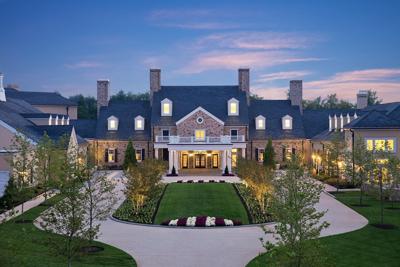

Photo Credit: The Salamander Resort
Sustainable travel is shaping how people plan their trips. About 83% of global travelers say it matters, and roughly 75% plan to travel in a greener way in the next year. About 81% are willing to adjust their behavior to reduce their environmental impact.
Travelers are thinking more about impact, and destinations are adjusting. Conservation, local sourcing, and lower-impact stays are now part of the experience.
Conservation has been part of Virginia’s approach to tourism for years, and today that shows up in destinations across the Commonwealth. From working farms to coastal restoration projects, a range of hotels, towns, and attractions are building sustainability into the guest experience rather than treating it as an add-on.
Goodstone Inn
At this Middleburg property, much of the food served is grown or produced on-site, including eggs, honey, and seasonal produce.
Breakfast, in particular, highlights that approach. Dishes are made to order using eggs from the inn’s own chicken coop, paired with locally sourced, seasonal ingredients.
The farm operates with long-term soil health in mind, using methods like crop rotation and planting native species that support pollinators.
Throughout the year, those ingredients also show up in special events, including a seasonal Mother’s Day brunch built around spring produce from the property, with dishes ranging from a farm-grown Caesar salad to strawberry shortcake.
Visitors can tour the farm to get a closer look at how it all works and where the ingredients come from.
The Tides Inn
Along the Chesapeake Bay, this waterfront resort has focused on restoring the environment just outside its doors. A multi-million-dollar project reshaped parts of the shoreline, adding natural elements such as wetlands and reef systems that help rebuild marine habitats.
Since the project began, the restored shoreline has turned what was once a sand-and-mud bottom into a more active ecosystem, with increases in fish, crabs, and even seahorses.
The resort plants about one million oysters each summer in partnership with Friends of the Rappahannock. Those oysters filter tens of millions of gallons of water daily, helping improve water clarity and support the health of the Chesapeake Bay.
Hands-on experiences like the Watermen’s Experience let guests get out on the water and work with oysters.
Salamander Middleburg
Set in Virginia’s horse and wine country, Salamander Middleburg was built with sustainability in mind from the start. The 168-room resort was constructed to LEED standards, and a large portion of its 340-acre property is protected through conservation easements.
About 80 acres are managed in partnership with the Potomac Conservancy, which helps maintain a network of nature trails across the property.
Sustainability also shapes the dining experience. Harriman's Grill, the resort’s signature restaurant, sources ingredients from its on-site culinary garden and local and regional producers, highlighting seasonal flavors from the surrounding area.
Mountain Lake Lodge
Set within 2,600 acres of protected Appalachian forest, Mountain Lake Lodge focuses on long-term conservation. The historic property works with the Mountain Lake Conservancy on habitat preservation, trail restoration, and watershed protection.
Those efforts help protect the broader Jefferson National Forest corridor, supporting plant and wildlife species that rely on the region’s ecosystem.
Guests can explore more than 22 miles of maintained hiking trails, with routes that wind through forests, meadows, and higher-elevation viewpoints. A dedicated Trail Center provides guidance on navigating the area while encouraging responsible use of the land.
Sustainable travel is becoming part of how many people approach their trips. Travelers are increasingly seeking destinations that balance accessibility with preservation, whether that means supporting local agriculture, protecting wildlife, or reducing environmental impact.
In Virginia, that shift is already visible, with destinations across the state incorporating conservation into the visitor experience.