














Daniel Hooper
By Sapphire Hope
More than 40 million people in the U.S. live with diabetes—and according to the Centers for Disease Control and Prevention—an estimated 11 million could be living with the disease, most of it type 2 diabetes, who are yet to be diagnosed.
Cases have reached a record high in the U.S., with about 1 in 8 people now living with diabetes—and experts have revealed the common symptoms of type 2 diabetes that often go ignored.
The condition occurs when a hormone called insulin does not work properly or there is not enough of it.
This causes blood sugar levels to become too high.
Ninety percent of people with the condition have type 2 diabetes—and around 6.9 million people are at an increased risk of the condition in the UK based on blood sugar levels.
There are multiple risk factors of the illness, including age, family history and ethnicity, as well as being overweight.
Diabetes UK says that increasing numbers of overweight or obese people in the UK—currently around 64.5 percent of adults in England—may be translating more cases of type 2.
And experts say people should not ignore these five very common and surprising symptoms.

(Photo by Pixabay via Pexels)
1. Dry feet
Dr. Mikel Daniels, chief medical officer at WeTreatFeet Podiatry, urges people not to ignore signs that your feet "feel different" as despite seeming small at first, they "escalate quickly".
He says: "I see a lot of type 2 diabetes patients who brush off the early warning signs.
"They seem small at first, but escalate quickly. Symptoms like numbness in the feet, burning, tingling, dry skin, slow-healing cuts, or even just "my feet feel different lately."
"All of these can be easy to ignore, but they matter."
He adds that changes in your feet can be the first clue that blood sugar is running high—a sign and nerves are starting to get damaged.
Dr. Daniels says that what worries him most is that people assume issues with their feet are from shoes or being on their feet for too long.
He urges people to "not ignore numbness, tingling, swelling, color changes, cracks in the skin, or wounds that are not healing. If the feet aren't feeling normal, that is reason enough to get checked."

(Photo by Wasin Pirom via Pexels)
2. Feeling tired and stressed
If you have type 2 diabetes, your cells can't take up the glucose from your bloodstream as effectively, which impacts energy production.
Dr. Jody-Ann McLean, from ThisIsMenopause, says: "You could feel more depleted or tired even after eating a meal.
"This is often put down to age or stress."
Similarly, Dr. Kyle Hoedebecke, a clinical advisor at Alpas Wellness, says another sign of type 2 diabetes that "may seem minor at first" is a "steady decline in the ability to carry out daily functions".
He says: "Someone may find that they can no longer walk as far as they once could, struggle with concentration, or become drowsy shortly after eating.

(Photo by Vitaly Gariev via Pexels)
3. Sexual dysfunction
Dr. McLean says: "In some cases, sexual dysfunction like erectile dysfunction, issues with ejaculation, or reduced genital sensation can happen because of damage to either blood vessels or nerves from the chronically high blood glucose levels."
She adds that these symptoms are "often gradual" and can be confused with changes that might be seen as a part of normal aging because they occur in a similar age group.
"There's often a societal view that declining sexual function is a normal part of aging, but in some cases there are treatable underlying metabolic factors like diabetes, so it's really important to rule out," she says.

(Photo by Ankit Rainloure via Pexels)
4. Aging
Skin changes associated with diabetes can often be mistaken for normal aging, as well as perimenopausal symptoms such as fat redistribution.
Dr. McLean says: "There's also a few symptoms or features that can be associated with chronically high insulin levels, including skin changes like acanthosis nigricans and skin tags and visceral fat accumulation around the abdomen.
"Insulin can be elevated for years before blood sugar levels actually rise so these symptoms might be early signs indicating a metabolic problem before any diabetes diagnosis.
"Skin changes often accompany aging, and they're often ignored if they're thought to be part of the aging process."
Many of these symptoms also overlap with symptoms of perimenopause, Dr. McLean says.
She adds: "The symptoms might be attributed to hormonal changes, so we need to ensure we're not missing symptoms that could be diabetes-related."

(Photo by Matheus Bertelli via Pexels)
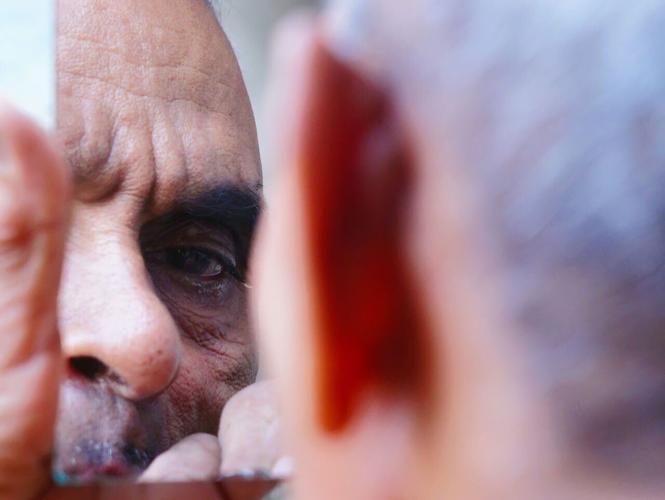
5. Blurry vision
Diabetes can also affect your eyes and there are a couple of changes that can happen because of either fluctuating blood sugar levels or long-term high blood sugar.
Dr. McLean says that "blurry vision can often be dismissed as just needing glasses."
She adds: "Temporary fluctuations in blood sugar can cause the lens of the eye to swell slightly, which can change the way it focuses light, leading to blurred vision.
"Persistently high blood sugar levels can lead to damage to the tiny blood vessels in the retina at the back of the eye.
"This condition is called diabetic retinopathy. Blurry vision is actually a fairly common symptom that people don't always connect to blood sugar levels.
"Patients sometimes think they might need some new glasses when it's actually from the effects of blood sugar levels."