


The recent death of a young black bear in Jefferson County has been well documented. It’s not the first and won’t be the last. Maybe it was nothing more than an unfortunate accident, but perhaps some different circumstances could have prevented the outcome.
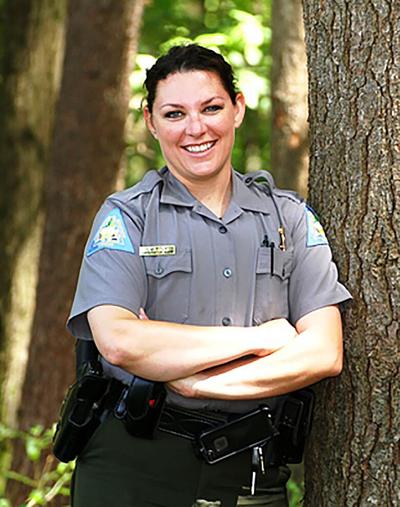
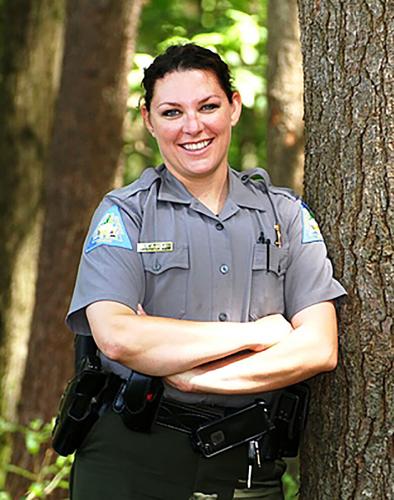
State conservation agent Cpl. Lexis Wilson was in her first year on patrol in Jefferson County when a bear was killed here in 2016. In that case, a resident illegally shot the animal. This year’s vehicle accident on I-55 did not involve any criminal activity but may have been avoided if the wanderer had headed to a more hospitable habitat sooner.
Wilson said she had been monitoring the movements of at least one bear in the county for several weeks. It had been documented in several locations and had been spotted as far north as Fenton and Arnold, before it turned south and met its ultimate fate near Herculaneum.
“We can’t say definitively, but based on its size and coloration, it is likely the same bear,” she said the day after the deadly crash. “He was small with a dark back and lighter sides. Black bear is the species, not the color. They can be black, brown or even cinnamon-colored.”
Black bear numbers are increasing in southern Missouri, with an estimate of more than 800 in a breeding population. They generally only visit Jefferson County in the late spring. Wilson said getting information about them is a two-way street. She wants to hear any reports of sightings and works to educate residents about the big critters.
“I’ve made these bears my mission,” she said. “Email, call or text anytime you have information to share. As long as it is not causing any trouble, we just want to know about it. If one gets into your trash one time and moves on, that is not a nuisance bear.”
It’s a reminder to avoid making your property attractive or providing bears a reason to stay longer than they should.
“They are like teenage boys. They are always looking for something else to eat. Take down your bird feeders and stop feeding squirrels or other critters. Store your pet food indoors, and beekeepers should install electric fencing,” Wilson said. “I tell people bears are like very large raccoons. Anything that smells like food is going to get their attention.”
Bears are territorial and juvenile male bears are looking for a new place to call home. They leave the comfort of the rustic Ozarks without a plan.
“We have a lot of water and some great patches of woods in Jefferson County,” Wilson said. “We also have a large population of people and lots of roads. These young bears are not used to all that traffic. This is not a good place for bears.”
One of several reported sightings of a young bear this spring showed the animal on the deck of a home. The picture also included what looked like scattered bits of dog food the young bruin was gobbling up. That easy access to a free meal was just the kind of thing that made it difficult for it to change direction.
It is illegal to feed deer in Jefferson County because of the potential for spreading disease, but deer feeders, “deer corn,” mineral blocks and other food-based attractants are easy to find in local stores and throughout the countryside. An exception allows feeding of deer within 100 feet of an occupied building, but the potential for disease transmission and attracting other animals ruins the idea.
The other misinformation Wilson said she works hard to dispel is the danger of the annual bear visits. They are not going to hurt people or pets.
“They are just bears being bears, looking for food and new homes,” she said. “They are docile by nature and want to avoid interaction with people.”
Based on reported sightings, the bear likely traveled north along the Big River corridor, made it to the Meramec River and, discouraged by the hustle and bustle, turned south with the Mississippi. Rock Creek or Glaize Creek may have directed him back inland.
“I was just hopeful that he was going to make it to the Mississippi River or one of the creeks and find his way back south,” Wilson said.
John Winkelman is marketing director for Liguori Publications near Barnhart and associate Editor for Outdoor Guide Magazine. If you have story ideas to share for the Leader outdoor news page, e-mail ogmjohnw@aol.com, and you can find more outdoor news and updates at johnjwink.com.