
The Jefferson R-7 School District doesn’t have any big improvement projects in the works right now, but district officials want to be ready when that time comes.
As part of that preparation, the district recently completed a habitat study to assess the impact to two species of threatened bats that nest on part of its property that could be used for future development.
Long-range plans for the district include improvements to three of its four buildings, adding a new entrance to the high school campus and relocating sports facilities. Another project being considered is the possible relocation of Plattin Primary, the oldest of the district’s buildings, from its current spot on Hwy. 61 to the Dooling Hollow campus complex.
However, Jefferson R-7 Superintendent Clint Johnston said the potential closure of the Ameren Rush Island plant from which the school district gets a significant portion of its tax revenue, the lingering effects of the pandemic and current economic conditions have put development plans on the back burner.
“But we have to look to the future,” he said. “With things like the changes that are coming to I-55, the Redbird project and the aging of our Plattin building on the horizon, we wanted to do what we can now to have everything in place when it’s time to make a move.”
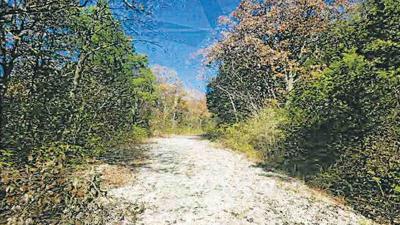
The district paid $3,500 to SCI Engineering in St. Charles for a site assessment survey on a 62-acre area just to the west of Jefferson High School. The study showed the site is home to both Indiana and northern long-eared bats, which are federally threatened, according to the U.S. Fish and Wildlife Service.
That finding means that any future development on that property would require consultation with environmental agencies to ensure it followed Endangered Species Act guidelines.
“ESA consultations can involve a public notice process, development of Habitat Conservation Plans, Biological Assessments, and the acquisition of an Incidental Take Permit or statement from the USFWS,” according to the Fish and Wildlife website. “Additionally, the USFWS may request further studies such as a presence/probable absence survey to determine if bats are present within the site and/or will be affected by potential future activities.”
The survey was a proactive move for the district.
“We did it just to be ready,” Johnston said. “(The 62-acre tract) is part of our long-term site plan. Any development there would have to begin with clearing the property, which is heavily wooded. And any timber removal needs attention to bats. When it comes time to put out a bid for tree removal, timber clearing, we’ve got to be ready.”