


Before seed oils took over professional kitchens in the 1990s, beef tallow was the fat that gave American diners and French bistros their flavor. Now, it is back, and Whole Foods Market’s Trends Council has named it the number one food trend for 2026. Chefs, it turns out, were already ahead of it.
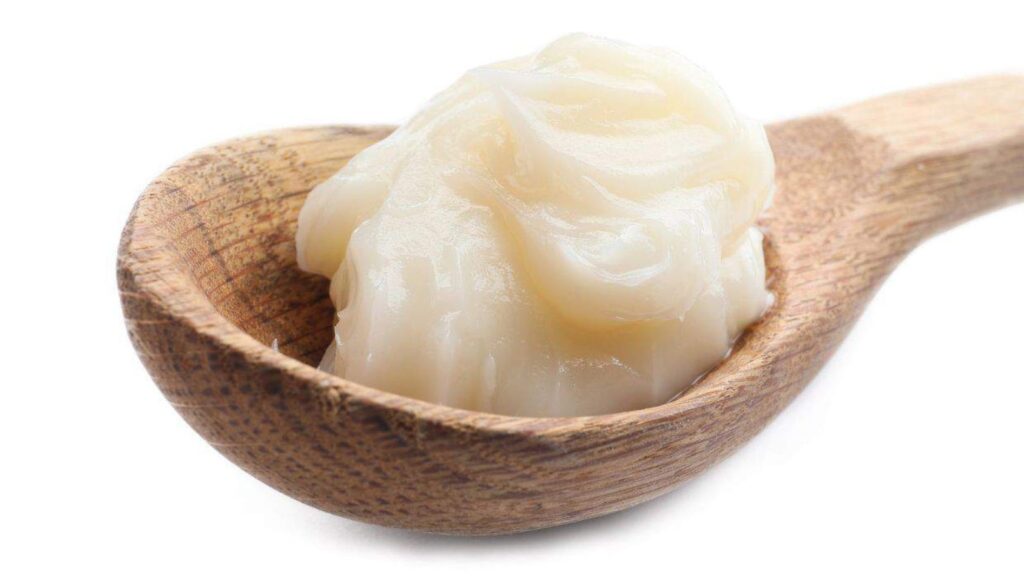
The return of tallow is not a niche wellness move or a nostalgia trip. It is a category that has crossed a threshold most food trends never reach. Sales of food products containing beef tallow hit $1.1 billion for the 52 weeks ending March 2026, a 275% increase over the same period three years prior. Major snack brands, including Utz and Conagra, have added tallow-cooked products to their lines this year. The fat that once got thrown away during processing is now a billion-dollar category.
Chefs were already there first
Long before the sales figures arrived, cooks were quietly putting tallow back to work in ways that had nothing to do with the fryer. At Rose Mary in Chicago, Illinois, for example, chef-owner Joe Flamm tops his tuna crudo with a shallot-beef fat vinaigrette and veal aioli. It is not a steakhouse leaning into beef for obvious reasons. It is an inventive kitchen using tallow the way a classically trained cook uses good butter, as a fat with enough personality to carry a dish on its own.
Across the country, kitchens from Italian trattorias to fine-casual spots reach for it in similar ways. They whip it with herbs for bread service, fold it into sauces and use it to finish proteins that never see a fryer.
The driving factor for most chefs is performance. Beef tallow withstands sustained high heat without breaking down, meaning cleaner oil, longer fry life and a deeper golden color on anything that hits it. Fries develop a richer aroma, and roasted vegetables pick up a savory note that neutral oils simply cannot deliver.
Biscuits and pie crusts baked with tallow come out flakier than butter alone can manage. “I switched a lot of my own cooking over to beef tallow years ago, long before it became a trend. The difference in fried and roasted foods is real. The texture holds up in a way seed oils just can’t replicate,” said Jessica Haggard of Primal Edge Health. “For anyone trying to eat more nutrient-dense, traditional foods, tallow has always made sense. It’s nice to see the rest of the food world catching up.”
The fry station is where the numbers show up
At the fast-casual level, tallow’s move into commercial kitchens is already happening at scale. Steak ‘n Shake committed all of its fryers to 100% beef tallow across all locations by early 2025. Utz launched a tallow-cooked version of its Boulder Canyon Classic Sea Salt chips, following its Grandma Utz Kettle-Style potato chips, which already featured the fat. Conagra uses beef tallow to double-cook its Rebel Roots crispy fries and prominently features the ingredient on packaging as a point of difference.
The consumer appetite is real and measurable. A March 2026 survey found that 52% of diners ages 18 to 34 say knowing whether a restaurant uses beef tallow or seed oils affects where they choose to eat. Among diners 55 and older, that figure drops to 33%. Cooking fat has become a front-of-house conversation.
The brands making it easy to cook at home
For home cooks, the accessibility story has changed significantly in the past 18 months. FOND Grass-Fed Tallow, whose CEO Alysa Seeland said she had been developing the product since 2019 with the concept of a flavored meat butter always in mind, expanded from direct-to-consumer into retail after demand pulled it into HEB, Sprouts and Albertsons before landing on Whole Foods shelves in fall 2025. Epic Provisions Beef Tallow and South Chicago Packing Wagyu Beef Tallow Cooking Spray round out a retail shelf that barely existed three years ago.
The nose-to-tail angle adds a dimension that pure performance cannot. Fat that was discarded during beef processing now commands a premium. For brands that source regeneratively and for restaurants that want to honor the whole animal, tallow converts what was once waste into a product worth featuring on the menu.
What diners actually choose
The preference data cuts against the assumption that seed oils remain the default. The same survey found that nearly 1 in 4 U.S. diners now prefer traditional animal fats, including butter and beef tallow, when eating out, compared with 15.6% who prefer seed or vegetable oils. That is a gap that the restaurant industry is only beginning to price into its decisions.
Whole Foods Market, one of the retail industry’s most-watched forecasting bodies, put tallow at the top of its 2026 trends list specifically for the forms it is taking beyond the fryer. Whipped, herb infused, smoked, folded into bearnaise, piped onto bread, the fat is finding new expression in kitchens that have no interest in nostalgia for its own sake.
Where the fat goes from here
A billion dollars in annual sales is a meaningful threshold, but the more telling indicator is what is happening on restaurant menus. Tallow has moved from the back of the fry station to the front of the plate. Chefs who once would have reached for butter as a finishing fat are reaching for tallow instead, and the results, in flavor, texture and depth, are giving them reason to keep going. The ancestral ingredient that seed oils nearly erased is now the one the food industry is studying to understand what it missed.
Mandy Applegate is the creator behind Splash of Taste and seven other high-profile food and travel blogs. She’s also the co-founder of Food Drink Life Inc., a unique and highly rewarding collaborative blogger project. Her articles appear frequently on major online news sites, and she always has her eyes open to spot the next big trend.
The post Whole Foods named beef tallow its top 2026 trend, and chefs are already way ahead of it appeared first on Food Drink Life.