




Photo by Mustafa MašetiÄ via Pexels
By Stephen Beech
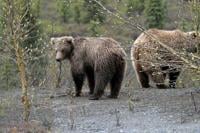
Brown bears have become less aggressive after regular interaction with humans over hundreds of years, according to new research.
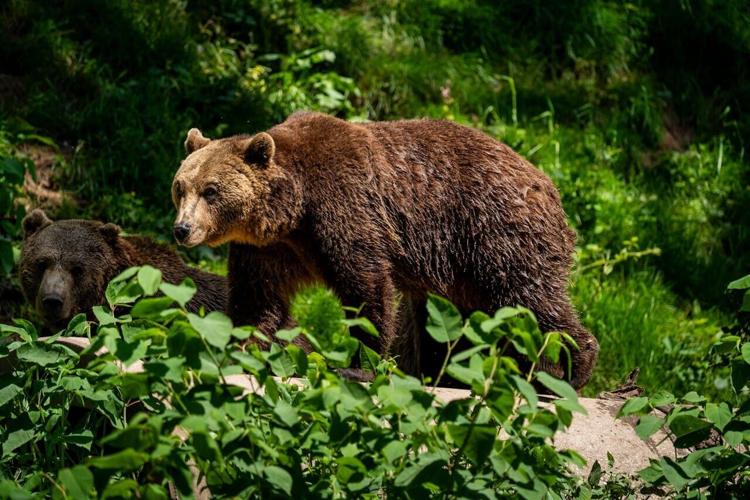
An isolated population of the mammals living in a region of Italy with many villages have evolved to become smaller and less hostile, say scientists.
Humans have long shaped the environments in which they live, hugely affecting ecosystems and biodiversity.
Previous research has shown that habitat change and overuse are among human activities with the greatest impacts on wildlife, often leading to population declines and influencing how a species evolves.
The Apennine brown bear (Ursus arctos marsicanus) is a small population found only in central Italy, with a long history of closeness to human communities.
Previous research indicates that the population diverged from other European brown bears 2,000 to 3,000 years ago and has remained completely isolated since Roman times.

Photo by Alexas Fotos via Pexels
Lead author of the new study, Dr. Andrea Benazzo, of the University of Ferrara, Italy, said: “One major cause of decline and isolation was probably forest clearance associated with the spread of agriculture and increasing human population density in central Italy.”
He says that, today, the Apennine brown bear population shows "significant" physical differences compared with other brown bear populations.
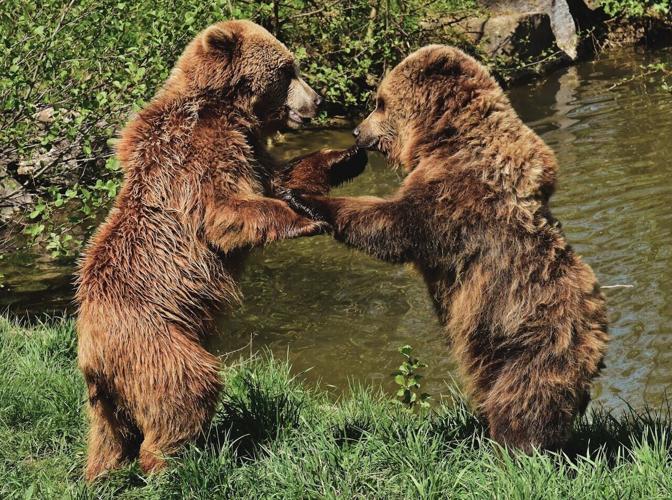
They have smaller bodies, unique head and facial features, and less aggressive behavior than European, North American, and Asian brown bear populations.
Researchers here focused on the recent evolutionary changes driven by human activities on the isolated and endangered bear population.
They generated a high-quality chromosome-level reference genome for the Apennine brown bear and re-sequenced whole genomes from a sample of individuals.
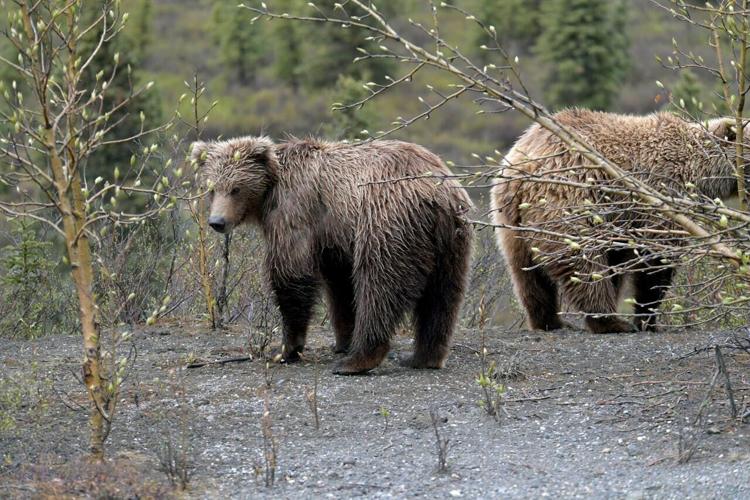
They were compared with genomes from a larger European population in Slovakia, as well as previously published genomes of American brown bears.
The researchers characterized genomic diversity and identified adaptation signals distinctive to the population.

Photo by Chen Te via Pexels
As expected, Apennine brown bears exhibited reduced genomic diversity and higher inbreeding compared to other brown bears.
Study co-author Dr. Giulia Fabbri, also of Ferrara University, said: “More interestingly, however, we showed that Apennine brown bears also possess selective signatures at genes associated with reduced aggressiveness.”
The findings, published in the journal Molecular Biology and Evolution, suggest that selection on behavior-related genetic variants, likely driven by the human removal of more aggressive bears, resulted in the emergence of a much less aggressive bear population.
The research team says their findings illustrate how human encroachment into natural areas led to demographic decline and genomic erosion, increasing extinction risk - yet unintentionally promoted the evolution of a less conflictual relationship between humans and bears.
Co-author Professor Giorgio Bertorelle, also of Ferrara University, said: “The general implications of our findings are clear: human-wildlife interactions are often dangerous for the survival of a species, but may also favor the evolution of traits that reduce conflict."
He added: "This means that even populations that have been heavily and negatively affected by human activities may harbor genetic variants that should not be diluted, for example, by restocking.”