

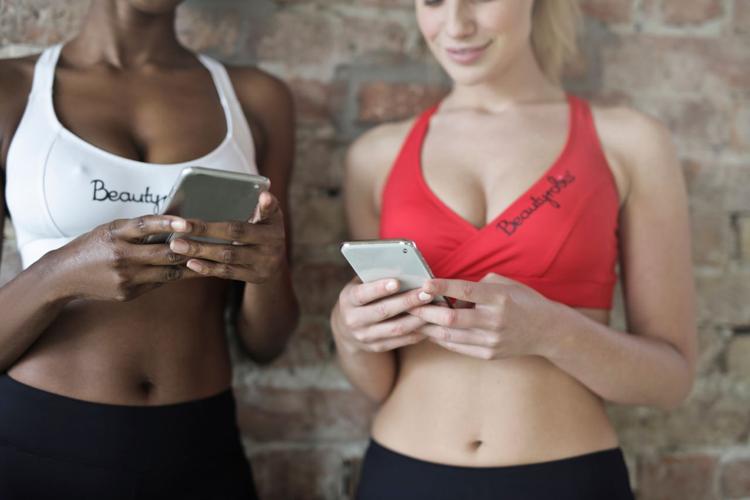


Photo by Andrea Piacquadio via Pexels
By Lauren Wilkin
Around 1 in 5 adults in the U.S. make decisions about their health based on content they have viewed on social media, a new survey has shown.
The U.S.-based Health Information National Trends survey found that a fifth of adults used social media platforms for health advice.
A general practitioner who was not part of the research team, Dr. Mohammad Bakhtiar, has described the findings as “concerning, but not surprising.”
Currently, around 1.5 million posts use the hashtag #healthtips on TikTok alone.
"Unlike traditional sources, social media operates through algorithmically curated, engagement-driven environments increasingly shaped by artificial intelligence-generated content often lacking editorial oversight," the research letter reporting on the survey says.
This means that health advice found online is not usually fact-checked or verified.
The research team analyzed the results of the survey from February and March 2026.
It included 7,278 respondents, representing 262 million U.S. adults.
Four types of health-related social media engagement was examined: sharing general or personal health content, participating in online communities, making health decisions based on information from social media, and perceptions of misinformation.

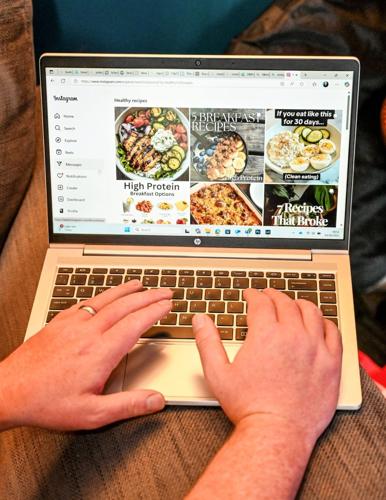
The Health Information National Trends survey found that a huge 84.8% of adults have shared personal or general health information on social media platforms, while 70% participated in online communities (Emma Trimble via SWNS)
It found that 84.8% of adults have shared personal or general health information on social media platforms, which is a huge number of people sharing potentially sensitive information.
70.2% of adults also participated in online communities that discuss health topics.
An average of 1 in 5 U.S. adults admitted making health decisions based on social media content.
"Social media is now one of the first places people go with a health question," Bakhtiar, clinic lead at Medical Express Clinic, a Harley Street health clinic, says.
"If 1 in 5 adults are making health decisions based on what they see there, that tells you how much influence these platforms hold."
Interestingly, the likelihood was higher among men (23.7%) than women (19%).
However, 77.7% of adults reported that they didn't trust social media as a health source.
The survey says that this suggests "exposure may influence behavior, even when reliability is questioned."
"Popularity isn't credibility, and misinformation travels fast," Bakhtiar says.
"There's genuinely useful information online, but the algorithms reward engagement, not accuracy, so the most sensational content often reaches the most people.

(SWNS)
"The person you're listening to may also have sponsorships or a vested interest in what they're telling you."
What's more, in 2025, a separate global survey by communications firm Edelman found that 38% of Gen Z rejected doctors' guidance in favor of information from social media.
"I've had patients delay seeking help because of something they read online, and others try unproven remedies that did nothing or made things worse," Bakhtiar says.
"Good medical advice is tailored to the individual in front of you. That's the one thing social media can't do."
The researchers behind the survey say that the findings show a need to regulate and enhance the accuracy of health content on social media platforms.
Bakhtiar says: "Treat social media as a prompt to learn, not a basis for decisions.
"If something you've seen worries you, or tempts you to try a new treatment, medication or supplement, run it past a qualified professional first.
"Check trusted sources too: the NHS, established medical charities, or registered clinicians posting under their real credentials."