


Free fishing days return this weekend in Missouri and many other states. For years, I have been advocating for those who love the sport to use the opportunity to invite someone who is not hooked enough to invest in a $12 per year permit.
I also like to suggest using the license-optional days to discover new water across state lines, avoiding the higher-priced non-resident license fees.
Illinois has many great places to go, and this year, the four-day free pass in the Land of Lincoln is over Father’s Day weekend (June 17-20).
For those without a guide to provide instruction, fishing can be a do-it-yourself project. While a simple pole, line, hook and bait can get the job done, a basic rod-and-reel combination can reveal a new world of possibilities.
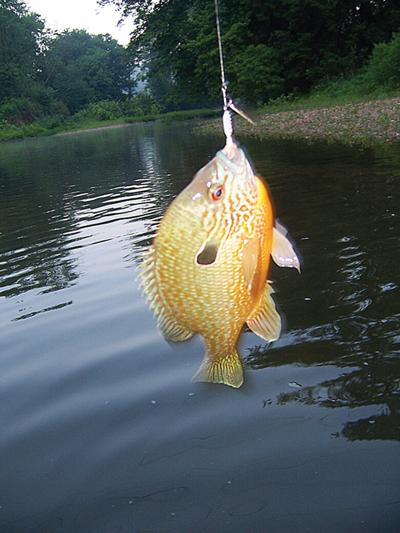
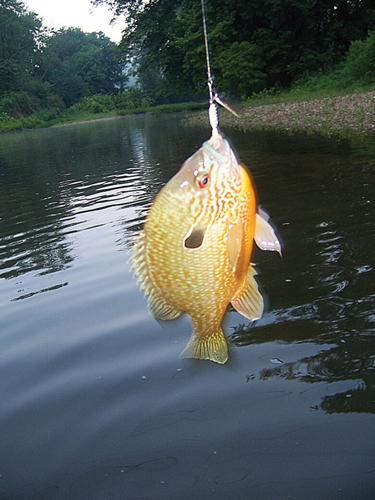
The first consideration is strength and style based on the size and type of fish you want to target. First tip: there are a lot more small fish than large fish. Even a tiny bluegill can provide a thrill on an ultralight reel. A push-button, spin-cast reel takes only minutes to master, and a few casts to manage accuracy.
I have owned many different combos over the years. The expensive and top-brand models are worth the money for durability and reliability, but even the cheapies get the job done. Many libraries even have combinations that can be checked out like books.
Most reels come pre-spooled with line that is probably 8- or 10-pound test monafilament. It’s a good standard for one-size fits all fishing, but unlike some other things, size does matter. Using the lightest weight line you can stand will pay off in more fish caught. You might lose a lunker to broken line, but your bait is going to appear more appealing if it’s not tethered to a string that looks like a rope under the water.
The next bit of necessary terminal tackle is the hook. In general, their sizes get smaller as their numbers get bigger. Huge hooks are not necessary to catch large fish. A good size for most fishing is a No. 6, which will fit in the mouth of a pretty small perch but is capable of holding a full-sized catfish or bass.
With the hook and line, naturally comes the sinker. Using a weight that slides freely on the line reduces resistance a fish might feel when picking up a bait. My best bit of advice for beginners is to use the smallest bobber possible as a strike indicator. While a big ball is easier to see on the water, detecting even the slightest movement is enhanced with an ultralight float.
The trickier parts of fishing come after the catch. Removing the hook from a slippery fish is a skill that takes some learning by trial and error. Those mistakes can result in painful pokes from spiny fish fins, or even worse, embedded hooks when the one that didn’t get away makes one last-ditch effort to escape.
Catch-and-release fishing provides the fun and action of angling without the mess of cleaning your quarry. If you plan to put back what you catch, then using artificial lures is a much better plan than bait fishing.
Rubber worms are probably the simplest and most effective fake food for fishing. They are available in sizes that range from short pieces of spaghetti to foot-long water snakes. I don’t believe fish see them as earthworms, but rather just something small enough to grab as it swims by, bouncing along the bottom or through shoreline weeds.
A lead-head jig hook with a small soft plastic or fluff and hair body is easy to use and effective at attracting strikes. They are one lure that will prove that bigger baits catch bigger fish, but I defer to my earlier point about smaller fish being much more abundant.
My other favorite suggestion is an in-line spinner. The Mepps Co. made them famous, but Worden’s Roostertail people made them perfect. I like to call them foolproof, because even an old fool like me can catch fish with a Roostertail. I have used off-brands and imitations, but this is one time I insist on the real McCoy.
Fishing can be fun with friends, and it’s free in Missouri on June 11 and 12.
John Winkelman is marketing director for Liguori Publications near Barnhart and associate editor for Outdoor Guide Magazine. If you have story ideas to share for the Leader outdoor news page, e-mail ogmjohnw@aol.com, and you can find more outdoor news and updates at johnjwink.com.