


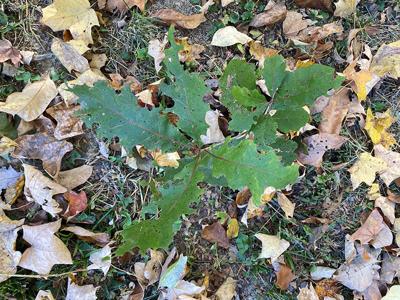
My backyard reforestation project is ready for its next step. I have written a few times this year about the new trees I planted in an area that I had previously expanded into part of my yard. The area never did grow much grass, so it was a perfect parcel to try to return to its woodland roots.
With 20 trees I ordered from the state Department of Conservation nursery and planted this spring, along with targeted mowing and mulching, the area is making progress. I also transplanted a few small trees I found growing in other spots in the yard, and identified volunteers in the area that had planted themselves.
My budding forest includes flowering dogwoods, wild plum trees, tiny oaks that sprouted where the squirrels had hidden acorns, a couple of small sycamores, two nice tulip poplars, a lot of little redbuds, plentiful pawpaw trees that have popped up on their own, and a small grove of persimmons that I’ve nurtured for a couple of years.
This past week I carefully trimmed around the trees in anticipation of the falling leaves that are about to cover my yard, coming from the surrounding woods and elsewhere in the neighborhood. Like most of my neighbors throughout suburbia, I’ve already spent hours raking, blowing and mulching all that falls from the treetops.
I plan to turn many, if not all, of the leaves into a carpet for my fledgling forest. According to the U.S. Department of Agriculture, the falling needles and leaves are important for the health of the trees that grow above them.
“They decompose and restock the soil with nutrients and make up part of the spongy humus layer of the forest floor that absorbs and holds rainfall,” states a story on the Forest Service webpage, fs.usda.gov. “Fallen leaves also become food for numerous soil organisms vital to the forest ecosystem.”
The “Science of Fall Colors” story suggests that the leaves on the ground each year are nearly as important to the health of the forest as the new green that sprouts each spring and absorbs sunlight all summer.
“This Fall, Leave the Leaves” is another story on the same webpage. Author Brooke Franklin reinforces the idea of the benefits provided by leaves that stay on the ground or return to the soil as mulch.
“Micro-organisms are the life of soil, and they need food and nutrients all the time. The more leaves left on your garden, the more feed for these micro-organisms that make soil healthier and plants grow stronger,” Franklin’s blog post states. “As the leaves decay, they add organic matter back into the soil, which lessens the need for fertilizer.”
More than just the trees benefit from those leaves. Small animals and reptiles use the ground cover as protection for the winter. Insect eggs that will hatch and grow in the ground cover next spring will feed returning birds.
The fall colors have been fantastic for the past few days, but those leaves have a new job going forward. Allowing at least some of them to stay on the ground where they fall, or in targeted areas, provides plenty of benefits.
I’m sure I’ll still use my mower, blower and rake more than I probably should for the front lawn, but the next step in the back calls for letting leaves lie.
John Winkelman has been writing about outdoors news and issues in Jefferson County for more than 30 years and is the Associate Editor for Outdoor Guide Magazine. If you have story ideas for the Leader outdoor news page, e-mail ogmjohnw@aol.com, and you can find more outdoor news and updates at johnjwink.com.