


Rising global temperatures break glaciers apart and force them to shrink at a pace the world can no longer ignore. On March 21, the United Nations commemorates World Day of Glaciers as the massive ice reserves that hold most of Earth’s freshwater continue to thin under sustained heat. What begins in remote mountain ranges and polar regions does not stay locked in ice; it reaches homes and coastlines, raising the stakes for daily life faster than most communities are prepared to handle.
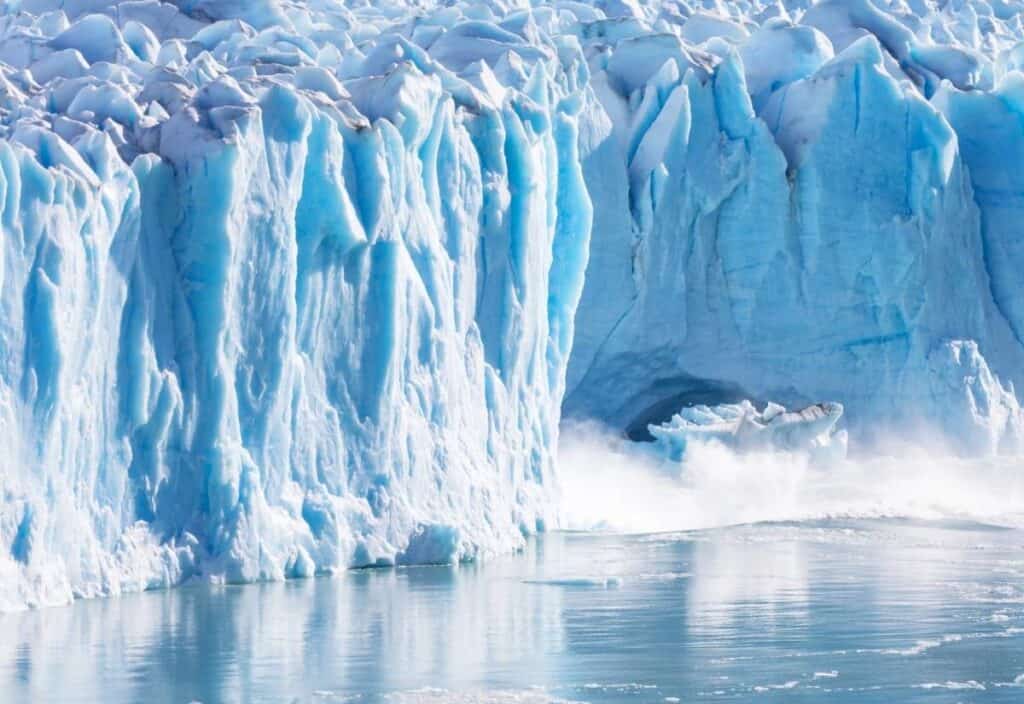
World Day of Glaciers brings attention to the wider chain reaction tied to freshwater supply and the systems that depend on it. When melt patterns alter ocean currents and coastal conditions, seafood harvests, processing jobs and local markets feel the strain, adding pressure to food access and regional economies already adjusting to environmental change.
Global response to shrinking glaciers
Rapid ice loss across the cryosphere, including glaciers, ice sheets, permafrost, sea ice and snow, has drawn growing attention to what is at stake for water supplies and coastal communities. These frozen systems store about 70% of Earth’s freshwater and move slowly across terrain as massive bodies of ice.
More than 2 billion people, roughly the combined populations of China and the United States, depend on glaciers and snowmelt as a critical source of freshwater. As glaciers shrink, the consequences reach water systems, ecosystems, infrastructure and long-term sea level patterns.
In light of these growing impacts, the United Nations designated March 21 as World Day of Glaciers. The observance aims to raise global awareness and encourage coordinated action to address glacier loss and protect critical freshwater resources.
Rising heat accelerates glacier loss
Glaciers have advanced and retreated throughout Earth’s history, but the current pace of decline stands apart from earlier cycles. Average global temperatures have risen over the past century, with polar regions warming faster than many other parts of the world. This uneven heating places added stress on ice sheets and mountain glaciers.
Human activity accounts for much of the recent acceleration in glacier retreat across polar and mountain regions. Since the Industrial Revolution, growth in industry, transportation and large-scale land clearing has increased carbon dioxide and other heat-trapping gases in the atmosphere. These gases trap heat near Earth’s surface and contribute to sustained warming across land and sea.
Oceans absorb a large share of that excess heat, and warmer seawater can wear away marine glaciers from below. This process appears especially evident near the poles and along Alaska’s coastline. As thinning ice weakens and retreats, scientists warn that many glaciers could vanish within decades if current temperature trends continue.
Ice loss affects global weather
Shrinking glaciers affect far more than distant ice fields. As large ice masses decline, major ocean circulation systems in the Atlantic can shift, which influences temperature and rainfall patterns across North America and Europe. Changes in these currents can alter regional weather in ways that reach well beyond polar areas.
Conditions in the upper atmosphere can also become less stable as polar regions warm. The high-altitude winds that steer storms may weaken or shift, increasing the chances of sharp cold outbreaks in some places and extended heat in others. Warmer seas can also add energy to storm systems, raising the risk of stronger winds and heavier precipitation along some coastlines.
In the Arctic, shrinking sea ice disrupts habitats that species, such as walrus and polar bears, depend on for feeding and rest. With less stable ice, animals often travel farther for food and move closer to coastal communities. These closer encounters can increase safety risks and strain local resources.
Coastal economies face pressure
Changes linked to glacier decline can also affect the food supply, particularly in coastal regions. With ocean circulation patterns shifting, marine habitats face added stress as water temperatures and nutrient flows change, influencing the health of fish populations and other sea life.
Fishing yields in regions such as the Gulf of Maine have varied in recent years as warmer waters and changing ocean conditions affect marine life patterns. Some fish now spawn at different times or travel along new routes, which makes harvest timing harder to predict.
Planning and investment also become more difficult for commercial fishing operations when fish movement grows less predictable, especially because boats, gear and permits often target specific species and seasons. When fish move or arrive at different times, businesses must adjust quickly or face losses.
Communities that rely on seafood production feel these changes most directly, since local jobs, processing facilities and related industries depend on steady catches. As climate-driven ocean changes continue to affect marine systems, the stability of coastal food economies remains a growing concern.
Shared stakes in glacier preservation
Glacier loss may appear to be a distant environmental problem, but it directly affects national stability and shared economic systems. Freshwater supplies, food production and infrastructure depend in part on reliable ice reserves, linking glacier preservation to long-term security and planning. Protecting these frozen sources is a global responsibility because water and climate systems cross borders and connect communities worldwide.
Zuzana Paar is the creator of Sustainable Life Ideas, a lifestyle blog dedicated to simple, intentional and eco-friendly living. With a global perspective shaped by years abroad, she shares everyday tips, thoughtful routines and creative ways to live more sustainably, without the overwhelm.
The post World Day of Glaciers urges action to save global freshwater supply appeared first on Food Drink Life.