

The latest developments in the Middle East war:
- All Iran could be 'taken out' -
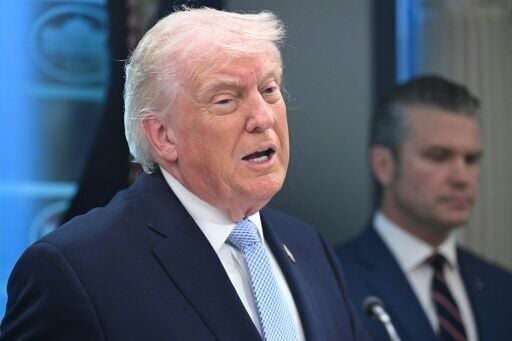
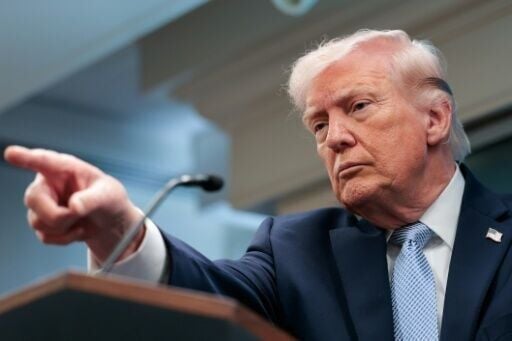
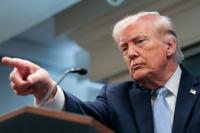
"The entire country could be taken out in one night and that night might be tomorrow night," US President Donald Trump told a news conference, referring to his ultimatum to Iran to reopen the Strait of Hormuz by 0000 GMT Wednesday or face strikes on its infrastructure.
"Eery power plant in Iran will be out of business, burning, exploding and never to be used again," he said, threatening the same for the country's bridges. "I mean complete demolition by 12 o'clock (0400 GMT Wednesday), and it'll happen over a period of four hours -- if we wanted to."
- US, Iran reject ceasefire -
Trump and Iran rejected a ceasefire bid from mediating countries, though the US leader called it a "significant proposal".
"It's a significant step. It's not good enough, but it's a very significant step," Trump told reporters in Washington before his news conference.
Iranian state media said the proposal contained 10 undisclosed points, but Tehran "has rejected a ceasefire and insists on the need for a definitive end to the conflict".
- ICRC warning -
International Committee of the Red Cross chief Mirjana Spoljaric warned that "deliberate threats... against essential civilian infrastructure and nuclear facilities must not become the new norm in warfare".
"Any war fought without limits is incompatible with the law," she said, without singling out any country or leader.
The US president, asked earlier about potentially committing war crimes by attacking civilian infrastructure, said "I'm not worried about it". He argued an Iran with "a nuclear weapon" would be worse.
- Tehran airports hit -
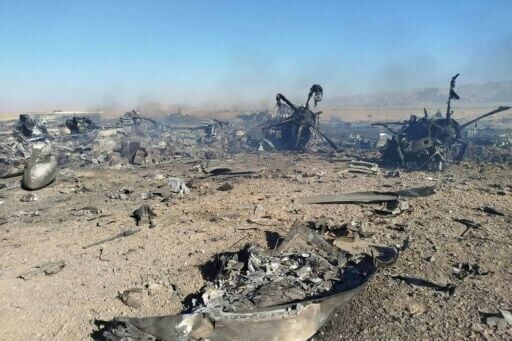
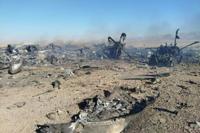
Israel's military said it had carried out strikes on three airports in Tehran, targeting several Iranian planes and helicopters.
It said the strikes were part of efforts aimed at "degrading the Iranian Air Force and the IRGC air force at airports in Tehran".
- Iran gas sites hit -
Israel said it had struck Iran's largest petrochemical complex, which services the South Pars natural gas field, the biggest natural gas reserve in the world.
Israeli Prime Minister Benjamin Netanyahu said the facility had been "destroyed" and his country was "systematically eliminating the Revolutionary Guards' money machine".
Strikes also hit another petrochemical complex near the Iranian city of Shiraz, local authorities said.
- IAEA warning -
The chief of the UN nuclear watchdog, the IAEA, said attacks near Iran's Bushehr atomic power plant "pose a very real danger to nuclear safety and must stop".
IAEA director general Rafael Grossi said one recent strike had hit just 75 metres (245 feet) from the Bushehr perimeter.
- Kurdistan blasts -
Two blasts were heard near Erbil airport, which hosts advisers from the US-led anti-jihadist coalition, in Iraq's northern Kurdistan region, an AFP journalist said.
Some hours earlier, air defence systems downed four missiles headed towards the US consulate in Erbil, a security source told AFP.
- Iran intel chief killed -
A dawn Israeli strike killed the intelligence chief of Iran's Revolutionary Guards, Major General Majid Khademi, Iran said.
The Guards threatened "a major retaliatory strike" in response.
- Houthis target Israel -
Yemen's Houthi rebels said they launched an attack targeting Israel alongside their backer Iran and Lebanon's Hezbollah.
- Israel hits Beirut -
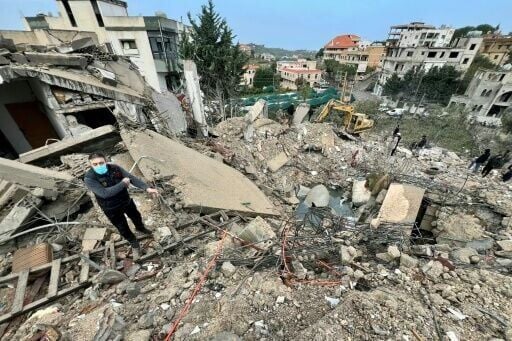
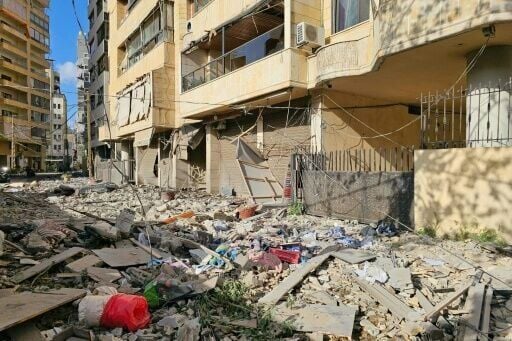
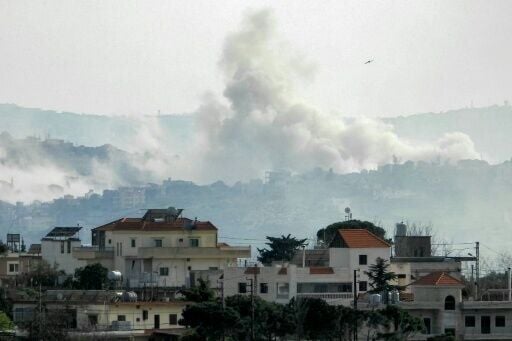
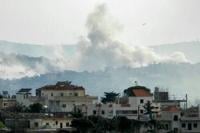
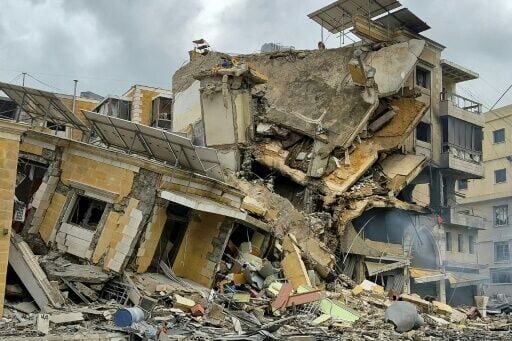
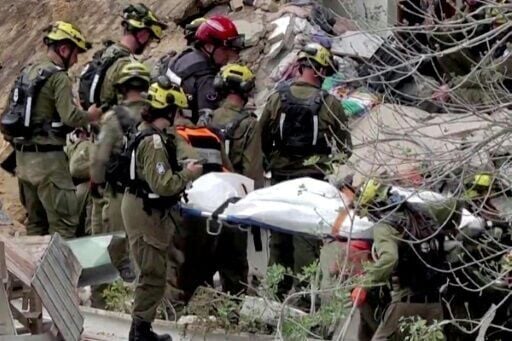
An Israeli strike hit Beirut's southern suburbs as Israel's army said it was targeting Hezbollah. Israeli strikes on Lebanon on Sunday killed at least 15 people and wounded 39, Lebanese officials said.
- Hormuz passage -
Turkey said a third Turkish-owned ship passed through the Strait of Hormuz, while Japanese firm Mitsui O.S.K. Lines said an Indian-flagged tanker owned by a subsidiary had also transited.
South Korea will send five ships to the Saudi Red Sea port of Yanbu to help establish alternative oil supply routes avoiding the Strait of Hormuz, a ruling MP said. Taiwan said it would also redirect ships to bring crude oil from Saudi Red Sea ports.
burs/rmb/sbk