

Photo by Diego F. Parra via Pexels
By Stephen Beech
Flesh-eating superworms could be used to clean skeletons for museum displays, according to new research.
The mealworm-like form of beetle larva, commonly used as pet food, is an ultra-efficient cleaner of skeletons, reveals the study.
Trials conducted by German and Iranian scientists found that superworm larvae are a "safe, practical" way for cleaning museum specimens.
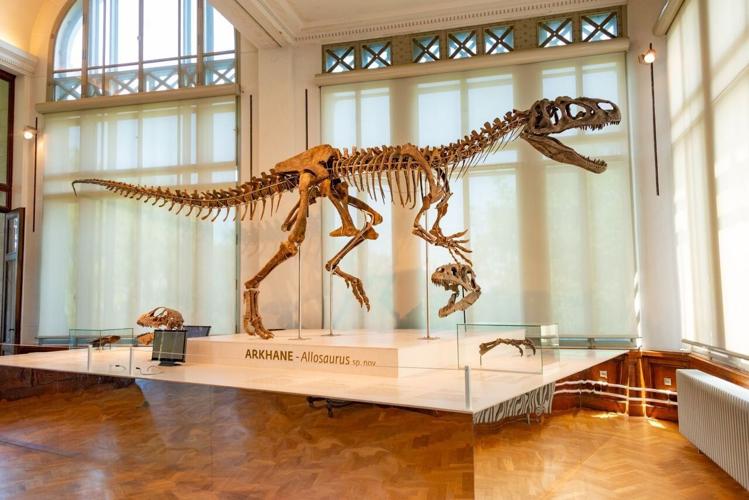
Clean animal skeletons are an invaluable resource for scientific research and education.
Several methods exist for cleaning skeletons, including burial, chemical treatments and the use of dermestid beetles.

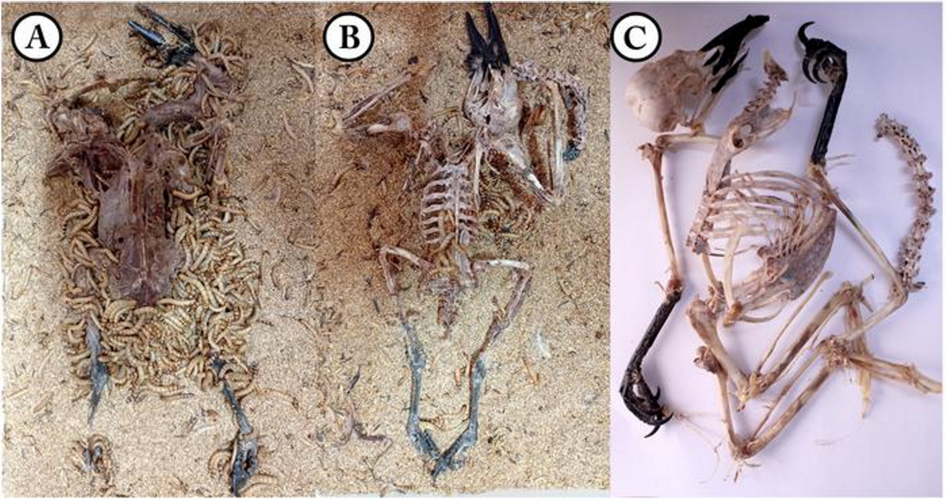
(Rastekar et al via SWNS)
But each current method has its own drawbacks, most notably the risk of damage to bones or the risk of hazardous materials harming people.
The research team investigated the use of “superworm” beetle larvae for cleaning skeletons.
They introduced varied numbers of superworms to eight enclosed animal specimens, up to the size of a 4.2-kilogram (9-pound) wolf.
Over a period of hours to days, the larvae efficiently removed the flesh from the skeletons, inside and out.
The researchers found that 10 to 15 grams of larva per gram of animal specimen minimized cleaning time while also avoiding damage to the bones.

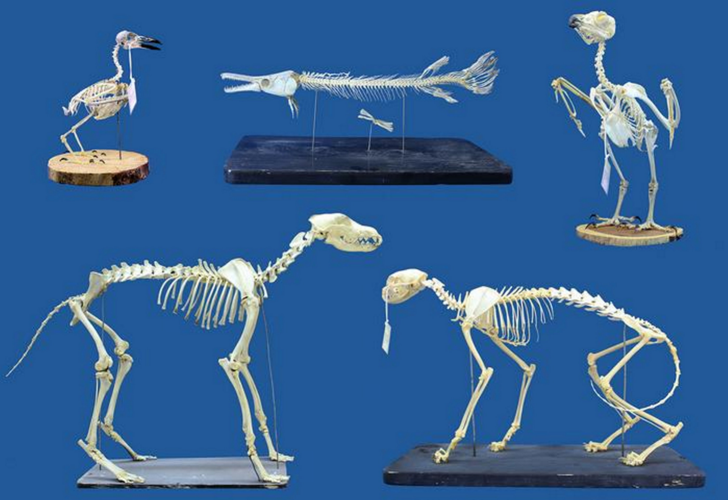
(Rastekar et al via SWNS)
The larvae were able to clean even delicate bird skulls with no skeletal damage, according to the findings published in the journal PLOS One.
The researchers suggest that superworms offer a "practical alternative" to existing skeletal cleaning methods.
Study co-author Fatemeh Rastekar, of the Ferdowsi University of Mashhad in Iran, said: "Maintaining superworms involves no hazardous materials, and since they don’t metamorphose in crowded conditions, there’s much less risk of adult outbreaks compared to dermestid beetles.
"Superworms are also readily available from commercial breeders who commonly sell them as food for pets and livestock."
Co-author Niloofar Alaei Kakhki, from the State Museum of Natural History in Stuttgart, Germany, said: "Our study shows that protein-rich superworms, a common pet food that is easy to maintain in colonies, can safely and efficiently clean skeletons for museum specimens."
She added: "Unlike traditional chemical methods or dermestid beetle colonies, this approach preserves delicate bones, is environmentally friendly, safer for museum collections by minimizing the risk of pest infestation and makes colony maintenance much easier for museums.”