


The day’s cocktail business is starting earlier as more Americans meet before nightfall to eat and drink. Brunch, happy hour and early dinner are pushing demand ahead of the dinner rush, prompting restaurants to rethink how they build and promote their drink menus.
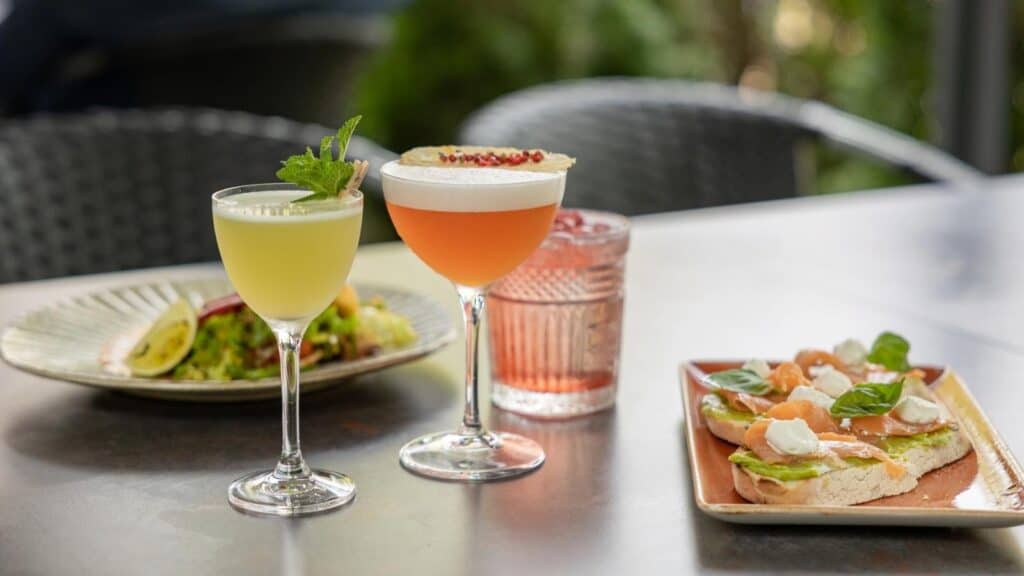
Earlier drink occasions are becoming important to the day’s beverage business. OpenTable found that 35% of Americans prioritize happy hour drinks and snacks when dining out in January 2026. The finding suggests that beverage sales are extending into the afternoon and early evening, rather than clustering around dinner and late-night service.
Earlier dining gives cocktails more room
Restaurants are seeing more of the dining day fill in before late evening. Toast found that 4 p.m. reservations rose 15%, while 9 p.m. and 10 p.m. bookings each dipped 1% and every reservation hour from 9 a.m. to 8 p.m. posted gains. The overall pattern points to more dining activity building earlier in the day.
Traditional dinner still does the most business, with 6 p.m. remaining the busiest reservation hour at nearly 30% of bookings, followed by 7 p.m. at 19% and 5 p.m. at 18%. The earlier pickup adds more room for daytime drink occasions without suggesting that late dining has lost its place.
Lighter cocktails suit daytime meals
Earlier drink occasions suit a public that is more careful about alcohol. In August 2025, 53% of Americans said drinking in moderation, just one or two drinks a day, is bad for one’s health, the first time a majority has held that view in the poll’s tracking.
Alcohol caution matters more during brunch and early dinners, when a drink usually accompanies food rather than driving the outing. Diners may still want cocktails, but earlier tables often move at a slower pace, giving mimosas, spritzes and other lighter drinks a natural place in daytime service.
Cocktails move beyond brunch hours
Daytime cocktails are no longer associated mainly with weekend brunch. Drinks now have a place in late-afternoon catch-ups, early dinners and weekday meetups that begin before the usual dinner peak. Familiar citrus-forward drinks, such as a lemon drop martini, also fit that earlier window because they feel social, recognizable and easy to order outside brunch service.
Weekend brunch still matters, but the drinking occasion now reaches farther into the week. Restaurants, therefore, have more reason to treat the hours between lunch and dinner as another time when classic cocktails like an old fashioned can add to the check.
Earlier dining reaches a wider crowd
Earlier dining now draws a broader mix of customers, and the occasion is no longer framed mainly around older diners or retirees eating on an early schedule. OpenTable said 58% of Americans expect dining out to serve as their social plans in January 2026, and that share rises to 77% among millennials, indicating a stronger interest from younger adults using restaurants for meetups that begin well before late evening.
Dining among parties of six or more rose 12% year over year in January, which gives restaurants more reason to treat earlier reservations as meetups for friends, coworkers and other groups working around tighter schedules. For beverage programs, that matters because daytime cocktails fit more naturally into afternoon and early evening service when those hours are increasingly used for larger group gatherings and earlier social plans.
Restaurants build around earlier demand
For operators, the business case lies in how restaurants plan hours before prime dinner, rather than in any single menu item. OpenTable reported a 13% year-over-year increase in 4 p.m. dining in January 2025, giving restaurants more reason to treat the pre-dinner period as a meaningful sales window instead of a lull between lunch and dinner.
Earlier traffic can affect staffing, happy hour programming and the kinds of cocktails that remain in regular rotation, because restaurants now have a stronger reason to plan beverage sales before the evening peak instead of waiting for dinner to do all the work. Early dining may not replace the core dinner rush, but it does give operators another opportunity to lift checks before the busiest hours.
Cocktails move into earlier hours
Earlier drink occasions are no longer a small part of restaurant traffic. They fit a dining day that now starts social plans sooner and gives brunch, happy hour and early dinner more weight. For restaurants, the message is hard to miss: the cocktail business now begins earlier, and the operators who plan for it stand to make more of the day.
Zuzana Paar is the visionary behind five inspiring websites: Amazing Travel Life, Low Carb No Carb, Best Clean Eating, Tiny Batch Cooking and Sustainable Life Ideas. As a content creator, recipe developer, blogger and photographer, Zuzana shares her diverse skills through breathtaking travel adventures, healthy recipes and eco-friendly living tips. Her work inspires readers to live their best, healthiest and most sustainable lives.
The post Daytime cocktails gain popularity as brunch and early dining evolve appeared first on Food Drink Life.