





A photo of a male forest elephant captured near the site where some of the gunshot recordings were taken. (Anahita Verahrami via SWNS)
By Stephen Beech
Wildlife poachers are to be targeted using state of the art AI listening technology.
A network of microphones has been deployed across the rainforests of central Africa to detect gunshots from illegal poaching of elephants and other animals.
Technological advancements have enabled webs of acoustic sensors to be deployed in Gabon, Congo and Cameroon, creating the possibility of real-time alerts to the sounds of gun-based poaching.
But the belly of the rainforest is loud, and scientists say sorting through a constant influx of sound data is computationally demanding.
Detectors can distinguish a loud bang from the whistles, chirps, and rasps of birds and bugs.
But they often confuse the sounds of branches cracking, trees falling, or water dripping with gunshot noises, resulting in a high percentage of false positives for gunshot detectors.
Now a new model has been developed that filters and verifies signals from the microphones to reduce "false positives" for gunshot detectors.

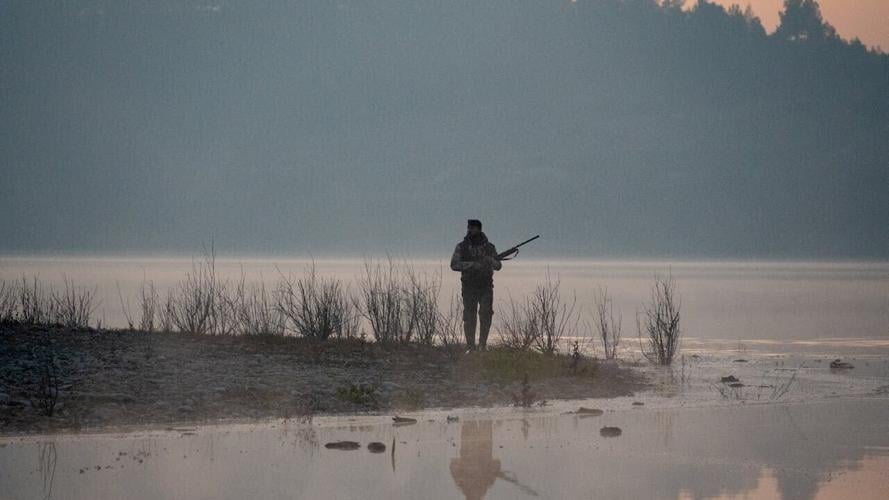
(Photo by izzet çakallı via Pexels)
Project leader Naveen Dhar aimed to develop a lightweight gunshot detection neural network that can accompany sensors and process signals in real-time to minimize false positives.
He worked alongside colleagues at the K. Lisa Yang Centre for Conservation Bioacoustics at Cornell University, New York, in the United States and the Elephant Listening Project in central Africa.
Dhar explained that the model works with autonomous recording units (ARUs), which are power-efficient microphones that capture continuous, long-term soundscapes.
He said: "The proposed system utilizes a web of ARUs deployed across the forest, each performing real-time detection, with a central hub that handles more complex processing."
An initial scan filters all audio for “gunshot likely” signals and sends them to the ARU’s microprocessor, where the lightweight gunshot detection model lives.
If confirmed as a gunshot by the microprocessor, the ARU passes the information to the central hub, initiating data collection from other devices in the web.

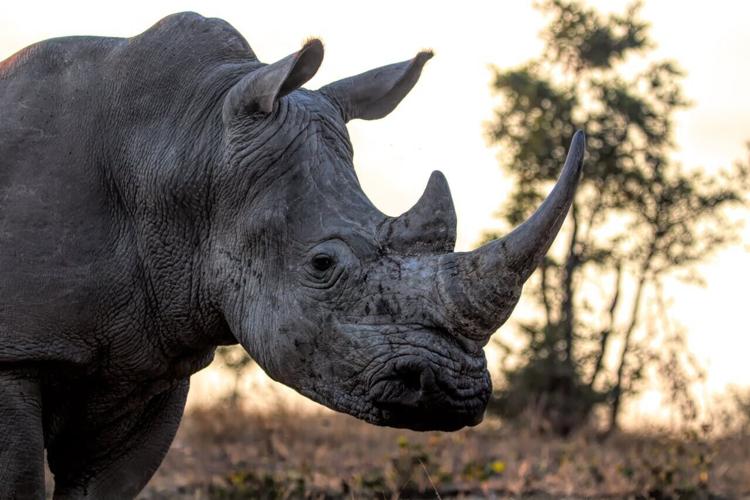
(Photo by Elliot Connor via Pexels)
By determining if other sensors also hear a “gunshot likely” noise, the central hub then decides whether the event was a true gunshot or a potential false positive.
If it determines a true positive, the central hub collates audio files from each sensor, allowing it to pinpoint the location of the gunshot and alert rangers on the ground with coordinates for immediate poaching intervention.
Dhar said: “Down the road, the device can be used as a tool for rangers and conservation managers, providing accurate and verifiable alerts for on-the-ground intervention along with low-latency data on the spatiotemporal trends of poachers."
He plans to expand the model to detect the type of gun that fires each gunshot and other human activities, such as chainsaws or trucks, before field-testing the system, which is currently under development.
Dhar added: “I hope the device can coalesce with Internet of Things infrastructure innovations and cost reduction of materials to produce a low-cost, open-source framework for real-time detection usable in any part of the globe."
He is due to present his findings at a joint meeting of the Acoustical Society of America and Acoustical Society of Japan in Honolulu, Hawaii.