
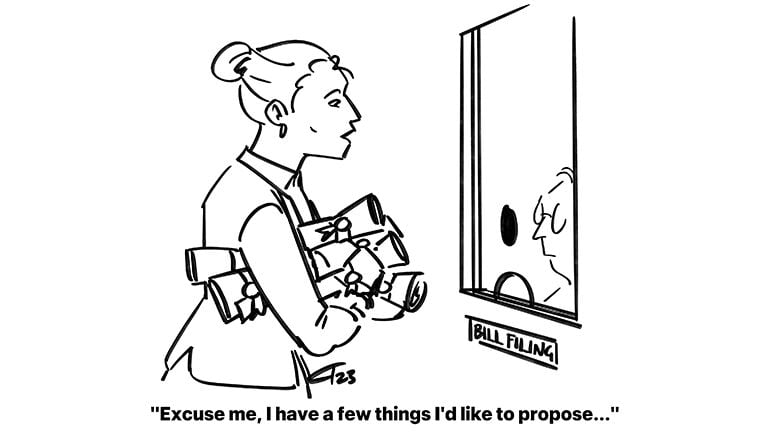
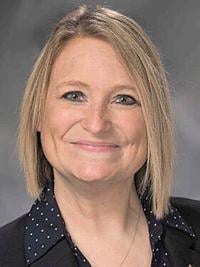
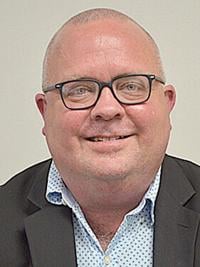
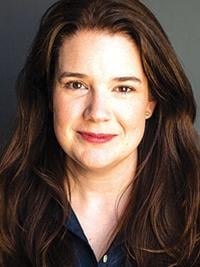
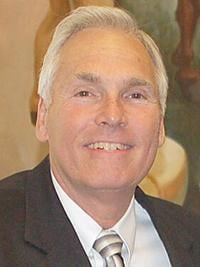
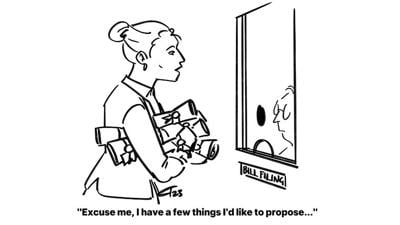
The Leader wanted to give our local state senators and state representatives a chance to let our readers know what they worked on and how they voted on some important issues last session and what they plan to focus on during the upcoming session.
Surveys were sent to state Sens. Ben Brown, Mary Elizabeth Coleman, Elaine Freeman Gannon and Andrew Koenig and state Reps. Phil Amato, Gary Bonacker, Cyndi Buchheit-Courtway, David Casteel, Holly Jones, Renee Reuter, Justin Sparks and Ken Waller.
Casteel, Koenig and Sparks did not return the surveys.
Here are the answers from the state legislators who responded.
How did you vote on the property tax freeze for seniors (SB 190)? What changes, if any, need to be made during the coming session?

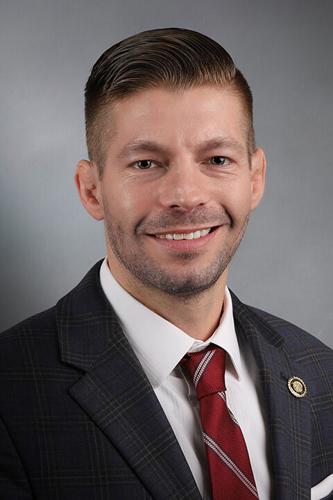
Ben Brown, Washington
Ben Brown: I can’t begin to tell you how many people I spoke to while running for office expressed concerns over rising property taxes. Some seniors even feared eventually losing their homes over the tax burden. Last year, I sponsored legislation to freeze property tax assessments for seniors. After it passed, some county government officials expressed concerns over its implementation. I have been in contact with these officials in my district and am willing to work with them to promote policies that give our seniors the stability they need to stay in their homes while also ensuring our communities stay strong.
Mary Elizabeth Coleman: I strongly supported passage of SB 190 that provides tax relief to seniors. This legislation empowers Missouri counties to grant property tax credits to eligible seniors. Unfortunately, due to inaction by the Jefferson County Council, our seniors are being excluded from this tax relief. The County Council has the authority to get this done, and while councilmen Charlie Groeteke, Bob Tullock, and Gene Barbagallo have supported tax relief for seniors, others are not taking action.
Elaine Freeman Gannon: I voted in favor of the property tax freeze for seniors, and I do not think any changes are necessary.
Phil Amato: I voted in favor of both the property tax freeze for seniors and eliminating state income taxes on Social Security. House leadership left the bill wide open and a little ambiguous, so all of the 114 counties could develop something that made sense for their areas. St. Charles, the City of St. Louis and County all have passed it and Jefferson County is considering something for 2024. The bill did exactly as the intent, because all of our surrounding counties have now passed the tax freeze on seniors, and they all look a little different.
Gary Bonacker: I voted affirmative. This bill needs to be more specific. I also believe the entity getting frozen should have the right to participate, just like you wouldn’t want your boss to cut your pay without your permission or even knowledge.
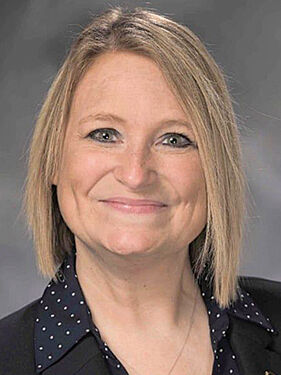
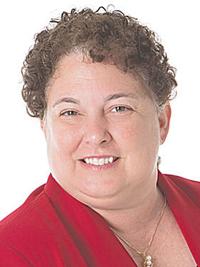
Cyndi Buchheit-Courtway, Festus
Cyndi Buchheit-Courtway: I voted for the property tax freeze, as I feel that this would be good for the residents of Missouri who have paid taxes for so many years already to get a small break. There are some changes that we can hopefully make when we get back in session. Currently, there is some confusion on what all taxes would freeze for the seniors. We need to get clarification.
Holly Jones: I voted yea. I am fully in support of freezing property tax for seniors and keeping them in their homes.
Renee Reuter: I voted for this on multiple occasions, and I also introduced and sponsored HJR 51, which proposed a constitutional amendment that would have called for a property tax freeze. I will not pursue this further, because SB190 should sufficiently resolve the issue for residents in my district.
Ken Waller: I did support that bill. I think it’s time we gave back to our seniors who have had to carry the financial load, some for 40 or maybe 50 years. Freezing property taxes doesn’t mean taxing entities will be hurt. They’ll still receive the same amount, but their projections will be affected. Will changes be made? I have talked to leadership, and they have assured me that they will add provisions to make sure that there are no unintended consequences from this bill. I’ve been told that will be a priority.
Did you sponsor any bills in 2023? If so, did they pass?
Brown: I sponsored 16 bills last year, including SB 167, that extended a pandemic-era policy to simplify and expedite the medical certification process for professional truck drivers to obtain their commercial driver’s license. That became law.
Two of my other bills came close to crossing the finish line. SB 411 would have permitted homeschooled students to participate in their school district’s extracurricular activities and SB 88 would have allowed experienced, qualified professionals from other states to obtain a temporary license to work in Missouri. I have already filed these two bills for the 2024 legislative session.
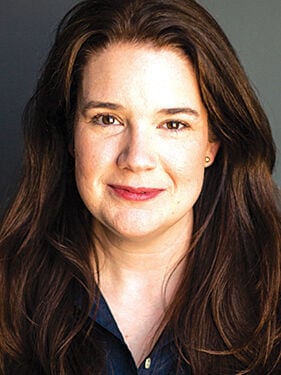
Mary Elizabeth Coleman, Arnold
Coleman: I championed a change to Missouri’s assistance programs promoting self-sufficiency and financial stability. My welfare reform initiative was added to SB 45, which was signed into law. This simplifies the process to apply for and verify eligibility to receive state benefits. It also implements a benefit transition that, as a worker’s income rises, creates a pathway to independence through incremental decreases in benefits. I also passed the only single-subject standalone bill to pass, SB 227, that clarified homicide statutes to help a local family get justice after the murder of their brother and son.
Gannon: I am proud to have been the lead sponsor of SB 45, which made several changes to improve health care access across the state and also included transitional benefits for those who are moving from welfare to the workforce. I was also co-sponsor of the Missouri Safe Adolescents from Experimentation Act, which protects children from gender transition procedures. Both bills passed.
Phil Amato: I sponsored four bills:
- HB 653 modified the cap for food pantry donations.
- HB 654 authorized a tax credit for donating to nonprofit hospital foundations.
Both passed the House and were in SB 92 that didn’t come up for Senate vote.
- HB 1068 was a safety matching grant to keep intruders out of school buildings. It did not get a House vote before the session concluded.
- HB 1174 would have modified payments to families of first responders killed in the line of duty. It was eliminated in a House-Senate conference committee.
Bonacker: No. I just wanted to get a feel for the process and the inner workings of the House before I filed a bill.
Buchheit-Courtway: I sponsored 15 bills. Two passed as amendments and were signed into law, one that will provide safety during operating procedures that require laser technology by reducing toxins. The other requires the Department of Family Services to search for and notify grandparents before children are taken out of parental custody.
I also sponsored bills that would have cut personal property taxes on vehicles over 10 years old, prohibit mandating of vaccines or medicines that are not fully FDA approved, implement mental health awareness strategies to students beginning in fifth grade and reinstate the presidential preference primary election.
Jones: I filed HB 1169 on informed consent. This bill required the labeling of any food containing mRNA or other gene therapies to be disclosed to consumers. I also filed HB 1130 in regard to COVID-19 mandates. This bill gave the power to the people and did not allow for vaccine or mask mandates.
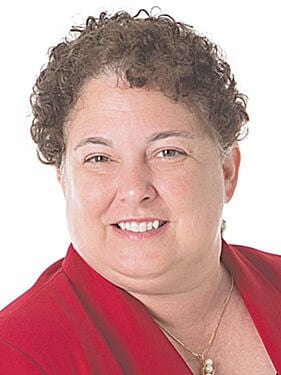
Renee Reuter, Imperial
Reuter: I co-sponsored HB 882, requiring the Missouri Department of Transportation to pay all fees and costs associated with road and bridge memorial sign designations honoring deceased veterans, deceased law enforcement officers or VFW posts. Previously, families of deceased veterans and law enforcement officers were required to pay for these signs, which cost up to $11,000. Requiring families of fallen heroes to pay was appalling, adding insult to injury. As the parent of two active members of the military and a veteran spouse, I’m pleased the bill passed.
Waller: No. I co-sponsored a number of bills, including insurance and workforce development legislation. I made a commitment when I was elected to my first term that I would spend time getting to learn things, to understand the process. Knowing that the chance of anyone getting a bill out of committee is about 20 percent, it made more sense to me to know how the system works.
Have you pre-filed any bills for this session? If so, describe.
Brown: I have filed 18 bills for 2024, including:
- SB 818, to remove unauthorized emergency orders that interfere with a business’s ability to succeed. We will never let local governments abuse their power like they did during the COVID-19 pandemic.
- SJR 78. We must take steps to preserve the integrity of our elections. Since I strongly oppose ranked choice voting and believe it is a confusing and ineffective way to conduct elections, I filed legislation to prohibit this rigged system in Missouri.
- SB 819. Two education bills that are similar to what I sponsored last year will permit home schooled students to participate in their public school district’s extracurricular activities
Coleman: In the upcoming legislative session, one of the most pressing issues I will be focused on is strengthening stand-your-ground measures and ensuring right-to-carry protections on public transportation. Gun-free zones put law-abiding citizens in danger since a criminal by definition does not care about laws.
Gannon: I have pre-filed legislation that would:
- Exempt homeless youths from fees for obtaining a driver’s license or ID card.
- Require school districts to ensure staff are trained in the use of automated external defibrillators.
- Extend the filing period for certain local elections.
- Require an additional round of prenatal testing at 28 weeks.
Amato: I have pre-filed six bills:
- HB 1730 on food pantry tax credit donations.
- HB 1731 to authorizing a tax credit for donating to nonprofit hospital foundations like Mercy or BJC.
- HB 1732 that modifies payments to families of first responders killed in the line of duty.
- HB 1733 to prohibit implied contracts on internet searches relating to referrals of assisted living facilities.
- HB 1988 that modifies funding to military organizations for military honor burials.
- HB 2093 that provides matching construction grants for schools to keep local money in the classroom.
I also plan to file a bill to allow a crime prevention matching grant.
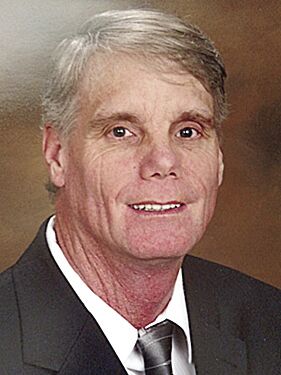
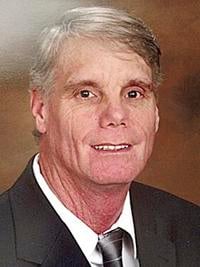
Gary Bonacker, House Springs
Bonacker: No. I have two bills that will be filed after we go back. One is to help the Jefferson County Sewer District to take over a water district that is willing to be taken over. This is a good bill because it would use an established system to consolidate and improve while usually resulting in lower operation costs. The other is to restore the filing period for school board filing dates to still be open after the Christmas break so school administration doesn’t have to have someone working during their break.
Buchheit-Courtway: I have pre-filed 11 bills, and I am reviewing additional ones. I will continue working on legislation that I have filed in prior sessions. Some of the new legislation I am sponsoring is as follows:
- HB 1827 will give Missouri-based businesses preferences and protections on the list of vendors to use for state contracts.
- Another bill I am finalizing will add protections against unauthorized private information being published on the internet.
- HB 1524 will help aid safety for our highway workers.
- HB 1582 will increase fees that courts can assess for damages caused by minors to public property. This has not been changed since 1990.
Jones: I have three bills I will be filing. I do not believe in filing many bills as the role of our government should not be to increase the number of laws. I will refile the two bills from last session as well as a third regarding the labeling of vaccinated blood in hospitals.
Reuter: Yes, I am working on legislation to establish a construction fund and court fees to collect funds for a new Jefferson County courthouse project and legislation that creates equal treatment of all state residents with respect to emission testing requirements for vehicle registration. I’ve pre-filed four bills:
- HB 1744 moves the filing location for school board candidates of some districts to the county election authority.
- HB 1860 adds provisions to summer camps that currently apply to childcare providers.
- HB 1859 allows chief law enforcement executives to request assistance from other jurisdictions.
- HB 1858 allows officials and candidates to use campaign funds for childcare costs while campaigning or performing official duties if the provider is not a member of the parent’s household.
Waller: I have not pre-filed any bills, mainly for the reasons I gave answering the previous question. I’ve been told that 2,000 bills have been pre-filed. That means maybe 10 percent make it to the House floor. And freshmen don’t have that kind of success rate. I’ll look over the bills that have been filed, and I plan to co-sponsor more bills this year, maybe 15 or 20. That doesn’t mean that I won’t sponsor any bills this year, though.
Should Missouri have a presidential primary in 2024? How did you vote on this issue in 2023?
Brown: Before I was elected in 2022, the Legislature decided to save millions of dollars by eliminating a non-binding presidential preference primary. Missouri has always held a caucus every four years, and it’s been the caucus that has always determined who would receive the votes for each party’s presidential nomination. If we are going to hold a primary rather than a caucus, it should be in a way that voters determine who will be the nominee and the delegates for each respective party.
Coleman: Missouri should have a presidential primary in 2024 instead of a caucus. Jefferson Countians should have their voices heard.
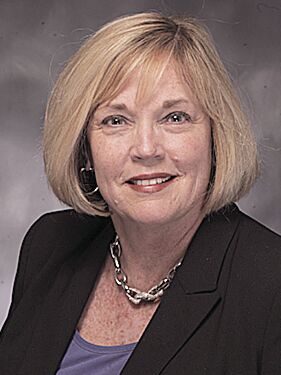
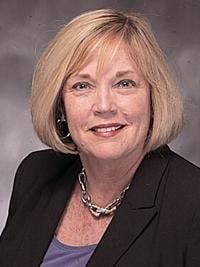
Elaine Freeman Gannon, De Soto
Gannon: The issue of a presidential primary is not something that the Senate had a chance to vote on as a stand-alone measure in 2023, and I would have to see the bill in 2024 to determine how I will vote on it. Whether we have a caucus or a primary, our legislative priority should be to ensure that Missouri voters know their voice is being heard.
Amato: Yes, I believe Missouri should have a presidential primary so additional people would feel more comfortable in participating. The bill was sponsored by Jefferson County’s own representative, Cyndi Buchheit-Courtway. I believe all six of us from Jefferson County voted in favor, but unfortunately the bill did not pass the Senate last year. She did an outstanding job of trying to persuade our colleagues into favoring a presidential primary, but unfortunately time ran out before even a compromise bill could be worked out.
Bonacker: Absolutely, Missouri should have a primary in 2024. I voted along with the caucus on that one. We vote with the idea that it is our choice to vote for whom we want to. We can want to vote for a party. We can want to vote for a candidate. We turn in a secret ballot. Voting is a personal choice, one that should be free of rules and regulations other than basics.
Buchheit-Courtway: Absolutely. I filed a bill last session and worked very hard to fix this problem caused during the prior year’s session, when the Senate pulled it out of a bill during the last week. We passed it through the House last year, but it didn’t make it through the Senate. I feel this is unfair to all Missourians, as we have taken their right to vote away from them. More than 1.5 million Missourians voted in the 2016 presidential primary and approximately 1 million in the 2020 cycle. I have filed legislation again to reinstate the presidential preference primary.
Jones: I believe we should have a presidential primary.
Reuter: I voted yes, as requested by a number of my constituents.
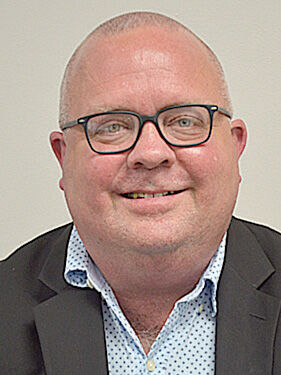
Ken Waller, Herculaneum
Waller: I did vote for having a presidential preference primary, so people can have their voices be heard. Yes, it’s not a perfect system, but it’s better than the caucus system. Even if we did reinstate it, the earliest it would be held is 2028. And turnout, which is 30 to 35 percent, is better than in April, so I believe that people want a primary. To my mind, I don’t want to take away any chance for people to have their say if we don’t have to.
What is the most important issue in the Legislature this year that will affect Jefferson County (or Wildwood or Eureka) directly?
Brown: I represent not only Eureka in St. Louis County but also Franklin, Warren, Osage and Gasconade counties. This gives me the perspective to understand the issues that face the suburban, rural and urban parts of our state. As a small business owner, promoting commerce and spurring the local economy is a top priority, but I am also concerned about the increase in crime in the St. Louis region. I will continue to support common-sense legislation to reduce violent crime, ensure every child has access to quality education, protect our liberties, lower taxes and support pro-growth policies.
Coleman: Lowering the tax burden is a leading issue for Jefferson County and our region. With sales taxes approaching 11 percent in the main shopping districts of Arnold, people are looking outside the county for major purchases, which hurts working people, especially our working poor. One of the ways we can reduce taxes for families is by eliminating the sales tax on groceries by passing SB 1062.
Gannon: Lower budget revenue means we will have to make cuts to the budget during the coming year. My top priority will be to ensure these cuts are focused on wasteful programs rather than core funding that this region relies on.
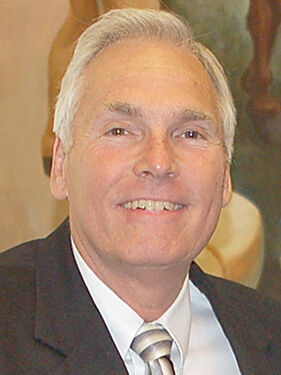
Phil Amato, Arnold
Amato: Besides transportation needs, education is the biggest single item in our state budget, and will be an enormous issue this session. My idea of construction grants for roofs, HVAC systems and windows is a start to restructuring school funding, but more ideas are needed. Another issue affecting everyone is foreign ownership of Missouri farm ground. Missouri is second in the country of family-owned farms, and we never want foreign ownership to control our food supply. Stealing catalytic converters is a big problem, and I am co-sponsoring a bill that makes stealing one a felony.
Bonacker: My best answer here is the push to change public education. Open enrollment will change the landscape for our county because we are such a bedroom community for the St. Louis region. The less mobile segment of our county won’t have the same advantages as others with the means to get out of their districts. Missouri is already an open enrollment state, so those who have a need to go to another school district can.
Buchheit-Courtway: A couple of items need to be addressed. We need to push for the senior property tax freeze to be fixed. We need to fight for continued financial support for our port, infrastructure and economic development projects, such as the I-55 expansion and Herculaneum port. I have worked with the House budget chair and Senate budget staff for these vital funds and as the chair of the Transportation Infrastructure Committee, I will continue fighting for these items, along with I-70 and I-44 improvements. The presidential preference primary also is a huge issue that we need to pass.
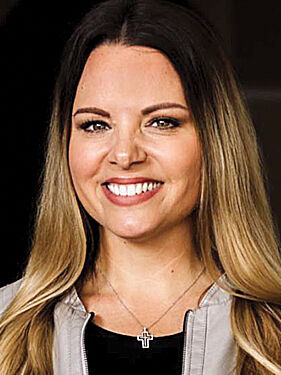
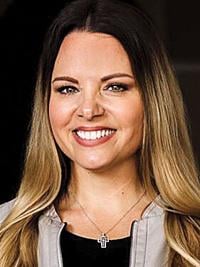
Holly Jones, Eureka
Jones: We need to make sure we have safeguards in place for the next state of emergency the government intends to impose on us. We need to protect our constitutional rights in this state against governmental overreach.
Reuter: If I can successfully pass legislation to create and fund a new courthouse project for Jefferson County, this will be the most important issue to impact Jefferson County directly.
Waller: If we’re talking about action that will directly affect Jefferson County, they are budgetary issues, helping fund port projects along the river, and doing anything we can to help bring the James Hardie project to Crystal City. And those two things are related, to some extent. I’d say the I-55 widening, but that’s already been funded. I’d also like to see if we can get any funding for an Amtrak stop in De Soto, which would help not only the city but the surrounding area as well.