
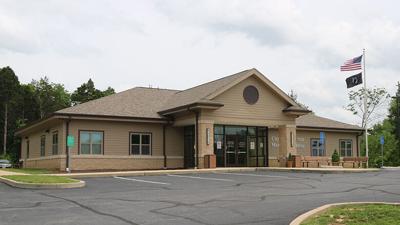
Byrnes Mill officials will ask voters in April to approve a city use tax that would allow the city to charge its current 2.5 percent sales tax on internet purchases, just like the tax is charged at brick-and-mortar businesses.
The Board of Alderpersons voted 5-0 Dec. 20 to place the measure on the April 2 ballot. Ward 2 Alderperson Cindy Davies was absent from the meeting.
A simple majority vote is required for passage.
If voters approve the use tax the city would collect sales tax from businesses that are not located in the city but sell and deliver products there.
“We will be putting a formal campaign together to explain to all our citizens what this is and how their revenues would be used if (the tax were passed),” Mayor Rob Kiczenski said. “We’ll have some live meetings about this for anybody who wants to listen in and ask questions about it.
“During the election, by the library, we will certainly be up there to inform everyone what this is and request their support.”
Byrnes Mill previously asked voters to approve a use tax in 2018, 2022 and most recently in April 2023, but it failed each time.
“In the past, when we’ve had it on the ballot, it’s been very close,” Kiczenski said. “We feel there is support for it out there.”
According to the ordinance authorizing the issue to be placed on the ballot, Byrnes Mill senior citizens are unfairly burdened by the city sales tax because they don’t buy products online as frequently as younger residents.
“The use tax would bridge an ever-increasing digital divide between Byrnes Mill senior citizens who may still prefer to shop at traditional, local retailers, shouldering more of the tax burden while younger Byrnes Mill citizens who may be more internet-savvy may not be paying any local sales tax at all,” the ordinance says. “The use tax levels the playing field for residents so all equally share in the consumption tax burden that was previously approved by city residents.”
Kiczenski said because the city’s aldermanic board seats will be up for election in April, there will be no additional cost for the city to place the use tax on the ballot.
If approved, revenue from the use tax would be used for a city employee retirement benefit plan, he said.
Kiczenski said the additional revenue would allow the city to join the Missouri Local Government Employees Retirement System pension program and set up employees with a better retirement plan.
“This is essentially for the retirement savings for our employees,” Kiczenski said. “Right now, there’s not much they get. Most people, with their companies, get a nice 401(k) program the companies match.”
According to the ordinance, the official ballot language will read, “Shall the City of Byrnes Mill impose a local use tax at the same rate as the total local sales tax rate, provided that if the local sales tax rate is reduced or raised by voter approval, the local use tax rate shall also be reduced or raised by the same action?”
Kiczenski said a citizen action group will be formed, which will share information about the proposition, adding that the group likely will hold a meeting in January.
The use tax, or internet sales tax, is commonly referred to as the “Wayfair” tax, a term that originates from a 2018 U.S. Supreme Court case, South Dakota vs. Wayfair Inc., that overturned a ruling preventing states from taxing vendors who don’t have a physical presence in that state.
Missouri residents already are obligated to pay state sales taxes on internet sales, but not all vendors collect it. Missouri residents who buy more than $2,000 in untaxed goods and services are supposed to report that on their state income tax returns.
A Missouri state law went into effect last January requiring businesses out of state to pay Missouri sales taxes if they had more than $100,000 in revenue during the previous calendar year. However, that new law applies only to state sales tax.
Counties, cities and other entities that collect sales taxes must ask their voters to approve a use tax equal to their sales tax rates on internet purchases and other out-of-state sales to receive that revenue.
Other cities in Jefferson County, as well as the county itself, previously placed the issue on the ballot, and it has failed in most jurisdictions. Currently, Kimmswick and Crystal City are the only two cities in Jefferson County that have received approval from voters to charge their sales tax on online purchases.