

Photo Credit: 5PH / Shutterstock
Alcohol consumption in the United States has shifted noticeably in recent years, with a growing share of adults choosing to drink less—or not at all. Public health experts point to a combination of factors driving this trend, including increased awareness of alcohol’s health risks, the expansion of cannabis legalization, and changes in social habits as more young people connect online rather than in person. Shifting cultural norms, a broader focus on wellness, and evolving alcohol beverage labeling requirements have also played a role in reshaping drinking behaviors and consumer choices across the country.
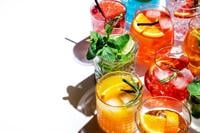
At the same time, the market for alcohol alternatives has expanded rapidly. Internet searches for products such as non-alcoholic beer, zero-proof cocktails, and other alcohol-free beverages have surged, reflecting both consumer curiosity and growing retail availability. Beverage companies have responded by rolling out new product lines and catering to consumers who want the taste and social experience of drinking without the intoxicating effects.
This report, conducted by the PLM and regulatory compliance software company Trace One, uses data from the Substance Abuse and Mental Health Services Administration (SAMHSA) to examine national-level trends in alcohol use and Google search data to track the rapid rise in online interest for alcohol alternatives. It then compares current alcohol use rates across states and examines how those rates have changed over time.
As featured on
Trace One just released new data showing Americans are continuing to drink less alcohol, wit…