
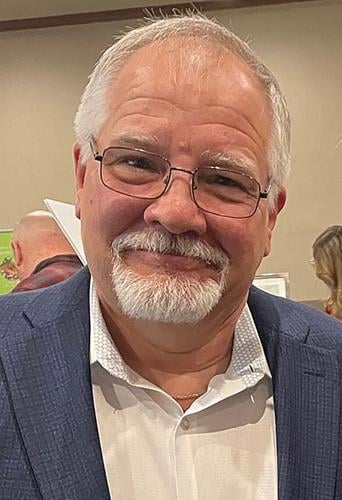
For decades I have written about Share the Harvest in Missouri and how the program offers benefits beyond the contribution to local food pantries. What I haven’t ever done is donate any deer meat to the cause myself.
I’ve had the good fortune to accumulate equipment and experience over the years to do all of my own deer butchering. For obvious reasons, venison donated through Share the Harvest must come from processors that have been inspected and approved. John Winkelman’s garage does not meet the qualifications, but John’s Butcher Shoppe in Festus has participated in the program since its inception.
Officially, Share the Harvest started in 1992 when the state Department of Conservation ran with an idea hatched by a group of archery deer hunters in the Columbia area. State records indicate that 3,200 pounds of venison was donated in that first year. For the 2023-24 hunting season, the statewide total was more than 123 tons. In its 30-plus year history, the program has provided five million pounds of lean red meat to people in need.
Originally hunters were responsible for covering the cost of butcher’s fees, and they still foot the bill if they want to leave a couple of pounds of their processed deer for donation. Those who choose to contribute the entire deer pay nothing thanks to cooperative partners, including the conservation department, Conservation Federation of Missouri, and Operation Food Search in the St. Louis area.
The availability of extra antlerless-only hunting permits allows hunters to harvest more deer than they possibly could eat. In Jefferson County, up to four of those bonus permits are available to firearms hunters for $7.50 each, and archers can buy an unlimited number of antlerless deer permits for the same price.
That minimal investment can mean months of meals for people in need. Families who receive the high-protein packages from area food pantries are the biggest beneficiaries of the program, but it also helps the state manage deer populations, and it enables hunters to burnish a collective reputation that sometimes gets unfairly sullied.
When Share the Harvest was introduced, retired Jefferson County conservation agent Steve Lenz liked to call it a win-win-win proposition. The conservation federation still uses that line regarding the positive effects for the hunters, processors, charitable organizations and the conservation department.
Deer harvested in chronic wasting disease management zone counties like Jefferson must be tested prior to the donation. John’s Butcher Shoppe in Festus is a one-stop spot for both procedures. John’s back dock was where I realized I should take advantage of the opportunity.
Owner Tom Kolisch had just removed the lymph nodes from the first deer I took during archery season this year. Feeling a little cocky and knowing I had additional permits available, I told him I hoped to see him again soon with more to test.
“Bring in as many as you can,” Tom said. “You can donate them to Share the Harvest for no charge.”
Usually I’m satisfied with getting enough deer meat to make my own summer sausage, bratwursts and burgers. Adding the opportunity to help others to the thrill of the hunt makes it even more exciting.
Hunters who had success during the opening weekend of the season still have many more chances to help manage the state’s deer herd, contribute to CWD testing efforts, and through Share the Harvest, help feed some of their neighbors.
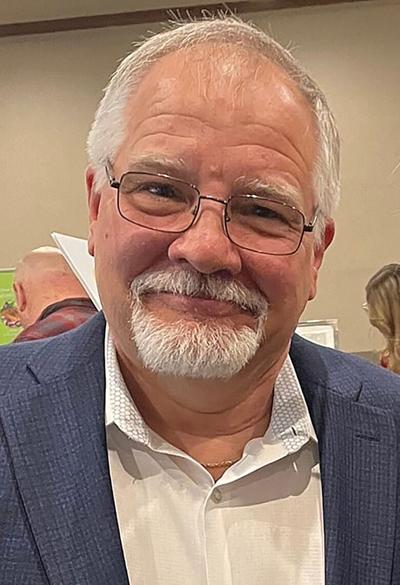
John Winkelman has been writing about outdoors news and issues in Jefferson County for more than 30 years and was the Associate Editor for Outdoor Guide Magazine. If you have story ideas for the Leader outdoor news page, e-mail ogmjohnw@aol.com, and you can find more outdoor news and updates at johnjwink.com.