


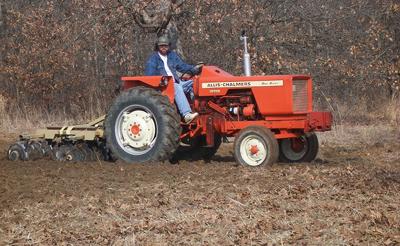
A sweltering summer day seems like a splendid time to consider the forecast for the first frost of fall. That date is an important consideration for those planning on planting a food plot of forage for deer and other animals this autumn.
Because Missouri is about 300 miles from top to bottom, the average first frost date fluctuates by almost a month between the Iowa border and the bottom of the Bootheel. Early October freeze outs are expected in Schuyler and Scotland counties buffeted by the winds of the Hawkeye State. Conversely, it’s no surprise to stay warm enough until November in Oregon or Ozark counties adjacent to Arkansas.
The National Deer Association recommends planting fall food plots about six to eight weeks before the predicted first frost to allow adequate growing time. Depending on the location of your deer hunting honey hole, that planting could take place any time from today through mid-September. The NDA also highly recommends planning that planting ahead of ample expected rain.
Picking a location for food plot planting should consider an area that gets plenty of sunshine but also can stay moist without being chronically wet. After selecting the site, most guides suggest a soil test to determine the ground’s need for fertilizer or lime.
The next important consideration is what to plant, and the simplest suggestion is to not try to do too much, according to an article titled “A Beginner’s Guide to Deer Food Plots” at deerassociation.com.
“Hunters have a tendency to want to take the kitchen sink approach to food plots, choosing a mix with lots of different seed types,” Brian Grossman wrote in the Aug. 7, 2024, article. “This is one area you’re better off to keep things simple. Having a bunch of different food plot species mixed together creates issues.”
A separate article on the NDA website recommends a seed mix that includes two species of clover mixed with wheat. It attributes the suggested mix to Craig Harper, a professor at University of Tennessee.
“These three species complement each other nicely, with the wheat and crimson clover germinating rather quickly, offering about 25% crude protein through the fall and winter months. Then, when the crimson clover starts to die off in early spring, the arrowleaf clover begins to flourish, extending nutrition over a longer window of time.”
Wheat is suggested over oats or rye because it is cold-hardy, relatively drought-resistant, and tolerant of multiple soil types. The two types of clover are “reseeding annuals” meaning that if allowed to flower, they will replant themselves for years to come. Overseeding the clover with wheat the following fall should bring back seed heads for fall and winter forage.
The National Deer Association is a tremendous resource for all things deer hunting, and its articles include links for additional information on planning and planting food plots. If in-person presentations or opportunities to ask questions are your preference, two programs are available this month.
Fall Food Plots Question and Answer Session is scheduled from 6 to 7:30 p.m. at the Jay Henges Shooting Range and Outdoor Education Center at Antire Road and Interstate 44 in Eureka. Representatives from Valley Park Elevator and Hardware Store will be available to discuss topics like how, when, and what to plant for the most effective fall food plots. The event is free, but advanced online registration is required at http://short.mdc.mo.gov/ocm.
The other option is a Zoom webinar at 6 p.m. Tuesday, Aug. 25, featuring the state Department of Conservation and the National Deer Association. It is the third and final Deer Management Assistance Program of the year presented by the two organizations.
Wildlife Food Plots in Missouri will focus on establishing and managing effective food plots for deer and other wildlife, and how hunters and landowners can incorporate food plots into their deer management plans this fall. The program will include a presentation followed by participants’ questions.
Other webinars in the series are available through YouTube and date back to 2023. Topics from earlier this year include a deer management overview and Hunting for Venison. Topics from past presentations include prescribed burning, wildflower and woodland management, chronic wasting disease, hemorrhagic disease, and invasive plant species. Fourteen DMAP recordings are currently available at mdc.mo.gov.
John Winkelman has been writing about outdoors news and issues in Jefferson County for more than 35 years and was the Associate Editor for Outdoor Guide Magazine. If you have story ideas for the Leader outdoor news page, e-mail ogmjohnw@aol.com, and you can find more outdoor news and updates at johnjwink.com.