



(Photo by Antonius Ferret via Pexels)
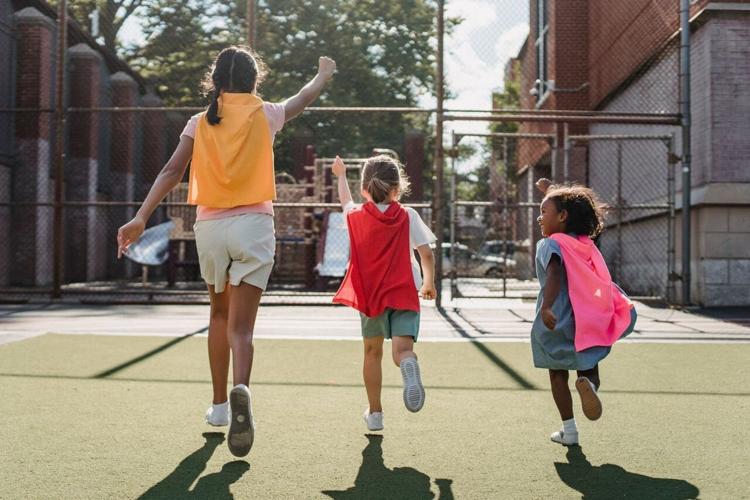
Mom, Dad, Spider-Man, Rumi the KPop Demon Hunter, Michael Jordan and Sonic the Hedgehog are some of today’s kids’ biggest heroes, according to new research.
A survey of 2,000 parents of children ages 4 to 12 aimed to uncover who the next generation is looking up to and how the definition of a “hero” has evolved in the 21st Century.
According to the results, those in kids’ everyday lives rank as the top types of people they look up to: parents (71%), teachers (40%), siblings (37%), extended family members (33%) and even friends (31%).
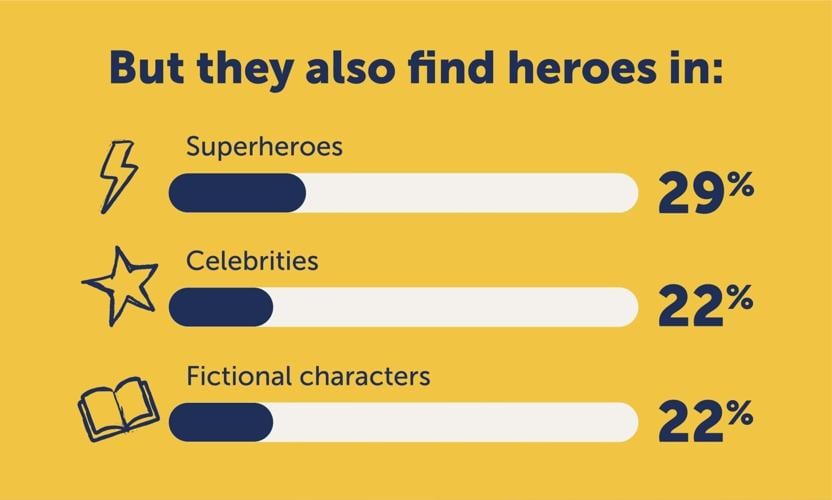
Fictional superheroes (29%), celebrities (22%) and fictional characters (22%) still remain popular, though less prominent.
When asked specifically who their child’s “hero” is, many said a variation of mom, dad, grandma or grandpa.
Others idolize athletes such as Michael Jordan and LeBron James, whereas others look up to celebrities like John Cena and Michael Jackson.
A slew of superheroes were popular, such as Spider-Man, Batman, Superman and the Black Panther, as were other characters like Rumi from the KPop Demon Hunters, Sonic the Hedgehog and Bluey.
But kids aren’t selecting their heroes because of their super speed or flawless ways. Traits like bravery (38%), strength (37%), kindness (37%) and honesty (31%) outrank superficial heroic traits like moral righteousness (16%) or being a risk-taker (13%).
Conducted on behalf of the Kiddie Academy brand by Talker Research, results revealed that parents most often define a “hero” as someone who goes out of their way to help others (58%).
Other parents say that a hero is someone who puts others before themselves (53%) or who has a strong moral compass and sticks to it (48%).

(Talker Research)
Interestingly, almost three-quarters of parents polled (74%) say their definition of a “hero” has evolved as they’ve gotten older and 38% even have a different hero today than they did when they were a child.
Still, more than half (56%) say their childhood hero influenced their career path as an adult.
More than that, their hero also helped parents embody certain heroic traits as an adult, such as, kindness (94%), strength (90%), compassion (91%), moral righteousness (89%), bravery (87%) and confidence (87%).
In fact, parents would go so far as to say that 70% of who they turned out to be as an adult stemmed from the habits and teachings of their childhood hero.
“Though they may change over time, it’s no secret that childhood heroes have an impact on people long after they’ve left the classroom,” said Joy Tuner, chief academic officer for the Kiddie Academy brand. Parents polled say that an average of 72% of the values they teach as a parent stem from their childhood hero, underscoring the role heroes play throughout people’s lives…”
When asked which “heroic” qualities their children possessed, kindness (37%), honesty (30%), intelligence (27%), positivity (27%) and compassion (27%) topped the list.
And parents are intentionally cultivating heroic qualities by teaching their child to express themselves in healthy ways (57%), allowing them to explore their own interests (55%) and practicing patience in stressful situations (52%).
They’re also showing their child how to set healthy boundaries (51%), show kindness to strangers (50%) and how to follow their dreams (50%).
“According to the results, 82% of kids of parents polled want to be considered a hero someday, which means parents’ hard work may be paying off,” said Tuner. “It’s important to allow kids to find themselves and have role models who support their dreams and the qualities they most want to embody.”
Research methodology:
Talker Research surveyed 2,000 parents of kids ages 4 to 12 who have access to the internet; the survey was commissioned by Kiddie Academy and administered and conducted online by Talker Research between May 21 and May 28. A link to the questionnaire can be found here.
To view the complete methodology as part of AAPOR’s Transparency Initiative, please visit the Talker Research Process and Methodology page.