


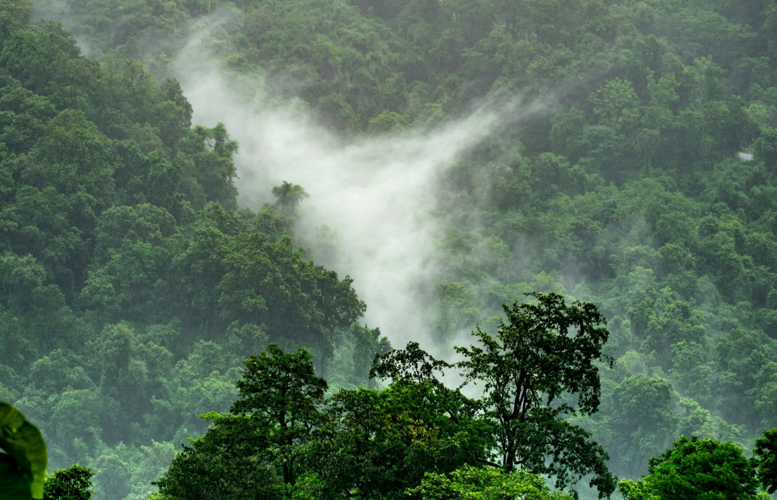
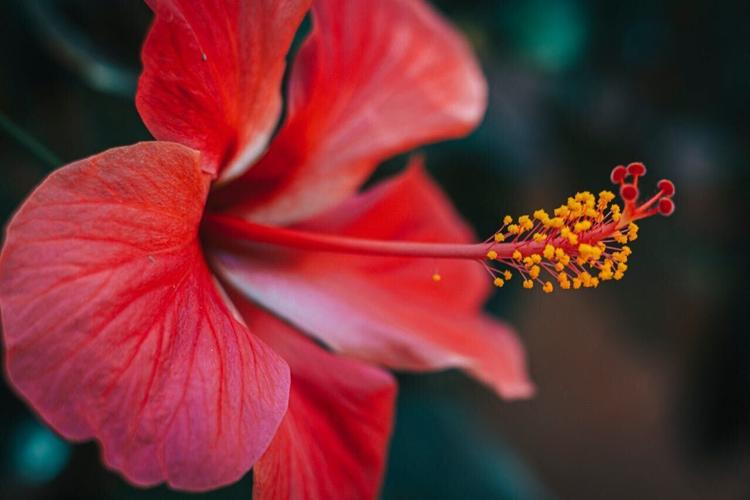
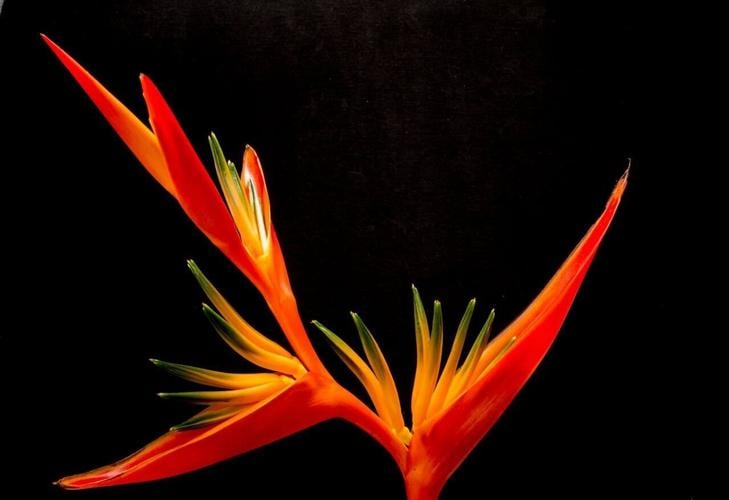

Scientists examined over 8,000 flowers for 200 years to view climate change's effect on ecosystems. (SWNS)
By Stephen Beech
Tropical flowers are blooming weeks later than before due to climate change, reveals new research.
The study of more than 8,000 flowers across 230 years has raised fears for delicately balanced ecosystems.
American scientists found global warming has caused many tropical plants to flower earlier or later than they did in the past - in some cases by a matter of weeks or even months.
Study co-author Dr. Erin Manzitto-Tripp said: "Among the documented impacts of recent climate change are the shifting flowering times of some plant species.
"Such changes to plant reproductive behaviors can have wide-ranging ecological consequences, particularly for pollinators and herbivores.
"This issue has generally been considered to be less of a concern in tropical regions where temperatures fluctuate less over the course of a year so may not be key drivers of flowering timing, but this hypothesis has not been rigorously tested."
For the new study, published in the journal PLOS One, Dr. Manzitto-Tripp and her colleagues from the University of Colorado-Boulder compiled data from museums of more than 8,000 flowers collected between 1794 and 2024.

Photo by Talha Riaz via Pexels
The blooms studied represented 33 tropical species with distinct annual flowering periods.
Comparing the collection dates for each flower revealed that the flowering periods of the species have shifted over time by an average of two days per decade.
The most extreme examples include Ghanan rattlepod shrubs whose flowering period shifted 17 days earlier between the 1950s and 1990s.
Brazilian amaranth trees now flower 80 days later than they did in the 1950s.
The research team said changes of a similar magnitude have been reported for temperate and boreal species of flowers, contradicting the hypothesis that tropical flowers are less susceptible to climate-induced changes to their reproductive habits.
The ecological impacts are not fully clear, but the researchers believe the changes to flowering times may threaten the dependent relationships between plants, pollinators, and fruit-eating seed-dispersing animals, raising the likelihood that shifts to flowering periods impact the wider tropical ecosystems.

Photo by Pixabay via Pexels
Study co-author Skylar Graves, a University of Colorado PhD student, said: “We have found tropical plants are not insulated from the impacts of climate change.
“I hope our work can support conservation initiatives by providing more data on the impacts of climate change on these ecosystems.”
“Tropical latitudes are the most biodiverse ecosystems on earth, and yet they are the most understudied.”
She added: “This work highlights herbarium specimens as more than taxonomic tools.
"Herbarium specimens make up a massive source of data, far greater in both geographic and temporal scale than any one researcher can hope to achieve in their lifetime.
"I hope studies like mine can be persuasive for increased funding of herbaria and their digitisation worldwide.”