




(Roseberys via SWNS)
By James Gamble
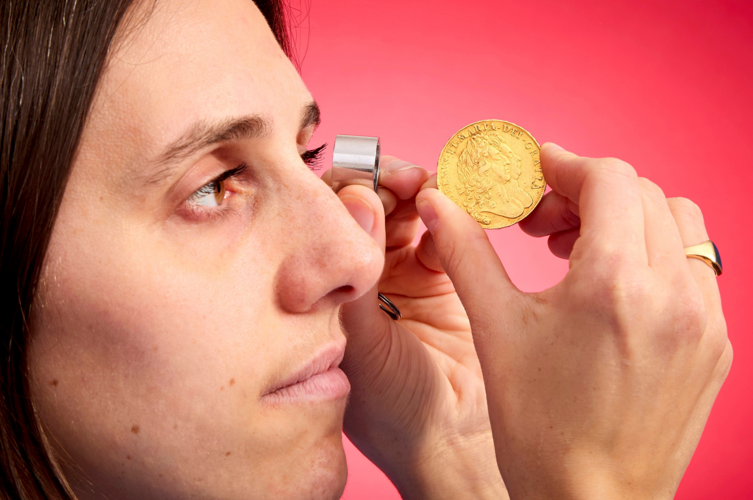
An ultra-rare, 300-year-old five guinea coin from Britain's first and only joint monarchy is set to sell at auction for as much as $16,000.
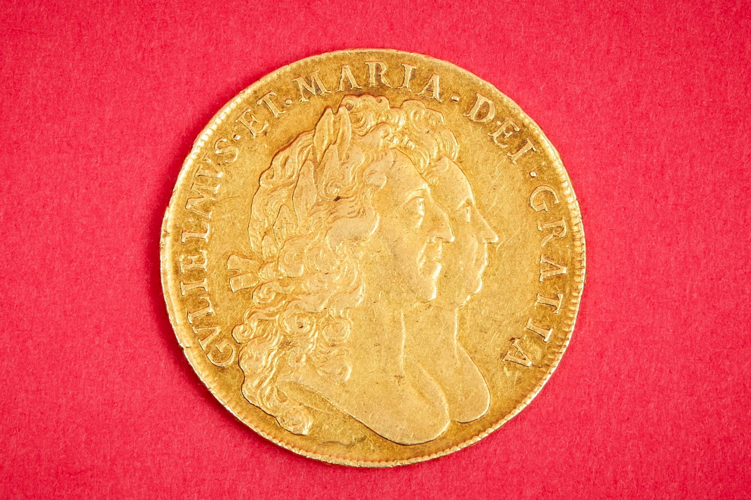
The 17th-Century coin depicts joint monarchs and married cousins William III and Mary II and was struck during the short five years of their joint reign.
It is set to be sold next week by auctioneers Roseberys London, and is estimated to sell for between $10,000 and $16,000.
Surviving examples of coins from the joint reign of William III and Mary II are exceptionally rare due to how brief their reign was.
The two cousins' accession followed the Glorious Revolution of 1688, which saw the deposition of James II and established a Protestant constitutional monarchy in England.
The Protestant pair, who transformed the monarchy, accepted a Bill of Rights that limited Royal power before Mary died of smallpox in 1694, leaving William to rule alone until 1702.

(Roseberys via SWNS)
As the highest denomination of the guinea series, five-guinea gold coins were struck in limited numbers and often later melted for their bullion value, making the coins even more scarce.
Coinage of the period helped reinforce the legitimacy of the new monarchy, and the conjoined busts of William and Mary - unique within the entire guinea series - reflect the first and only time in English history that a husband and wife ruled as shared monarchs.
The 1691 coin has the Latin inscription 'GVLIELMVS ET MARIA DEI GRATIA' - William and Mary by the Grace of God - proclaiming the divine authority of the new monarchs following the Glorious Revolution, on its front.
The reverse bears a crowned shield incorporating the Lion of Nassau, referencing William’s dynastic heritage as Prince of Orange, together with the Latin legend 'MAG. BR. FR. ET. HIB REX. ET.' - naming William and Mary as rulers of Great Britain, France and Ireland.
Around the edge runs the inscription Decus et Tutamen, meaning 'An ornament and a safeguard', an element introduced to English coinage in 1662 to prevent the clipping of precious metal.
It is due to be sold in Roseberys London's auction on March 18.