












(Photo by SHVETS production via Pexels)
By Lauren Wilkin
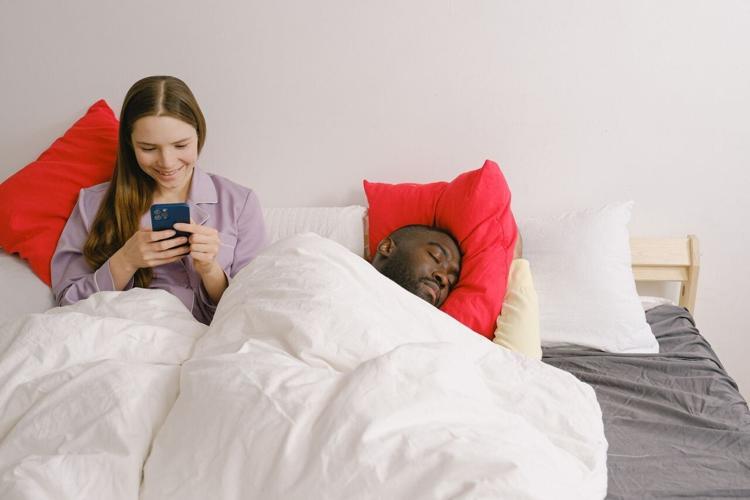
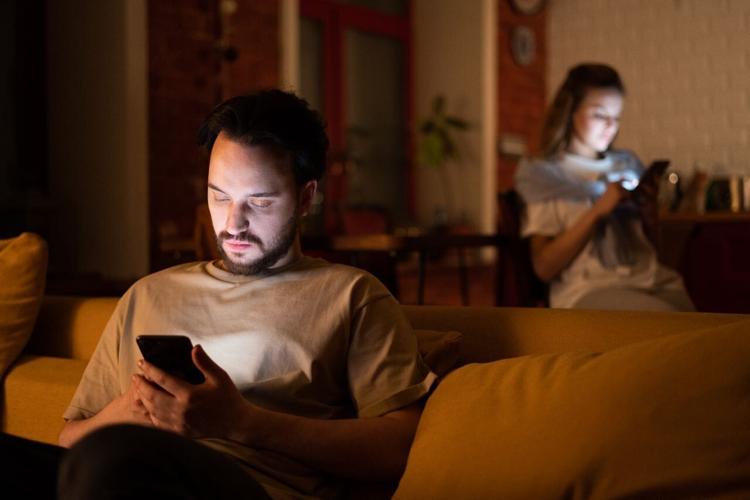
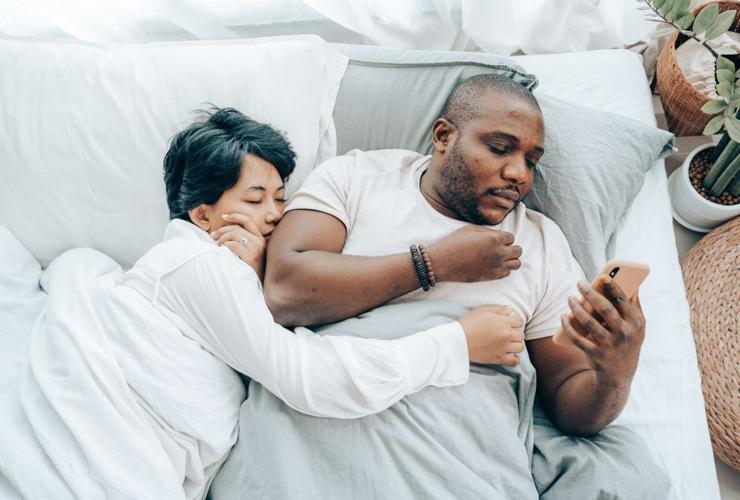
A couple's therapist has revealed the most obvious signs of micro-cheating in a relationship — and how to prevent it.
Anna Elton, a licensed marriage and family therapist, says in her practice, micro-cheating and boundary crossing is a common cause of relationship problems.
"I think of micro-cheating as a pattern of seemingly small behaviors in which a person's romantic or sexual attention and desire begin to move outside the relationship in ways that violate the boundaries the couple has established," says Elton, from West Palm Beach, Florida.
"The behavior itself may look small, but the intention behind it can tell you much more about whether a boundary is being crossed.

Couples therapist Dr. Anna Elton says intent matters when it comes to "micro-cheating". (Mo Mendes / Dr. Anna Elton via SWNS)
But the expert says there is one important distinction when determining what is micro-cheating and what isn't: intent.
"Intent matters," she added.
"Liking someone's photo, sending a message, or talking to an ex is not automatically micro-cheating."
To know if your actions could be micro-cheating, Elton says: "Ask yourself: Why are you doing it? Are you simply interacting, or are you looking for attention, validation, excitement, or connection that you are not getting in your relationship?
"Examples could include repeatedly liking or commenting on someone's suggestive photos because you are attracted to them, initiating contact with someone you have romantic or sexual interest in, sending flirtatious messages."

(Photo by cottonbro studio via Pexels)
Elton, author of "Couples Therapy in the Digital Age," said maintaining communication with an ex while hiding it from your partner, or seeking romantic validation from someone outside the relationship could be signs that you're micro-cheating.
"One isolated action may seem insignificant, but acts of micro-cheating can begin to pile up, potentially revealing a larger pattern of secrecy and boundary-crossing," Elton adds.
"Couples also frequently tell me, 'but we never actually discussed whether this was a boundary'. That is very common.
"Most couples do not sit down at the beginning of a relationship and create a detailed rulebook for every possible interaction.
"In those situations, ask yourself: If my partner knew exactly what I was doing, would they likely feel hurt or disrespected? If the answer is yes, that is probably a conversation worth having."
"I would caution people against treating any single behavior as proof of micro-cheating. Changes in phone use, privacy, or social media habits can have many explanations.
"What matters more is whether those changes are part of a larger pattern of secrecy or redirected romantic or sexual attention.

(Photo by Ketut Subiyanto via Pexels)
"Another sign can be a shift in emotional energy.
"Someone may become unusually excited about communicating with another person while simultaneously becoming less engaged or affectionate with their partner."
But Elton says one key thing needs to be distinguished: privacy and secrecy.
"Everyone is entitled to privacy within a relationship," she added.
"Secrecy is different.
"Privacy says, 'this is something that belongs to me'. Secrecy often says, 'I need to make sure my partner does not know about this because I know it could affect our relationship'."
In her experience, Elton says that when someone begins deleting messages, hiding communication, minimizing a connection or lying about who they are talking to, that deserves attention.
Impacts of micro-cheating on a relationship

(Photo by Timur Weber via Pexels)
Elton says explains that micro-cheating does not necessarily lead to physical infidelity.
"I would be careful about assuming that it will, but it can still damage a relationship on its own," she warns.
"The impact comes from the gradual redirection of attention, curiosity, emotional energy, or desire away from the primary relationship.
"A partner may begin investing excitement and anticipation in someone else while becoming less emotionally available at home.
"These behaviors can also create an accumulation of small breaches of trust."
From her 15 years' experience of being a clinical sexologist, Elton explains: "For many couples, the most painful part is discovering that their partner understood the behavior might hurt them and chose to hide it anyway."
How to reduce the risk of micro-cheating

(Photo by Vitaly Gariev via Pexels)
Elton explains that clear communication and set boundaries can reduce the risk of micro-cheating in relationships.
"Ultimately, couples need to define their own boundaries and here is a simple exercise for couples who are unsure about their boundaries," she says.
And she suggests an easy way to do this.
"Take a piece of paper and divide it into three columns. In the first column, write down the behaviors, expectations, and qualities you want in your relationship.
"In the third column, write down what would feel clearly unacceptable or like a violation of trust. The middle column is the gray area.
"These are the behaviors you are not completely sure about, such as messaging an ex, liking suggestive photos, private conversations with someone you are attracted to, or maintaining certain friendships online.
"Partners can do this separately and then compare notes, or complete it together as a couple."
Through this, the expert says that couples could discover that they assumed they had the same boundaries when they actually did not.
This clarity can prevent boundary crossing in the future.