


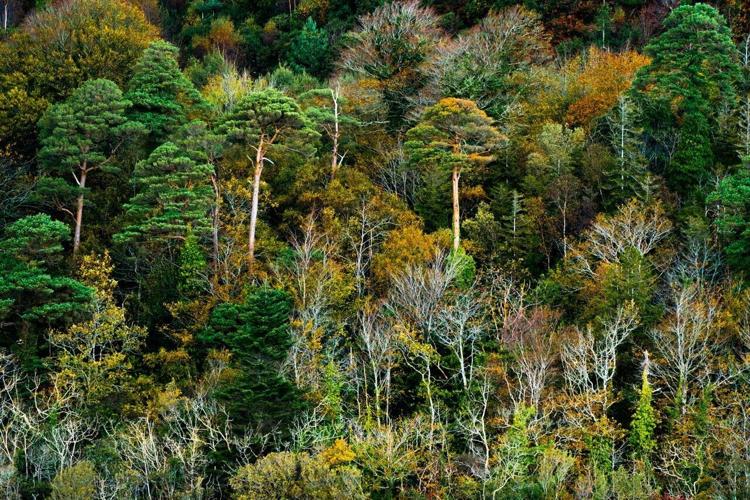
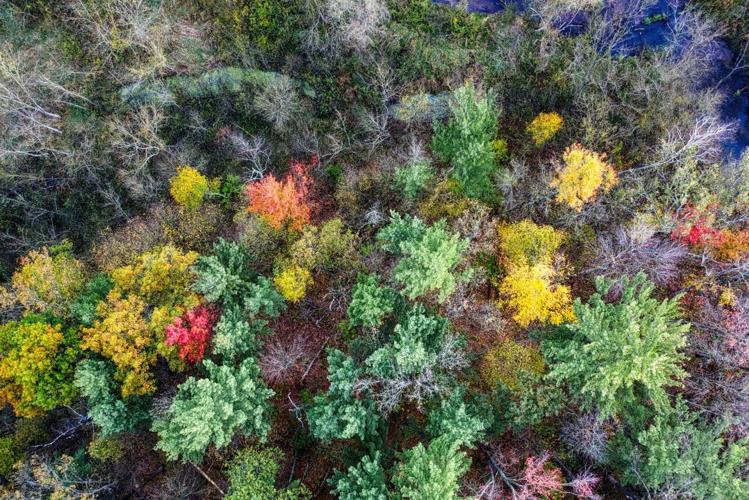
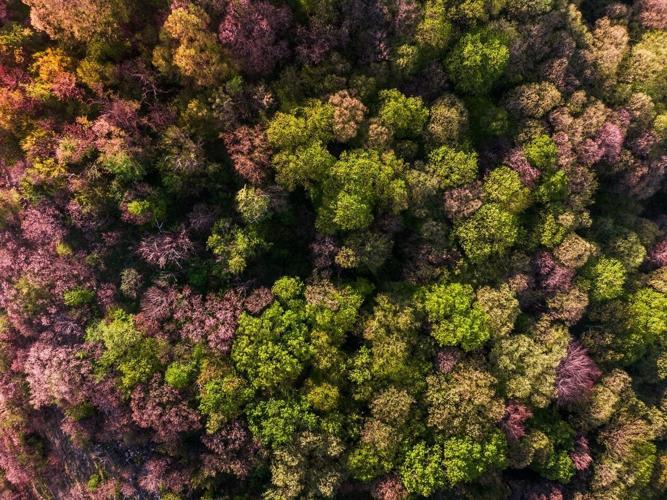

(Photo by Hugo Sykes via Pexels)
By Stephen Beech
Tree diversity protects forests from the growing threat of climate extremes, according to a new study.
Researchers found that planting a range of tree species can play a "crucial" role in protecting forests from increasingly common extreme weather events.
The study analyzed data from 88,116 separate forest plots across the United States to investigate the impact caused by "compound climate extremes" — which is when events such as drought and extreme heat occur at the same time.
The research was conducted by an international team of scientists, including study co-author Hannah White from Anglia Ruskin University (ARU) in Cambridge.
Using satellite observations alongside forest inventory data, the researchers examined forests' "resistance" — which is their ability to withstand climate extremes, as well as their resilience, measured by how effectively they recover afterward.

(Photo by Tom Fisk via Pexels)
While previous studies have usually focused on the impacts of individual climate events — such as heatwaves — climate extremes rarely occur in isolation.
As a result, concentrating on single events may underestimate the risks posed by climate change.
The new research found that when extreme heat and moisture-related events occur together their effects tend to be amplified, resulting in greater negative impacts than the sum of the impacts of individual extremes.
For example, extreme heat can intensify extreme drought by increasing evapotranspiration and exacerbating water stress, while heat combined with excessive moisture, causing waterlogged soil, can exacerbate hypoxia and root damage.
Across all 88,116 forest plots analyzed, compound heat and moisture extremes occurred at least once between 2001 and 2020.
And when exposed to these combined events, forests generally showed lower resistance and poorer recovery than when subjected to individual climate extremes.
However, the researchers found that forests with greater tree species diversity were better able to cope with these pressures.

(Photo by David Bartus via Pexels)
Forest plots containing a wider variety of tree species experienced smaller declines in productivity during compound climate extremes and recovered more effectively afterward.
The findings, published in the journal Nature Communications, suggest that biodiversity can act as a form of "biological insurance," helping forests maintain stability in an increasingly unpredictable climate.
White, senior lecturer in ecology and conservation at ARU, said: "Forests are one of the most productive ecosystems on Earth and are vital to how our planet functions, but they are increasingly exposed to more frequent and intense extreme weather events as our climate changes.
"Much of the research to date has focused on the effects of individual extremes such as droughts or heatwaves.
"Our study, which used extensive forest survey data and satellite-derived productivity measures, shows that when these extremes occur together, the consequences can be substantially more severe, reducing both the forest's ability to withstand disturbance and its capacity to recover afterwards.
"However, we also found that biodiversity can be crucial for governing forest stability, as those with a greater diversity of tree species consistently performed better under these challenging conditions."
She added: "Our findings have implications for future carbon cycle projections and demonstrate the important role biodiversity can play in helping to mitigate the impacts of climate change."