


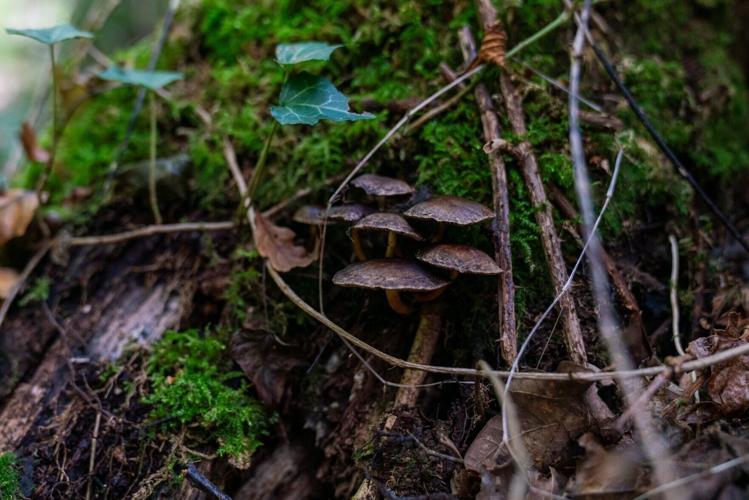
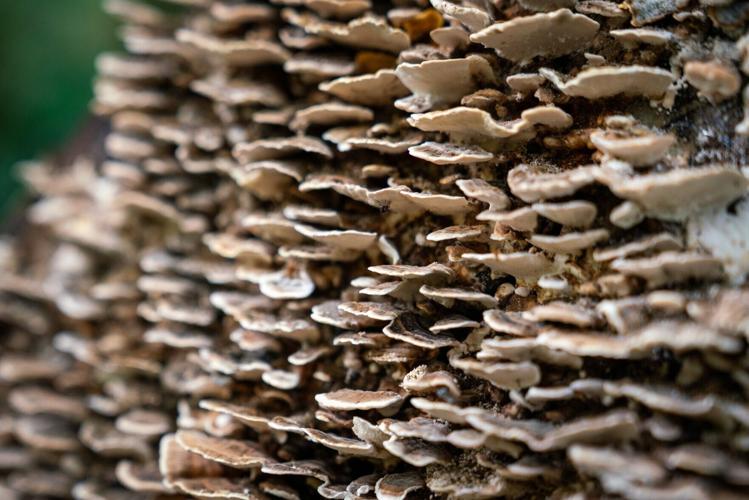

Mushrooms from Dartmoor forests in Devon, England. (William Dax via SWNS)
By Jack Fifield
Gardeners are expected to see record numbers of mushrooms this autumn thanks to heat waves leading to a wet autumn.
The Royal Horticultural Society (RHS) says there have already been early sightings of large rooting boletes — a type of mushroom — and giant funnel mushrooms at its Wisley site in Surrey.
The gardening charity says this suggests species will fruit “prolifically” once autumn rainfall becomes more established and moisture returns to the soil.
But gardeners shouldn’t be worried about the presence of fungi, as the charity predicts this season will see “one of the most spectacular displays of fungal fruiting bodies in recent years.”

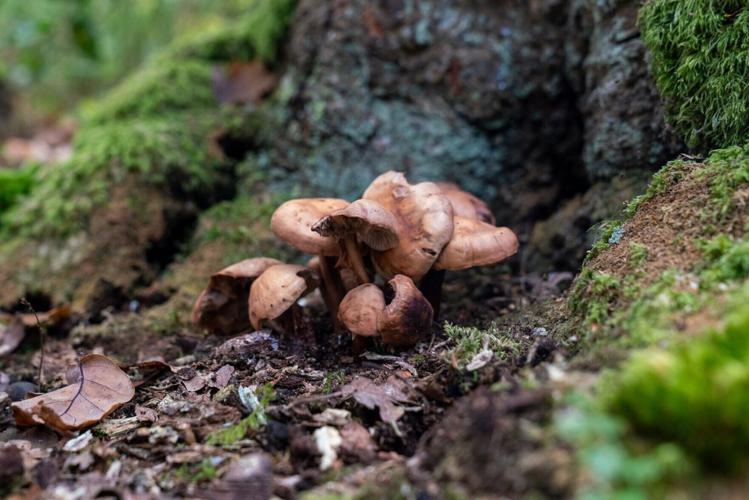
Mushrooms from Dartmoor forests in Devon, England. (William Dax via SWNS)
Photographs taken in forests in Dartmoor, Devon, show several mushrooms and fungi have become well established — including bracket fungi, honey fungus and beefsteak fungus.
The RHS predicts species including the fly agaric, giant puffballs and upright coral could be seen in gardens this autumn.
Jassy Drakulic, RHS senior plant pathologist, said: “Gardeners may notice a remarkable variety of mushrooms and toadstools appearing in lawns, borders and around trees this autumn.
“While gardeners sometimes worry at the sight of mushrooms, the presence of fungi is mostly a sign of a healthy ecosystem.

Mushrooms from Dartmoor forests in Devon, England. (William Dax via SWNS)
“These fruiting bodies are just the visible part of extensive fungal networks beneath the ground or within wood, where they play vital roles in recycling organic matter, supporting plant health and helping nutrients move through the ecosystem.”
While the charity says most types of garden fungi are beneficial, some can cause problems — such as honey fungus, which infects woody shrubs and trees.
The charity is experimenting with a trial at Wisley to see if inoculating a bed of hydrangeas badly affected by honey fungus with sulfur tuft, a beneficial fungus, can help to reduce the disease.
They say early evidence shows that it might — with the trial next due to be rolled out at RHS Garden Rosemoor, in Devon, later this autumn.