


The middle of February may be too soon to start looking for the signs of spring in our area, but if you rely on other senses, you can tell that times are beginning to change.
Early last week I was surprised to hear the familiar sound of geese flying overhead. I had not noticed the little specks in V-shaped formations, high in the bright sky, until I heard that unmistakable honking chorus.
There were too many to count, so I was sure they were snow geese starting their annual trek back to the tundra where they will nest this summer. No doubt we will see more cold and snowy weather before winter officially ends, but it was certainly heartening to watch those flocks heading north over Hillsboro.
Many other migratory birds will begin to filter back into and through Missouri over the next few months, with snow geese among the first. About 15 million of them will use the middle North American and Mississippi flyways. If you haven’t seen them yet this year, keep listening.
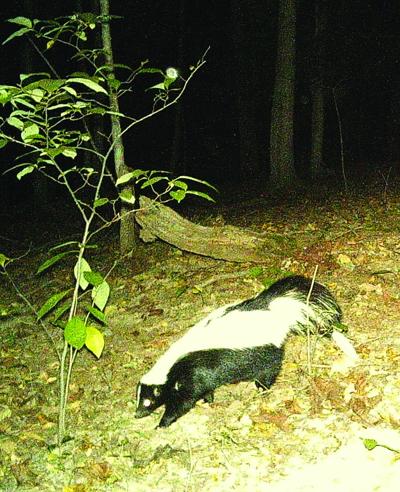
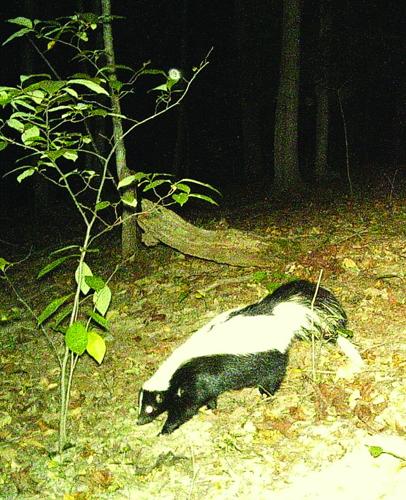
Another not-so-subtle sign you may smell before you see: Striped skunks begin their mating and courting activities this month. Young males will challenge each other for territory and mark their turf with that trademark foul odor.
Most of the year a skunk uses its odoriferous weapon in self-defense. Jefferson County features many areas with preferred habitat for skunks, including forest edges, permanent water locations, brushy fields and rocky outcroppings.
Because skunks do most of their hunting at night, they are more likely to be smelled than seen. While we don’t like the stench, we should be grateful for the work they do, catching mice and rats and eating harmful insects, such as wasps. Just be sure to tread carefully if you cross a skunks’s path.
As the daylight lengthens and the afternoons get a little warmer, one more sound we should all anticipate is the mating call of tiny chorus frogs. These “spring peepers” start singing well before the equinox. The males will find some standing water that is big enough to last most of the year, but small enough not to contain fish. Swampy woodland areas are likely to ring with their welcome tune very soon.
A quiet evening interrupted by the high-pitched peeps of hundreds of little amphibians is music to the ears of people who are “over winter.” The calls could begin any mild day from mid-February through March. You can hear them anytime, especially when it’s cloudy or rainy, but they are most active when the shadows get long and dusk turns to darkness.
Barely an inch long, spring peepers are always easier to hear than see, and when you move in for a closer look, they go silent. As you walk away, they’ll quickly get back to making music. The most widespread of five species of chorus frogs in the state, they are also closely related to green and gray tree frogs and Blanchard’s cricket frog.
Tree frogs are slightly larger than their cricket and chorus cousins. The most common way to identify all frogs is by the songs they sing. The spring peepers’ songs are simple and seemingly endless. The state Department of Conservation Field Guide description says, “The peeping call is repeated about once per second. A chorus of spring peepers can sound like hundreds of small jingle bells.”
That’s a sound of the season we can all look forward to.
John Winkelman has been writing about outdoors news and issues in Jefferson County for more than 30 years and was the Associate Editor for Outdoor Guide Magazine. If you have story ideas for the Leader outdoor news page, e-mail ogmjohnw@aol.com, and you can find more outdoor news and updates at johnjwink.com.