


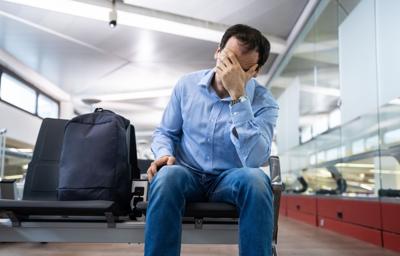

The heaviest impacts of this week’s winter storm have eased, but travel disruptions continue. Airlines continue to work through thousands of delays and cancellations days after severe storms swept through large parts of the country, leaving many travelers stranded far from home.
For those affected, the frustration often extends beyond missed connections. When weather disrupts travel, airlines typically focus on rebooking passengers, not covering the added costs of meals, hotels, or lost reservations, a reality that often surprises travelers navigating the aftermath of major storms.
What airlines are required to provide during weather disruptions
Airlines are not required to compensate travelers for delays or cancellations caused by weather, even when disruptions stretch for hours or force overnight stays.
“The biggest misconception is that airlines are required to compensate for all travel disruptions,” said Suzanne Morrow, CEO of InsureMyTrip. “Right now, if a flight delay or cancellation is beyond the airline’s control, like Acts of God, there is no federal or universal law requiring airlines to provide compensation.”
When weather drives disruptions, airlines generally work to place passengers on the next available flight. Coverage for meals, lodging, or other expenses varies by carrier policy and is often limited.
Why winter weather creates ongoing travel challenges
Winter remains one of the most disruptive seasons for air travel. Federal data shows that weather-related issues account for an average of 46% of all airport delays nationwide during the winter months, highlighting how frequently travelers encounter disruptions outside airline control.
The scale of recent storms has already affected thousands of travelers. InsureMyTrip reports that 3,347 of its customers were potentially impacted by recent weather-related travel disruptions, a figure that reflects just one segment of the broader travel population.
How travel insurance can help fill the gap
Travel insurance may reimburse expenses that airlines typically do not cover during weather delays.
“The airline isn’t required to reimburse for anything during a weather delay, but the expenses for travelers will pile up,” Morrow said. “Travel insurance can reimburse for things like food and necessities purchased during a delay, as long as the delay is for a certain number of hours, usually six or more.”
If a delay pushes travel into the next day, hotel stays and additional transportation costs can qualify for reimbursement, depending on the policy.
Timing matters when buying coverage
Coverage depends heavily on when a policy is purchased. Travel insurance must be bought before a weather event is known to be eligible for weather-related claims.
“Timing can be everything,” Morrow said. “A traveler must purchase a policy before a weather event is known. You wouldn’t buy car insurance after an accident, and the same goes for travel insurance.”
Experts recommend purchasing coverage soon after putting money down on a trip, to provide access to more coverage options and greater flexibility.
What travelers should know before their next trip
As airlines continue to manage disruptions tied to winter weather, experts say travelers should not assume airline policies will cover the full cost of delays or cancellations.
Understanding airline policies, knowing when insurance coverage applies, and planning ahead can help reduce financial risk when weather interferes with travel plans.