


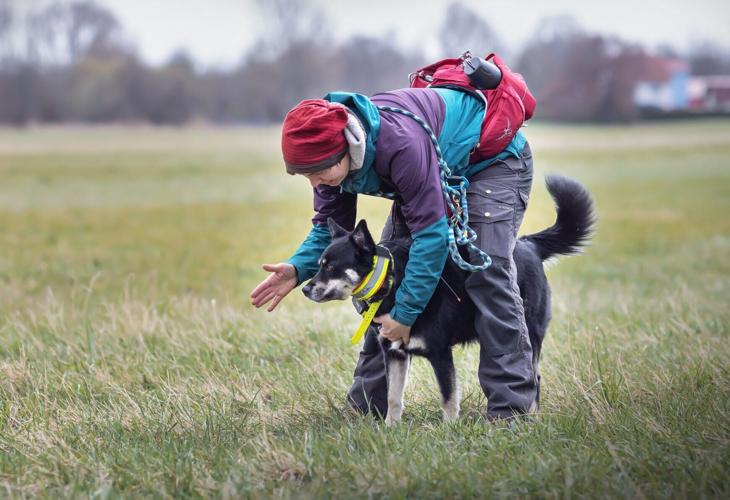

A volunteer with her detection dog in training is starting a practical test in the search for Himalayan balsam (Impatiens glandulifera).
By Stephen Beech
Sniffer dogs are being used to detect potentially destructive invasive plants species.
Experts in Germany trained canines to sniff out invasive alien species with a 75% accuracy rate.
Invasive alien species (IAS) are one of the main causes of biodiversity loss worldwide.
A pilot program evaluated whether volunteer handlers and their dogs could be effective IAS monitors.
Researchers found that with training, volunteer dog-handler teams could locate invasive species in the wild with 75% accuracy.
Standard measures to combat IAS are costly and time-consuming.
But the lack of effective, early detection methods has limited ecologists’ ability to control colonization by invasive species.

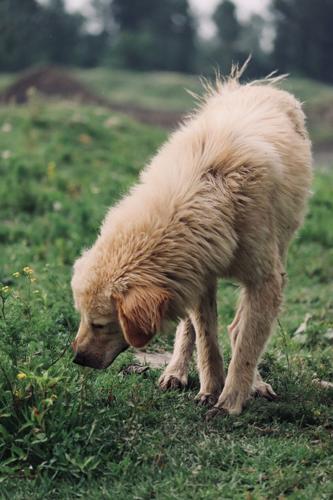
(Photo by ÐлекÑÐ°Ð½Ð´Ñ ÐÐ¸Ñ via Pexels)
To develop effective, accessible ways to detect invasive species, Annegret Grimm-Seyfarth and her colleagues at Helmholtz-Centre for Environmental Research (UFZ) in Leipzig conducted a feasibility evaluation of a volunteer dog-handler training program.
A total of 31 dogs and their owners were trained between 2021 and 2023 using three invasive plant species.
The training culminated with a field test of the dogs’ ability to locate target species in the wild.
Of the 12 teams that completed the field test, 11 teams passed, with an average detection success rate of 75%.
From the feasibility study, published in the journal PLOS One, the research team developed a set of recommendations to improve effectiveness of future, similar projects to improve volunteer selection and coordination, dog training and initial deployments.
Grimm-Seyfarth said: “This pilot project seems to be one of the rare volunteer-based wildlife detection dog (WDD) projects with the precise aim to detect IAS in the field and not in experiments.
“The results show that it is generally possible to train volunteer WDD teams to detect invasive alien plants, enabling dogs to identify target species reliably.

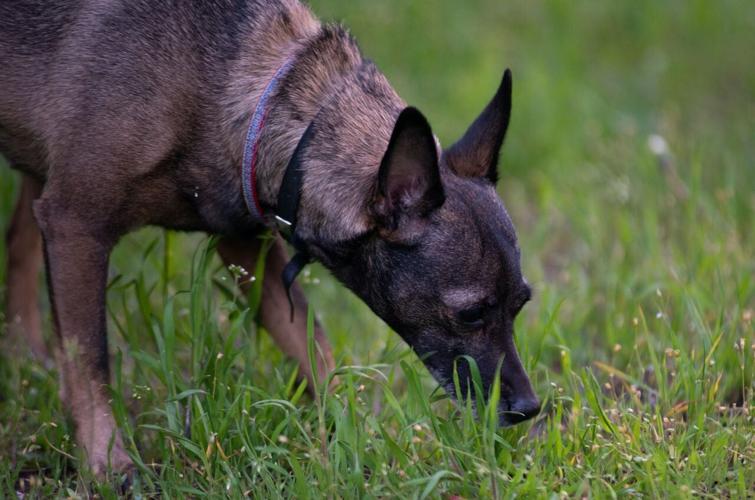
(Photo by Ifham Khan via Pexels)
“Our study shows that trained volunteer dog-handler teams have real potential to support the early detection of invasive plants.
“By combining dogs’ remarkable sense of smell with the enthusiasm of citizen scientists, we could expand monitoring efforts — provided that teams receive appropriate training and expert guidance.
“What we find particularly exciting is the opportunity to turn something people already love doing — spending time outdoors with their dogs — into a meaningful contribution to biodiversity conservation.
“With the right training, everyday walks could become an additional resource for detecting invasive plants early.”
She added: “Enthusiasm is a great starting point, but reliable monitoring requires more than a good nose.
“Our research highlights the importance of carefully designed training and continued guidance from both dog-training and ecological experts to help volunteer teams succeed in real deployments.
“It was great to see how much enthusiasm and motivation many of the participants brought to the program and to be able to support them and watch them grow as teams over such a long period of time.”