

Queer horror is having a moment. The recent film “Leviticus” (2026), a harrowing allegory for conversion therapy, was a critical hit. Meanwhile, Ryan Murphy’s undeniably gay “American Horror Story” returned to TV this fall, offering a campier approach to the genre.
But queer people’s fascination with horror is by no means new. For trans and queer viewers, horror has long acted as a mirror to reflect on complex personal questions of identity and embodiment.
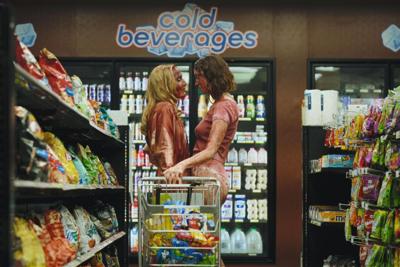
Another new film, Jane Schoenbrun’s “Teenage Sex and Death at Camp Miasma” (2026), explores queer people’s relationship with horror. Schoenbrun’s film isn’t really a horror movie; it’s a movie about horror movies. The protagonist, a young auteur named Kris, is rebooting an old slasher franchise, “Camp Miasma.” The franchise has aged poorly, and she wants to update the film for a contemporary audience. “This part’s transphobic!” Kris mutters while watching the original film.
But Kris is also helplessly obsessed with “Camp Miasma,” and Schoenbrun’s film suggests that it’s precisely the slasher’s troubling, problematic elements that have enthralled her. As both a trans studies scholar and a longtime horror fan, I know how she feels. In fact, Kris’ complicated relationship with “Camp Miasma” may feel deeply familiar for many queer and trans viewers.
Horror has produced some of the most objectionable queer- and trans-coded characters in cinema history. These portrayals of LGBTQ+ people as monstrous and pathological can be found in films ranging from the low-budget slashers that inspired Schoenbrun – most notably “Sleepaway Camp” (1983) – to Oscar winners such as “The Silence of the Lambs” (1991).
Yet queer and trans audiences have often found themselves strangely drawn to these films and to the horror genre overall.
Why does a genre that has treated LGBTQ+ people so poorly keep them coming back?
No one’s 20s and 30s look the same. You might be saving for a mortgage or just struggling to pay rent. You could be swiping dating apps, or trying to understand childcare. No matter your current challenges, our Quarter Life series has articles to share in the group chat, or just to remind you that you’re not alone.
Read more from Quarter Life:
‘Heartstopper’ is helping LGBTQ+ fans find hope and community across time and space
Heated Rivalry shows how queer joy can disrupt hockey’s culture of masculinity
Horror against heteronormativity
Queerness is baked into the very structure of the horror genre.
Film scholar Robin Wood summarized the horror formula as “Normality is threatened by the Monster.” As Wood points out, the social order that represents “normality” is often tied to heteronormative structures like the nuclear family and the heterosexual couple.
Horror stages gleeful attacks on this order: Think of the family under siege by malevolent spirits, or the straight camp counselors hacked to bits after having sex.
Such themes may resonate strongly for queers who find their goals and desires in tension with a society primarily built around cisgender, heterosexual life paths.
Body horror
Beyond its social elements, horror also offers queer and trans people a personal encounter with an aspect of themselves that they may find confusing or even upsetting: their bodies.
Feminist scholar Carol Clover argued that horror is a “body genre,” meaning it is intended to activate a bodily response in the viewer. Often, one of the ways horror elicits this physical response is through the visceral, violent onscreen deformation of bodies.
In body horror, the human body is depicted as an unruly, often disgusting and always vulnerable accumulation of flesh, blood and guts. Such images can mirror and affirm the difficult feelings that many queer and trans folks have experienced with regard to embodiment, their distress surrounding the forms their bodies take or the desires they feel.
Horror’s depiction of monsters and monstrous bodies have allowed many queer and trans people to take ownership over their experiences of personal pain and social stigma. As trans theorist Susan Stryker put it, “I want to lay claim to the dark power of my monstrous identity without using it as a weapon against others or being wounded by it myself.”
Questioning identification
Other queer and trans writers, however, have asked about the limits of identifying with monstrosity.
“How does building an identity on reclaiming the boogeyman affect the psyche?” wonders critic Grace Byron. Horror, after all, centers on violence, brutality, fear and even death. Identifying with these forces might feel powerful in the moment, but it doesn’t necessarily help reckon with the real violence that led LGBTQ+ people to identify with them in the first place.
When I teach horror, my students and I talk about how we might approach some of the most transphobic figures in the horror canon. Instead of identifying with these “monsters,” we try to think critically about the conditions that created them.
Take the trans-coded serial killer Buffalo Bill, from “The Silence of the Lambs.” Scholar Cael Keegan argues that “The Silence of the Lambs” raises issues of state violence against transgender people. Similarly, scholar Grace Lavery reads Buffalo Bill as a victim of medical gatekeeping, which bars lifesaving gender-related care from those who need it.
Rather than either rejecting characters like Buffalo Bill or embracing their monstrosity, queer viewers and their allies could instead ask what these characters show about the structural conditions that keep queer and trans people at the margins of society.
‘Disidentifying’ with horror
When my students approach horror, I encourage them to consider the strategy that queer theorist José Esteban Muñoz offers for minority groups engaging with harmful representations in dominant culture: disidentification. For Muñoz, to “disidentify” means refusing to see yourself in images that degrade you, yet still finding ways of making those violent representations generative for your own thinking, dreaming and living.
“Teenage Sex and Death at Camp Miasma” is about disidentifying with horror. It acknowledges the harmful, long-standing transphobia of the genre. And it is also frank about the disturbing prevalence of sexual violence in horror, both onscreen and behind the scenes.
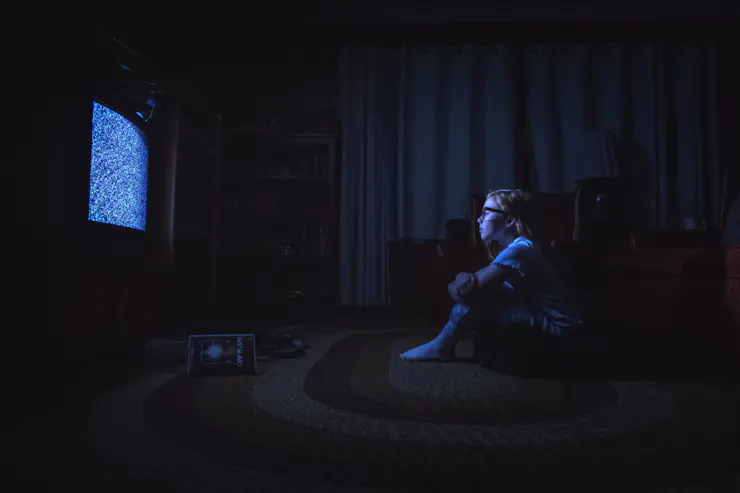
But the queer characters in “Camp Miasma” – both in Schoenbrun’s film and in its fictional counterpart – still manage to connect with themselves and their bodies. And I think they do this not just by watching horror, but by watching themselves watch horror.
So perhaps the draw of horror for queer and trans people isn’t just that it lets them identify with onscreen monsters or victims of violence. It’s that it gives them the opportunity to reflect on these identifications – and to reject them or transform them.
In the process of finding meaning in horror’s monstrous worlds, queer and trans people tap into their own power to respond to the monstrous world around them.
This article is republished from The Conversation, a nonprofit, independent news organization bringing you facts and trustworthy analysis to help you make sense of our complex world. It was written by:
Read more:
- ‘Teenage Sex and Death at Camp Miasma’ winks and blows a blood‑soaked kiss at horror films of queer past
- ‘Heartstopper’ is helping LGBTQ+ fans find hope and community across time and space
- Prime’s Carrie miniseries expands Stephen King’s story – but weakens its central horror
Wesleigh Gates receives funding from the American Association of University Women.
