





Early travel trends for 2026 show a shift toward simpler, healthier, and less crowded experiences. After years of packed itineraries and activity-driven trips, many travelers are prioritizing digital detoxes and alcohol-free escapes, choosing vacations that emphasize rest and presence over constant stimulation.
New data from Expedia and Vrbo show increased demand for farm stays, nature-based destinations, and alcohol-free travel experiences. This shift mirrors a broader cultural turn toward analog experiences as daily life becomes more screen-heavy.
Vacations that offer a break from constant connectivity, like farm stays, mountain towns, and wellness resorts, are increasingly appealing.
Farm Charm Leads Slower Travel

Image Credit: Discover Puerto Rico
The popularity of rural-based travel, dubbed “farm charm” in recent trend reports, reflects the growing desire for low-tech experiences. According to Vrbo’s Unpack ’26 travel trends report, mentions of farm-related experiences in guest reviews rose 300% year over year, and 84% of travelers say they’re interested in staying on or near a farm in 2026.
Travel operators say the appeal lies in a desire to unplug and reconnect with daily rhythms. At farm-based retreats, the structure of the day often comes from the land itself, such as morning walks, produce-heavy seasonal meals, and time outdoors, rather than a packed itinerary.
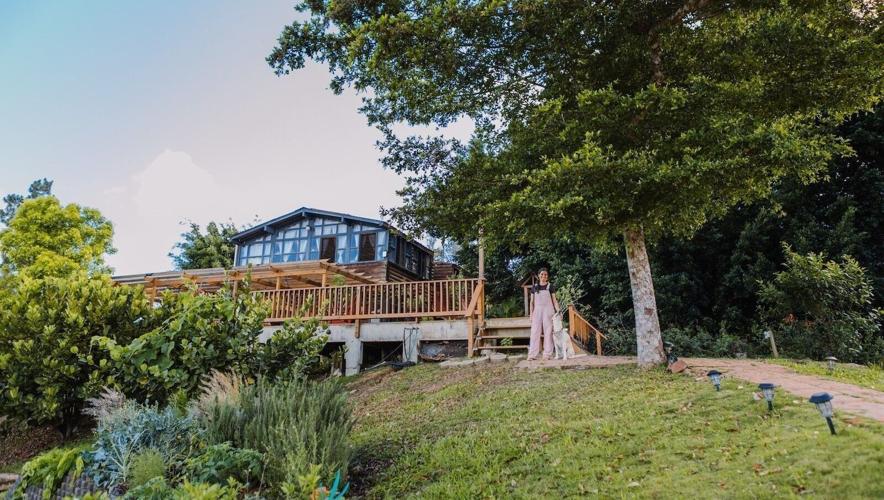
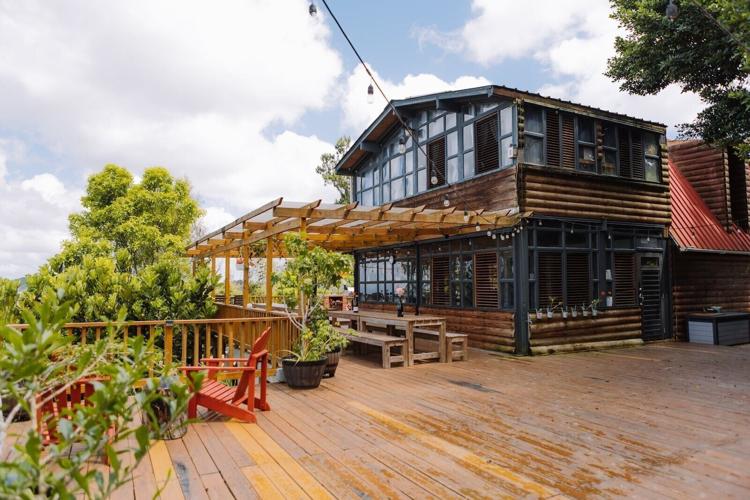
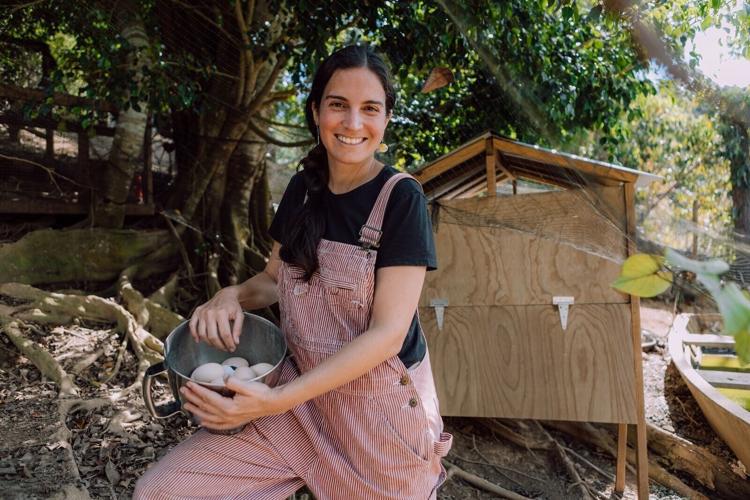
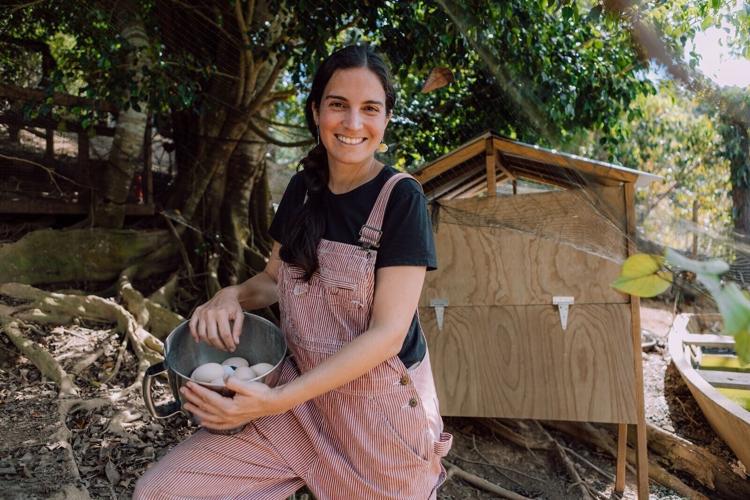
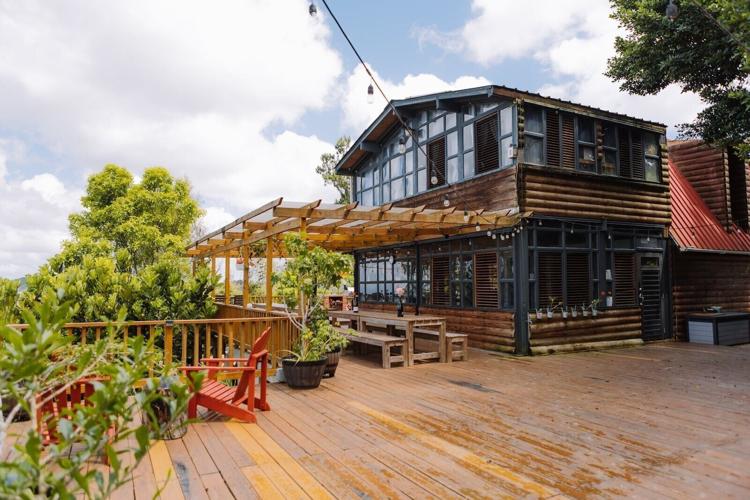
Located in the scenic Cercadillo community in Cayey, El Pretexto serves as the first culinary farm lodge in Puerto Rico. The women-owned agroecological property offers a small number of villas surrounded by coffee groves, gardens, and free-range poultry, with views stretching from the mountains to the south coast.
Guests participate in immersive culinary experiences that highlight local traditions, like preparing sofrito and filleting freshly caught fish. Much of the food is sourced directly from the property or nearby farms.
“Her love of Puerto Rican cuisine and for the island and its people is infectious,” says recent visitor Amy of the owner, Crystal. “Much of what she served was sourced from her property or through her connections with local farmers and fishermen.”
Stays like this are intentionally small and place-specific, offering travelers a one-of-a-kind experience centered on local agriculture and culture rather than a traditional resort-style visit.
In Virginia’s Loudoun County, properties such as Meadowkirk at Delta Farm are also leaning into the slow-travel appeal. Set across hundreds of acres, the retreat center focuses on rest and reflection, including shared meals and low-key group experiences.
Big Sky Reflects the Move Toward Rural Destinations

Image Credit: Discover Puerto Rico
Expedia named Big Sky one of its top U.S. destinations for 2026 after the area saw a 92% surge in flight and accommodation searches in 2025.
Melanie Fish, vice president of global public relations for Expedia Group, said destinations like Big Sky align with the company’s “Smart Travel Health Check,” a framework inspired by the World Travel & Tourism Council that highlights destinations that offer meaningful experiences while helping manage overtourism.
The region also reflects a broader trend toward nature-based travel and flexible lodging. Camper-van and RV trips, which surged during the pandemic, remain popular for visitors exploring Big Sky and nearby national parks. These options let travelers avoid crowded hotels and move at their own pace.
“Historically, Big Sky has been a natural stopover for people traveling between Yellowstone and Glacier,” says Trevor James, COO of Moterra Campervans. “What we’re seeing now is a shift where people are choosing Big Sky as a destination in itself. Guests are building full trips around it instead of just passing through.”
James notes that mobile travel plays a key role in this shift.
“When they travel by camper van, they experience it as a region. You’re not just visiting Big Sky, you’re moving through Gallatin Canyon, remote forest roads, and wild public lands where you can camp for free and truly feel how vast Montana is. That sense of scale is the magic.”
Sober Travel Moves Into the Mainstream
Alongside nature-based travel, demand for alcohol-free experiences is growing, especially among younger travelers.
A 2024 report from StudentUniverse found that 77% of Gen Z travelers prefer vacations that don’t center on drinking, while Expedia data shows 49% of travelers, and up to 66% of those ages 25 to 35, are interested in hotels that offer alcohol-free beverages.
In response, some hotels are expanding zero-proof drink programs beyond basic substitutions.
At the wellness-focused Palmaïa, The House of AïA, alcohol-free beverages are presented first on menus rather than as an alternative.
“From the very beginning, Palmaïa was created as a place where clarity, presence, and well-being are at the center of the experience,” says founder Alex Ferri.
Leading with alcohol-free beverages came from that philosophy and was later reinforced by what guests were already asking for. The goal is to support sober travelers and reshape expectations around vacation drinking culture.
“We wanted sober travelers to feel genuinely celebrated with sophisticated, complex drinks that feel like an experience, not like a compromise,” says Ferri. He adds that travelers are finding they feel better, sleep better, and enjoy their vacation more when alcohol isn’t the focus.