


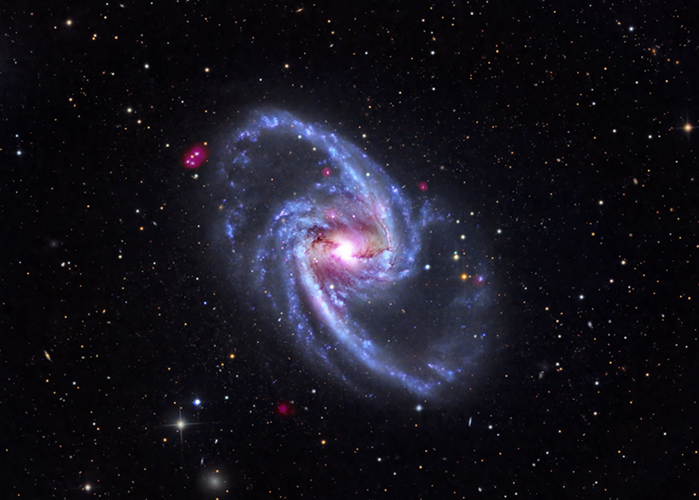





(NASA/CXC/SAO/ ESA et al. via SWNS)
By Dean Murray
A doomed spacecraft is set to plunge to Earth on Wednesday, Nov. 4, and there is a 1 in 2,100 chance of it harming someone.
A daring mission to catch and lift NASA’s 1,470 kg Neil Gehrels Swift Observatory to a higher orbit failed over the summer.
The 5.6 m-high spacecraft was launched in 2004 to detect and monitor gamma-ray bursts, but after 21 years of science operations, its low-Earth orbit began to rapidly decay because of increased solar activity.

(NASA/CXC/SAO/ ESA et al. via SWNS)
As of Monday, the US Space Force predicted that Swift will reenter the atmosphere at approximately 9:11 a.m. GMT, but with an uncertainty of 11 hours.
NASA said it expects most of the spacecraft to burn up as it travels through the atmosphere, but some components are expected to survive reentry.
The agency said: “Reentry locations of any surviving components can vary from hemisphere to hemisphere and depend on when it reenters.

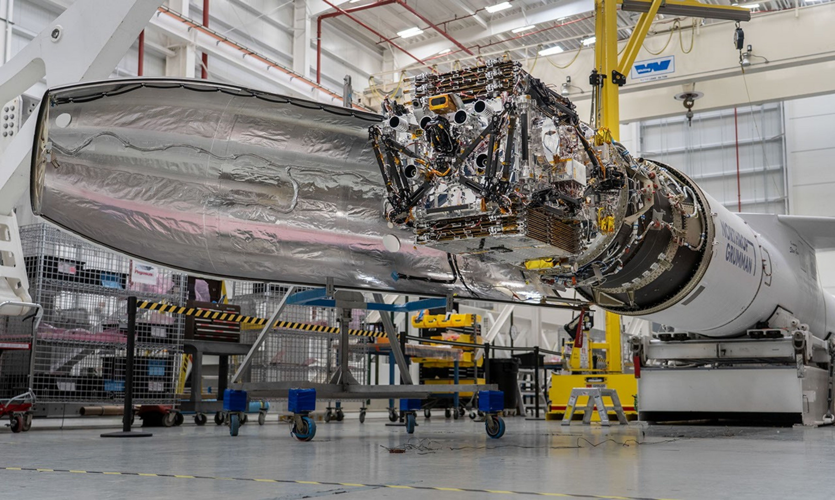
(NASA/Ron Beard via SWNS)
“Due to Swift’s low inclination, reentry locations of surviving fragments are limited between 20.6 degrees south latitude and 20.6 degrees north latitude.
“The risk of harm coming to anyone on Earth is unlikely — approximately 1 in 2,100. NASA and Space Force will continue to monitor the reentry and update predictions.”
NASA’s coordinates mean any debris that survives could land within a broad tropical band around the equator, taking in parts of Central and South America, Central Africa, southern India, Southeast Asia and northern Australia, as well as vast stretches of ocean.