


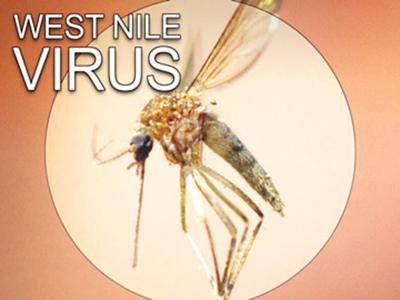
The West Nile virus recently was detected in mosquito populations in High Ridge, Fenton and De Soto, according to the Jefferson County Health Department.
Specimens from High Ridge and Fenton mosquito populations tested on Aug. 22 detected the virus, the Health Department reported. The department’s Vector Division began implementing control measures in those areas on Aug. 22.
In addition, a mosquito specimen collected on Aug. 16 in De Soto and tested on Aug. 18 detected the virus. The Vector Division began implementing control measures in that area on Aug. 19, the Health Department reported.
JCHD’s Mosquito Control and Surveillance program will continue to monitor the county for West Nile Virus in the mosquito population.
“The JCHD accomplishes this by means of trapping and testing (mosquitoes) for the virus,” said Brianne Zwiener, the Health Department’s public information officer. “The other part of the program addresses mosquito population control by means of treatment (spraying) with adulticide. When the JCHD confirms a positive population for West Nile virus, that site receives immediate treatment (the control measure) to eradicate that population to the best of our abilities.”
The Health Department has an agreement with De Soto and a couple of other municipalities to take care of spraying for mosquitoes in the summer. It also takes mosquito spray requests from county residents online. For more information about the department’s Mosquito Control and Surveillance Program, visit the agency’s website at jeffcohealth.org.
“We want county residents to know that regardless of whether they live in High Ridge, Fenton, De Soto, or other parts of the county, protection is still important,” said JCHD Interim Executive Director Steve Sikes.
The health department encourages residents throughout the county to be diligent in protecting themselves and their loved ones when they are outdoors.
Protection from mosquitoes and the diseases mosquitoes carry can be as simple as:
■ Using insect repellents that contain 20 to 50 percent DEET or Picaridin;
■ Wearing light-colored clothes;
■ Covering exposed skin.
In addition to personal protection, residents can protect their homes and property by removing standing water sources such as waste tires, cans, buckets, flowerpot sills, or other containers holding water in which mosquitoes may lay their eggs.
Mosquito season starts in the summer and continues through fall, and mosquitoes bite not only during the night, but also during the day.
According to the Centers for Disease Control and Prevention, the West Nile virus is the leading cause of mosquito-borne disease in the continental U.S. Most people affected with the virus don’t feel sick. But about one in five people develop a fever and other symptoms, and one in 150 people develop a serious, sometimes fatal, illness.