













Photo by Andrea Piacquadio via Pexels
By Lauren Wilkin
A new study published in the British Journal of Sports Medicine has shown that 90-120 minutes of weight training a week can reduce the risk of death.
That means just 13 minutes of weight training per day can result in a 19% lower risk of cardiovascular diseases and a 27% lower risk of neurological diseases.
The study drew on 30 years of monitoring data from a total of 147,374 participants. 'Strength training' was defined as exercises using weights or body weight, such as press ups, squats and lunges.
It found that the participants who undertook more strength training tended to be younger, weigh less and have a healthier lifestyle.
Interestingly, no further benefit was found from doing more than 120 minutes of strength training per week.
The benefit of strength training is that it can be completely free. There's no need to fork out on an expensive gym membership when using your own bodyweight in your living room can be just as effective.
We've spoken with longevity expert Daniel Herman, CEO of award-winning supplement company Bio-Synergy, to find out 5 more budget-friendly ways to increase your lifespan with simple lifestyle changes.

Photo by Mike via Pexels
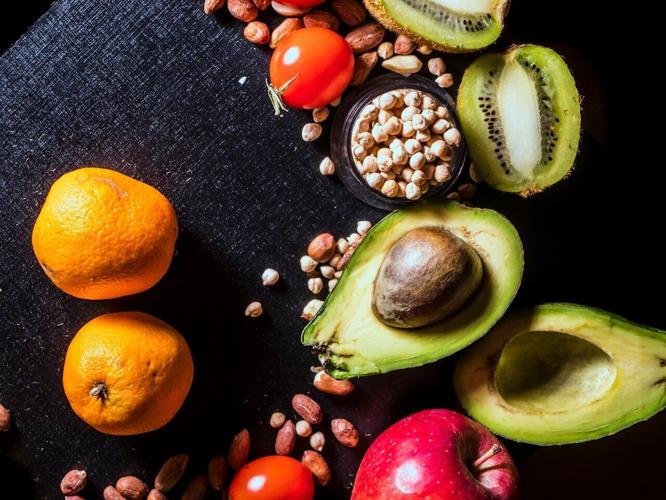
1) Prioritize whole foods over fancy health foods
Herman, who's company pioneered DNA and epigenetic testing in the supplement industry, said there's no need to splash out on fancy "superfoods."
Instead, swap them for simple basics like oats, beans, lentils, eggs and seasonal vegetables.
"These deliver real nutritional value at a fraction of the cost and help stabilise blood sugar, gut health, and energy."

Photo by Ella Olsson via Pexels
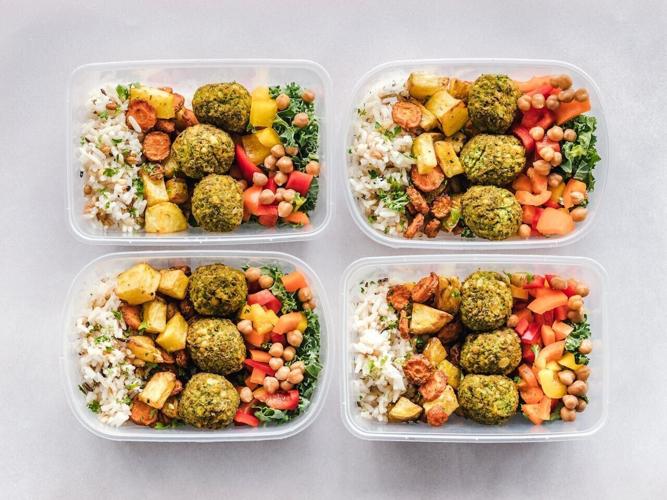
2) Buy in bulk and cook for the week
Our increasingly busy lifestyles mean it's often easier, quicker and more simple to pick up dinner on the way home rather than cooking something from scratch.
But a key to living a healthy, affordable lifestyle is to ditch those takeaways. Even 'healthy' options are likely to contain a lot of salt, preservatives and ultra-processed foods.
In fact, studies have found that over 75% of popular restaurant and takeaway food is unhealthy.
Instead, Daniel advises setting aside some time to cook healthy meals for the week.
"Planning a batch-cook Sunday saves time, money and keeps you eating nutrient-dense meals when life gets busy", he said.

Photo by Maurício Mascaro via Pexels
3) Make hydration a habit
The NHS advises drinking 6-8 cups of fluid a day. This usually averages out at just under two litres a day.
This is essential for keeping our metabolism working effectively.
"Keep a reusable water bottle on you, drink before you feel thirsty," Daniel said.
"You’ll save money and your kidneys, skin, digestion, and energy levels will thank you", he added.

Photo by Denys Gromov via Pexels
4) Move regularly, no membership required
Gym memberships can be expensive, but there are plenty of ways you can exercise on a budget.
"Walking, home-bodyweight routines, stair climbing, or cycling to work all keep you active aim for 30 minutes a day," Daniel said.
And as the study suggests, just a quick 13 minute strength training routine incorporated into your day can make a huge difference to your lifespan and longevity.

Photo by Andrea Piacquadio via Pexels
5) Sleep first, supplements second
"A quality 7–8 hours’ sleep each night is the single most powerful anti-aging habit you can do and it’s free," Daniel said.
"Once sleep and rest are dialed in, then you can layer in smart, quality supplementation."
As well as sleep duration, consider consistent bedtimes, too. This regulates your internal body clock (known as circadian rhythm).