



World Suicide Prevention Day is Sept. 10, part of National Suicide Prevention Month.
During these 30 days, we’ll see a lot of messages about how to identify and help those at risk of self-harm.
We’ll see road signs and TV commercials, hear podcasts and radio shows and see posts on social media – all trumpeting the availability of resources for those who feel in crisis.
The U.S. is poised to launch a national 988 suicide help line, similar to 911.
But we need to take one more step.
My daughter, Kelly, talks openly and freely now about the suicidal thoughts she had following the birth of her first child in 2017, as she was caught in the grip of a postpartum depression so severe it incapacitated her for weeks.
“I’m so glad people are sharing the number for the suicide prevention line,” she said. “But I think we might be missing an opportunity if we just wait for people to call that number.”
Those who have experienced depression and suicidal ideation can’t seem to say enough about how difficult it is to initiate any conversation about mental health.
“Mustering up the courage and overcoming the crippling anxiety to tell someone that you’d rather be dead than continue to function is a monumental task,” Kelly said. “It’s exhausting, it’s embarrassing and it’s difficult. The last thing I felt able to do was reach out for help. I just wanted to be rescued.”
Author and activist John Pavlovitz wrote, “That is what depression does; it mutes your ability to reach. It convinces your head that nothing matters, that this terrible moment will not pass, that nothing will get better. In those moments, the only thing you want is escape – and the choices people make in those moments are beyond what any of us have the right to criticize from outside of it.”
The numbers are staggering.
In the first two decades of the 21st century, the National Institutes of Health reports, deaths from stroke have fallen by 39 percent, heart disease by 38 percent and cancer by 24 percent.
In that same period, the suicide rate has risen by almost 35 percent, making it the second leading cause of death (after accidents) for those between the ages of 10 and 34.
In 2019 – the latest year for which figures are available – there were nearly 2 1/2 times as many suicide deaths in the U.S. as there were homicides.
So just giving people the suicide hotline number isn’t enough.
“I am so proud of myself because I was able to get help before it was too late,” Kelly said. “I am so lucky, and so grateful I managed to overcome those difficulties.
“But so many people are just too tired. They wait for a rescue that will never come. Some hold on long enough, and others just can’t.”
So why isn’t a health crisis of this magnitude on the tip of everybody’s tongue?
Mostly because of the stigma. Unless it’s Robin Williams or Kate Spade or Anthony Bourdain, those who take their own lives are rarely in the spotlight.
Talking about it is hard. I had to fight the pull toward feeling shame even as I wrote this. I made sure to ask Kelly’s permission to tell her story, and let her know there’d be 70,000 pairs of eyes on it when the paper came out.
“That’s the point,” she said. “We have to stop with all the stigma.”
None of us feel shame if we seek treatment for a broken leg or cancer or chronic arthritis. Why shouldn’t we be as matter-of-fact about mental illness? It’s no worse than being nearsighted. Getting therapy and medication is sort of like getting glasses for your brain chemistry.
The glaring difference is this: If you do nothing about the broken leg, it will heal, albeit crookedly, because you’re still alive. Suicide is devastatingly permanent.
So what can we do for those who might be struggling with thoughts of suicide?
The National Alliance on Mental Illness (NAMI) suggests these points:
■ Be there for them. Individuals appear to feel less depressed, less suicidal, less overwhelmed and more hopeful after speaking to someone who listens without judgment.
■ Keep them safe. A number of studies have indicated that when lethal means (weapons, medications, etc.) are made less available or less deadly, suicide rates by that method decline.
■ Help them stay connected. Helping create a network of resources and support for the at-risk individual can help them take positive action and reduce feelings of hopelessness and isolation.
■ Follow up. Studies have shown that ongoing contact and support is an important part of suicide prevention, especially for individuals after being discharged from hospitals or care services.
■ Learn more about the subject. Get more information and find resources through groups like NAMI, the National Institutes of Health, the Centers for Disease Control, the American Foundation for Suicide Prevention and the Suicide Prevention Coalition.
But help isn’t effective unless we get it to the person who needs it.
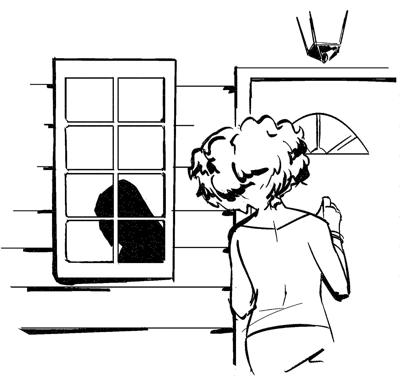
“I know it is a lot to ask. But we need to make sure we are rescuing one another,” my daughter said. “So, if you don’t see someone around the way you used to, reach out to them. Ask people how they are doing, and really listen to their answers.
“Ask the people who don’t seem like anything could ever bother them. Ask the people who always ‘have it together.’ Ask the people who are sad. Ask the people who struggle. Ask your parents. Ask your spouse. Ask your siblings. Ask your kids. Ask your co-worker. Then ask again; they won’t mind.
“Please. Just reach out. Just ask.”