


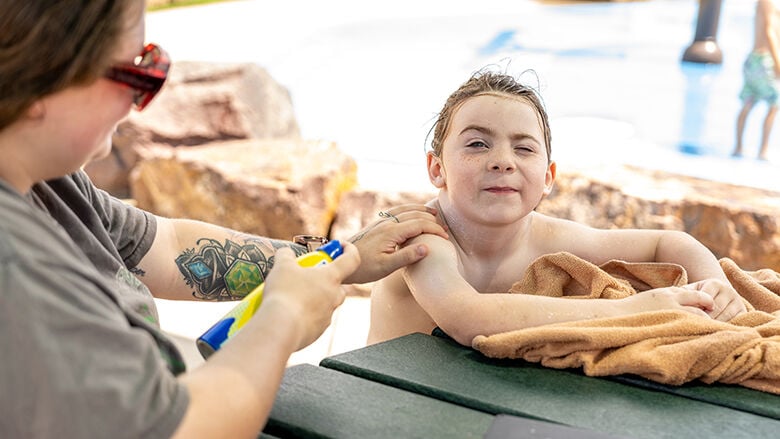

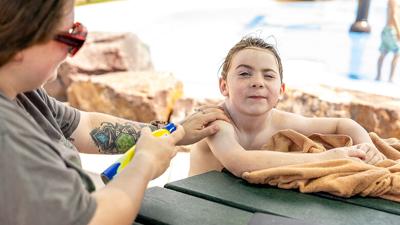
Skin cancer is the most common and preventable cancer in the U.S., according to the American Academy of Dermatology (AAD).
A local organization is focusing on improving those odds of prevention with its own sun safety program.
What is skin cancer?
Skin cancer, which is the uncontrolled, abnormal growth of cells in the outermost layer of the skin, the epidermis, is primarily caused by DNA damage from ultraviolet (UV) radiation from sunlight or tanning beds.
When UV light hits the skin, it damages healthy cells. Without sun protection, the damage can build up. Over time, signs of sun damage, such as freckles, age spots and wrinkles, will appear. Some people develop precancerous skin growths, skin cancer or both.
While most prevalent in those with fair skin, anyone can get skin cancer, regardless of age, gender or skin tone.
About one in five Americans will develop skin cancer during their lifetime.
When caught and treated early, skin cancer is highly curable.
The AAD says protecting your skin from the sun can reduce your risk of developing skin cancer, sunburn and premature skin aging like age spots, sagging and wrinkles.
Education is key
The Twin City Area Optimist Club is on a mission to educate young people on the importance of sun safety.
Carroll Metzger, a member of the Twin City Area Optimist Club and chair of the Safe Sun Project, said club members plan to discuss sun protection and sunscreen usage at many upcoming events throughout 2026.
“The Optimist Club participates throughout the year in so many outdoor events, and we felt that promoting sun safety was a good way to participate in these events. We could spread this public health message when we’re interacting with children and families at these events and help prevent skin cancer, which is one of the most preventable cancers there is,” Metzger said.
She said the sun safety campaign is aligned with the Optimist Club’s mission of improving the lives of youth in the community.
Metzger said the club will have a booth at many events this year such as summer festivals, the Bottleneck Bridge Ride, Twin City Days and more. She said they will be prepared with coloring sheets for the young attendees and sun safety information for those who are older.
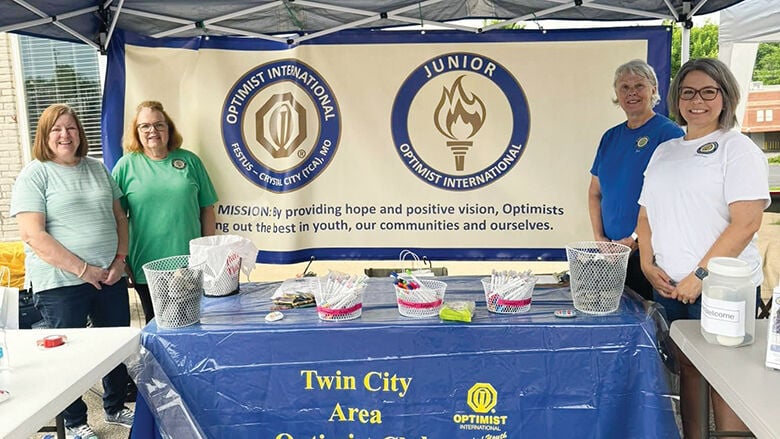
The Twin City Area Optimist Club plans to have booths at upcoming summer events.
“We’ll be there with our handouts that talk about sun safety and preventing skin cancer. We also have some one-ounce bottles of sunscreen that we give out. We find that people are really receptive to this. They really like it. We also have a handout that has a lot more detail that is from the American Academy of Dermatology,” Metzger said.
She said the Safe Sun Project is being funded through a $1,000 grant from the Optimist International Foundation to support both printing and the supplies, with $1,000 being supplied by the Twin City club as well.
Sun protection strategies
The AAD recommends the following tips to further protect the skin from the sun’s damaging ultraviolet rays and reduce the risk of skin cancer:
■ Seek shade when possible. The sun’s rays are strongest between 10 a.m. and 2 p.m. If your shadow is shorter than you are, seek shade.
■ Wear sun-protective clothing, such as a lightweight long-sleeved shirt, pants, a wide-brimmed hat and sunglasses with UV protection. When possible, select clothing with an ultraviolet protection factor (UPF) label.
■ Apply a broad-spectrum, water-resistant sunscreen with an SPF of 30 or higher. Broad-spectrum sunscreen provides protection from both UVA and UVB rays.
■ Use sun protection every day, even when it’s overcast or cold outside.
■ Apply at minimum one ounce of sunscreen, or about the amount to fill a shot glass, on skin not covered by clothing.
■ Apply at minimum one teaspoon of sunscreen to the face.
■ Do not forget to apply sunscreen to the tops of the feet, neck, ears and the top of the head, if necessary.
■ Reapply sunscreen every two hours, or after swimming or sweating.
■ Use extra caution near water, snow and sand, which reflect sunlight and increase the chance of sunburn.
■ Avoid tanning beds. Instead, use a self-tanning product to obtain a tanned look.
■ Perform regular skin self-exams to detect skin cancer early, when it’s most treatable. See a board-certified dermatologist if you notice new or suspicious spots on your skin, or anything changing, itching or bleeding.
The AAD said following a sun protection regimen can help prevent, slow down and even reverse signs of sun damage.
Start sun protection early
The AAD recommends that parents ideally should avoid exposing babies younger than 6 months to the sun’s rays at all and keep them in the shade as much as possible. In addition, dress infants in lightweight long sleeves, pants, a wide-brimmed hat and sunglasses.
The AAD recommends that sunscreen be avoided in babies younger than 6 months unless adequate shade and protective clothing are not available. In that case, a minimal amount of sunscreen should be applied, and should be washed off the baby’s skin once indoors.
A broad-spectrum, water-resistant sunscreen with an SPF of 30 or higher may be applied to infants and toddlers 6 months and older on all skin not covered by clothing. Sunscreens including zinc oxide or titanium dioxide, or special sunscreens made for infants or toddlers, may cause less irritation to their sensitive skin.
The AAD advises that different types of sunscreens can have different uses, depending on the area of the body to be protected, with options including lotions, creams, gels, ointments, wax sticks and sprays.
■ Creams are best for dry skin and applying on the face.
■ Gels are good for oily complexions or hairy areas.
■ Sticks are good to use around the eyes.
■ Sprays are easy to apply to a child’s skin but can be difficult to tell if enough has been applied. Spray until the skin glistens, then rub the sunscreen into the skin to get even coverage.
How to treat a sunburn
If you do get a sunburn, there are steps you can take to help heal and soothe the affected skin. The AAD recommends beginning sunburn treatment as soon as you notice it. The first thing you should do is get out of the sun and preferably head indoors.
Once indoors, the following tips can help relieve the discomfort:
■ Take frequent cool baths or showers and gently pat the skin dry.
■ Apply moisturizer containing aloe vera or soy while the skin is still damp.
■ Apply calamine lotion, place a cool, damp washcloth on the affected area or take a colloidal oatmeal bath.
■ Take aspirin or ibuprofen to help reduce any swelling and discomfort.
■ Drink extra water to prevent dehydration.
■ Do not pop sunburn blisters but instead keep them clean and apply petroleum jelly to protect them while they heal.
Visit www.myleaderpaper.com/news/health for more health coverage from the Leader.