



For travelers with disabilities, a guided tour can ease some of the work and worry of planning a vacation. With transportation, hotels, and sightseeing coordinated by one company, travelers have a point of contact to discuss their needs and arrange support before departure.
The unknown of how to manage your disability can make an unfamiliar destination seem out of reach. And often that’s how it stays. These concerns are enough to make someone stay home.
An estimated 25.6 million American adults with disabilities took 76.9 million trips in the two years preceding a 2024 study commissioned by Open Doors Organization and conducted by The Harris Poll. The figures are the most recent available, and show how many people with disabilities are already traveling.
Planning around the traveler
Guided sightseeing is among the activities travelers with disabilities seek out. In the same study cited above, nearly a quarter of U.S. adults with disabilities said they wanted to participate in guided tours or sightseeing in towns and cities when planning a trip. One in five travelers with disabilities selected guided tours or sightseeing in the countryside.
That’s where a tour company like Collette comes in. Tour companies can cater to almost anyone.
“Our goal is to understand each traveler’s individual requirements before departure and provide clear guidance on the accommodations available throughout their journey,” said Denise Sablone, Collette’s executive vice president of tour design and delivery.
The company’s client care team reviews daily itinerary details with travelers, including activity levels, walking distances, terrain, transportation, and hotel accommodations, according to Sablone.
This conversation is of particular importance when a traveler’s abilities do not fit neatly into an activity rating. Someone may be comfortable walking short distances but unable to stand for any length of time. Another person may manage level ground but struggle with stairs or uneven streets.
Collette’s Scotland: Land of Lore & Legend itinerary, for example, is an Activity Level 3 rating. The company describes that level as active, including a walking tour lasting about two and a half hours over several miles, hills, and uneven surfaces.
Adjustments on Collette’s Land of Lore & Legend Tour
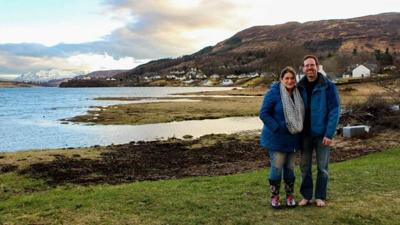
I went on a recent tour with Collette and my tour guide was able to make an Activity level 3 rating work for me despite my chronic knee pain. It was one of their small tours of 14 people that ran for nearly 2 weeks through Scotland.
For example, during a scheduled three-hour walking tour up and down the Royal Mile; I took a hop-on, hop-off sightseeing bus and saw the same things and even some extras. The alternative provided a way to experience the city without completing the walk I could not manage.
During a Glasgow walking tour, the tour manager, Christina, made sure there were frequent opportunities to stop and rest. She also checked in discreetly throughout the trip.
Hotel room assignments were all on the ground floor and near the entrance, so I didn’t have to do stairs or walk a long way.
The itinerary itself had opportunities to experience Scotland while seated. The motorcoach went through the Highlands, passed lochs, castles, sheep farms, and villages, while Christina told us about the country’s history and culture.
At stops, I could choose how far to explore, and depending on the day I would continue with the group, and sometimes I visited a café. I had a lot of choices about how far I pushed myself each day.
Getting specific about support
Those adjustments met my needs, but what if yours are different? Someone using a wheelchair, traveling with a sensory disability, or requiring personal assistance would need a different tour or different support.
Before booking a tour, travelers should be specific about what they can do and not just on their best days. You need to be honest with your tour operator about what you can and can’t do.
Chatting with a tour operator about walking and standing limits, mobility equipment, and bathroom features is a better starting point than a general request for an accessible trip.
Other good questions to ask are: how you’ll board transportation, whether mobility equipment will fit, and which hotel room features are guaranteed. Make sure they will offer hearing assistance if needed, or multiple bathroom breaks.
You also need to know what happens when someone skips an activity. Where can they wait? How will they rejoin the group? This might be better answered by your individual tour guide, but many tour companies can give you that information beforehand so you can be even more prepared.
Finding a workable vacation
Long days or lots of stairs plus cobblestone streets can make for a difficult day if you have mobility issues. Figuring out those issues early gives a traveler a chance to consider a different tour or tour group altogether. There are hundreds of options and dozens of tour groups that might work better for you.
The Scotland trip was a great example of how an alternative excursion and smaller daily adjustments could keep a knee injury from canceling my trip. For others, the necessary arrangements may be more extensive. But they are worth doing.
For someone who has postponed a vacation because of a disability or a change in mobility, it can also provide a reason to begin planning again.