







Photo by RDNE Stock project via Pexels
By Stephen Beech
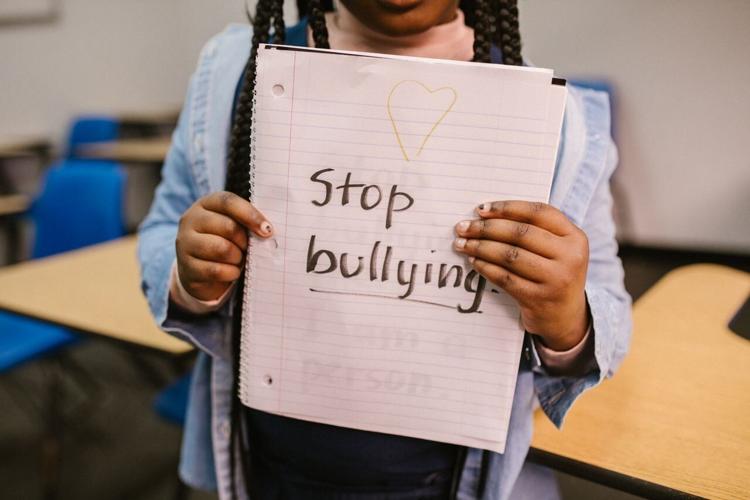
One in six children use or threaten physical force to bully a sibling, reveals new research.
And one in eight 5- to 11-year-olds say they have threatened or bullied a brother or sister to get something, according to the study.
Experts say their findings show sibling aggression is common, and is often dismissed as "normal" by parents - even though it can have long-term negative impacts on the victims later in life.
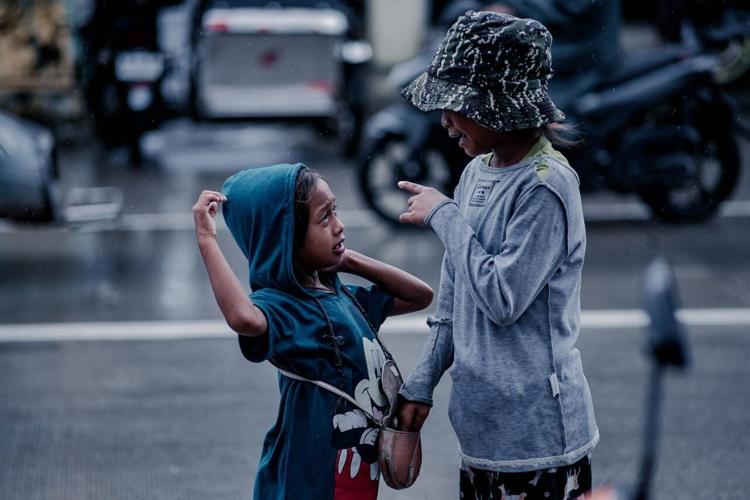
Paula Fite said sibling aggression can take many forms - from punching, shoving or threatening to calling names.
Although sibling aggression is widespread and can shape people for years, she said it hadn't been previously studied well by psychologists.
Fite, from the University of Kansas in the United States, said: "It's been understudied because we just think that it's normal.
"The attitude is, 'Siblings are going to fight, and they're not always going to get along, and it's just a rite of passage.'"

Photo by Towfiqu barbhuiya via Pexels
She and her colleagues conducted an investigation into sibling aggression, based on data from 290 elementary-school children with siblings.
Their findings, published in the Journal of Psychopathology and Behavioral Assessment, show that around one in six youngsters reported using or threatening physical force to dominate a sibling.
And roughly one in eight said they had threatened or bullied a sibling to get something.
Fite says a key takeaway is that moms and dads should take aggression between siblings seriously, even when it seems more like everyday family squabbling.
She said: "Maybe parents see the sibling stuff as normative - but if their kids did that same thing with a peer, parents would feel like they need to do something about it.
"But we actually compared the rates, and sibling aggression is much higher than peer aggression."
The research team classified sibling aggression into two overarching types: "proactive" - where one sibling is aggressive toward another without provocation; and "reactive" - where a sibling is provoked into aggression as retribution.

Photo by Vika Glitter via Pexels
Fite said: "We see that reactive aggression is more common with siblings as well as peers, and part of that, we think, is emotion regulation and trying to build up those skills.
"Reactive aggression is going to be more socially acceptable, that you did it in retaliation as opposed to you did this in some sort of cold-blooded, calculated way."
The researchers emphasized that both functions of sibling aggression can have negative results later in life.
Fite said: "Distinguishing between those subtypes of aggression better predicts outcomes.
"Reactive aggression is associated with feeling bad afterward, and a lot of kids who exhibit reactive aggression demonstrate depression and anxiety symptoms.
"Whereas proactive aggression is more strongly linked to delinquency and substance abuse, in the sense of binge drinking and risk-taking."
Aggression between siblings can also spill outside the family dynamic, according to the study.
The researchers found both subtypes of sibling aggression are linked to peer aggression six months later.
Fite said: "It's certainly related to following aggressive patterns, that you take those same patterns of behavior in the sibling relationship, and that does influence your peer relationships.
"We know it's important to address among siblings, not just wait until they exhibit those problems with peers."
The research team found no difference in reported instances of sibling aggression between boys and girls.

Photo by Darell Dave Rodriguez via Pexels
Fite said: "Once you get outside of the family environment, then you see where boys will be more physically aggressive, specifically.
"But we don't see necessarily within the sibling relationships those gender differences."
She says parents should be mindful of repeated aggressive behavior between siblings, including teasing.
Fite said: "If you talk to some siblings, they'll say that what hurt them the most as a kid is their sibling saying mean things about them, and that can have long-lasting impact.
"So I think for parents, it's important to look at the patterns and have that open dialogue and communication.
"But just to ignore or tell them to figure it out, sometimes they don't have the skills to do that, and they need the instruction and someone to explain to them how to do that."
She says many questions remain about sibling aggression and the developmental trajectories of siblings involved in patterns of proactive and reactive aggression.
Fite added: "I would love to follow the same kids and see how those peer dynamics play out, and then how that's related to more delinquent behaviors.
"That includes early substance abuse and problem behaviors.
"I'd be interested in understanding, for both the aggressors and the victims, who they partner with as far as peer relationships, and what those turn out to be like."