



(Photo by Francesco Lick via Pexels
By Stephen Beech
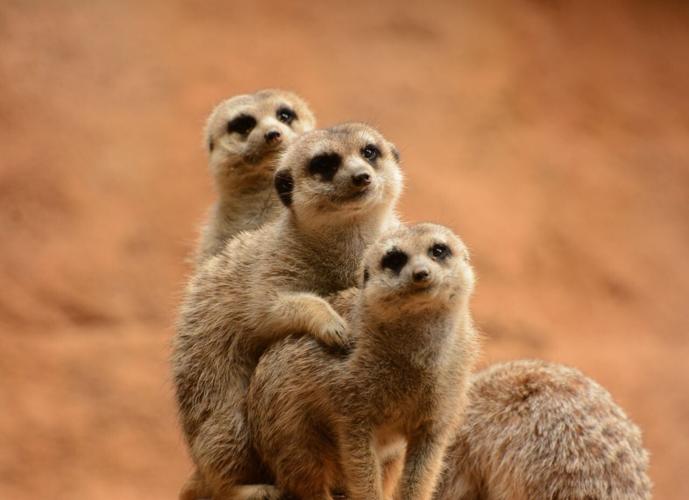
Animals, including meerkats, give out distinct signals before going to war — just like humans, reveals new research.
Social species use a range of "preemptive behaviors" in anticipation of conflict — including staying quiet, monitoring their surroundings, conducting raids and bonding through play, say scientists.
Researchers describe how environmental cues and memories of previous events can trigger such actions in the new study published in the journal Trends in Ecology & Evolution.
They say that, over generations, prewar preparations could impact socio-cognitive evolution, population dynamics and even community structures.
Study corresponding author Andrew Radford, of the University of Bristol, said: "Intergroup conflict is rife throughout the natural world, being found in social species from ants to primates."
Hr explained that conflict over resources such as territory space, food or mating exerts a powerful "evolutionary force" on social species — potentially impacting fitness and survival.
Traditionally, research has focused on actions between rival groups during conflicts and the behavioral consequences afterward.
But Radford says evolution can also select for preemptive behaviors that maximize the chances of winning in a conflict.

Photo by Guerrero De la Luz via Pexels
Study first author Josh Arbon, also of the University of Bristol, said: "What is becoming very clear is that preemptive behavior is widespread whenever intergroup conflict is found.
"There is growing evidence that the amount of anticipatory behavior displayed is dependent on the current threat level.
"More is seen when rivals are more likely to be encountered, larger in size, less familiar, or more likely to attack."
He says humans have long been known to prepare for war by increasing reconnaissance, using elevated areas to gather information, conducting raids and ambushes, and moving stealthily through enemy territory to avoid detection.
And recent studies of wild animals have provided similar examples of preparation for encounters with rival groups.
Radford said: "Studying other species experimentally and in natural conditions can not only expand our understanding of a widespread aspect of sociality but also help to provide insights into our own conflict ancestry."
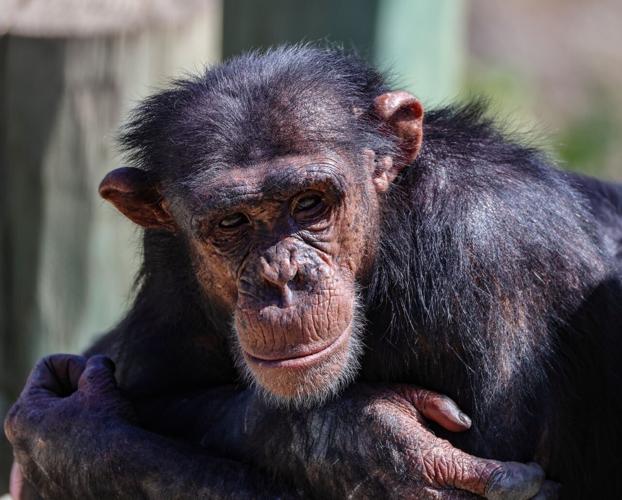
Observations of chimpanzees have revealed that groups tend to rest on hilltops in areas where intergroup contests occur rather than engage in noisier activities such as feeding or traveling.
Experiments have also shown that dwarf mongooses respond to scent or vocal cues of rivals by moving more slowly and engaging in "sentinel behaviors" — which allow them to monitor their surroundings more easily.
The study also suggests that the threat of intergroup conflict can also influence the space-use patterns of animals.
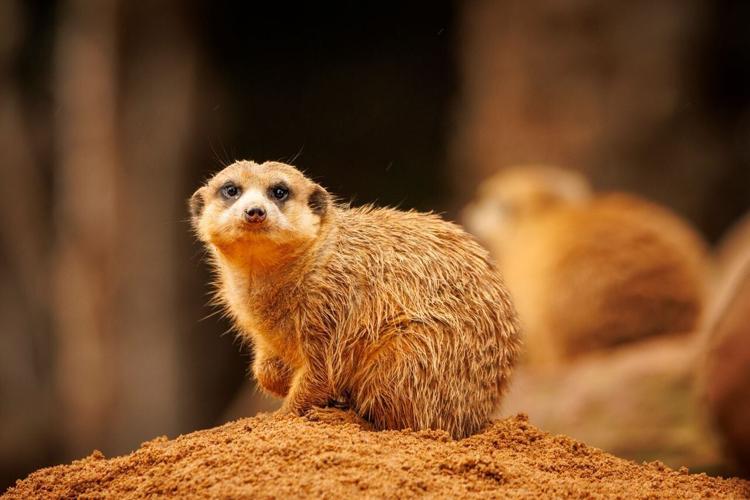
To signal territorial ownership, dwarf mongooses deposit more scent marks in response to simulated rival intrusions, and meerkats tend to scent mark near burrows examined by intruders.
Similarly, black howler monkeys return to locations of previous conflicts, potentially to advertise their presence to neighbors.
In contrast, Japanese macaques, chacma baboons and long-tailed tits avoid areas inhabited by rivals.
The researchers said that a more extreme preemptive behavior is raiding — actively seeking out rivals on their home turf.
For example, male chimps silently invade neighboring territories in single file and move toward other groups' vocalizations, apparently preparing to attack rivals.

Photo by jiju joy via Pexels
Banded mongooses also engage in lethal gang attacks, conducting raids to kill the offspring of rival groups.
When the threat from outsiders is greater, the researchers say various mammal species stay closer to one another.
For instance, chimps groom and play with one another more in advance of collective territory defense.
Arbon says such behavior likely enables communication, reduces anxiety, enhances bonding and promotes a stronger fighting force.
He said: "There is increasing evidence that non-human animals adjust various behaviors to enhance information gathering, incentivize contest participation, reduce anxiety, and minimize collective and individual risk in anticipation of encounters with rival groups.
"What is notable is that these behaviors occur across a diverse range of social species."
The researchers say future studies could examining how animals assess the intergroup threat level and adjust their preemptive behavior accordingly.
Radford said: "Intergroup conflict could be an important social driver of cognitive evolution.
"But this remains an idea that is difficult to test, and teasing apart the relative importance of signals and cues from memories is a challenge."
Arbon added: "To understand fully the influence and importance of intergroup conflict, including for our own evolution, we must study the complete timeline of behaviors, not just those during and after contests but also those that occur in anticipation."