


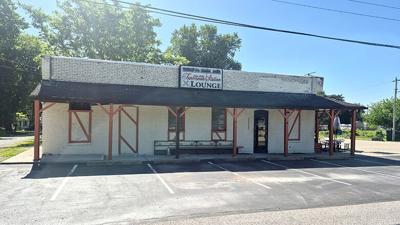
An Arnold bar owner is furious after gaming machines were confiscated from her business as part of Missouri attorney general’s crusade to rid the state of the devices that have been ruled “illegal” by a federal judge.
Tonia Lynn Twardowski, who owns the Tenbrook Station Lounge in Arnold, said gaming machines and money were seized Monday, May 11.
The Attorney General’s Office on Tuesday, May 11, announced that Tenbrook Station Lounge, 2946 Fannie Drive, was one of five businesses in the state that were targeted in a sting operation coordinated with the Missouri State Highway Patrol.
Seven gaming devices and $2,147 were seized from the Tenbrook Station Lounge, which is off Arnold Tenbrook Road, according to the Attorney General’s Office.
“I’m a single mom trying to make a living, and that business has been in my family for 50 years,” said Twardowski, 51, of Imperial. “I am not a criminal. There is no criminal activity.
“Why was I targeted? That is what I want to know. So far, I don’t have any answers.”
The Highway Patrol and local law enforcement seized 35 machines and $58,815 in illegal funds from businesses in the four-county illegal gaming sting operation.
Twardowski has been charged with five counts of misdemeanor second-degree promoting gambling charges. The case is filed in Jefferson County, and an initial court appearance is scheduled for June 17, court records show.
“I will be getting lawyers,” Twardowski said. “I don’t have that money. I am a single mom, just trying to make a living.”
The owners of the other four businesses targeted in the sting operation have been charged with a combined 21 felony counts of first-degree promoting gambling, according to the Attorney General’s Office.
The other businesses that had machines and money seized on May 12 were:
■ Eagle Stop North Providence in Columbia, Boone County, which had four illegal gaming devices and $16,973 in illegal funds seized.
■ Woody’s Pub and Grub in Ashland, Boone County, which had six illegal gaming devices and $8,072 in illegal funds seized.
■ Buffalo Eagle Stop in Buffalo, Dallas County, which had eight illegal gaming devices and $15,638 in illegal funds seized.
■ Bagnell Eagle Stop in Lake Ozark, Miller County, which had four illegal gaming devices and $15,985 in illegal funds seized.
Following investigations by the Missouri State Highway Patrol Division of Drug and Crime Control, the Attorney General’s Office, partnered collaboratively with the Arnold Police Department, Ashland Police Department, Boone County Sheriff’s Office, Columba Police Department, Dallas County Sheriff’s Office, Jefferson County Sheriff’s Office, Miller County Sheriff’s Office, and Lake Ozark Police Department to complete the sting operation.
“This sting operation reflects our shared commitment with the Attorney General’s Office and local law enforcement partners to enforce the law, hold violators accountable and protect lawful business practices throughout Missouri,” Missouri State Highway Patrol Col. Michael A. Turner said in a statement.
Twardowski said the machines that were seized were put in her business on April 1. She said she secured business licenses to operate the machines in Arnold.
The city passed regulations on what were referred to as unregulated gaming machines in November 2024 and amended the rules in May 2025 to allow businesses to have up to five machines, and bars and restaurants to have between six and 12 machines.
According to Arnold’s rules, business owners pay $500 to have the machines in their building and $250 for each machine that is operated in the establishment. The person who operates the machine pays $2,000 for each location that a machine is in.
Business owners also must comply with rules of where the machines are set up in buildings and restrict access to the machines to customers who are older than 21.
A federal judge ruled that unregulated gaming machines were illegal in February, but in March, Arnold officials did not alter the city’s regulations because the federal judge’s ruling was being appealed by Torch Electronics of Wildwood, which the attorney general's office estimates is the company that owns the largest amount of these machines across the state.
Torch announced in April it would shut down all of its machines.
“I did what I thought was OK by going through the proper avenue when Arnold told me to keep those games running,” Twardowski said. “The attorney general did not reach out to Arnold and tell Arnold that they needed to shut down the machines that they have licensed in their city, I guarantee.”
Arnold City Administrator Anthony Traxler did not return a phone call today, May 13, to discuss the city’s unregulated gaming machine licenses.
In the statement announcing the seizures, Attorney General Catherine Hanaway demanded anyone operating illegal gaming machines to unplug, shut down and remove the devices. She also said her office was prepared to go to all corners of the state to eradicate illegal gaming operations.
“We are proud to have partnered with local law enforcement in a sting operation that marks the start of our next phase of enforcement,” Hanaway said in a statement. “My office remains committed to dismantling illegal gaming manufacturers, distributors and retail stores that continue to defy law enforcement.”
Twardowski said she does not watch the news and was not aware of Hanaway’s office cracking down on the gaming machines. She also said the sting operation appears to be a stunt.
“I think the state should get its money by regulating these machines,” Twardowski said. “They shouldn’t be making a name for themselves by hurting people. That is what (Hanaway) is doing.”
Investigation
According to a probable-cause statement filed by the Highway Patrol, a trooper went to the Tenbrook Station Lounge on April 30 to investigate a complaint of illegal gambling devices inside the business.
The trooper was undercover and used a video and audio recording device during the investigation. The trooper wrote that there were five electronic gambling devices and an electronic kiosk in the bar, and the trooper played a game called “Jackpot Buffalo.”
The trooper put $20 into the machine, played several rounds, cashed out with $15 and used a ticket printed out from the gaming machine to collet the money from the kiosk, the report said.
The trooper described the game as one that revealed the outcome of the play, and the player had to pay money to complete that round to either collect a prize or try again to win if the outcome was unfavorable. However, the trooper wrote because there was no guarantee that the play after an unfavorable outcome, or loss, there was no skill involved and that removed the element of chance making the game illegal.
Twardowski said she suspected the trooper was up to something when he was in her bar in April.
“I said, ‘You don’t look familiar, and why are you down here in my area,’” she said. “Of course, he is undercover, and he lied. I sat and talked with him that day.
“When he came in on Monday, I said, ‘I knew you were shady, and there is something off about you.’”
Twardowski said if the trooper would have told her to turn off the devices she would have complied.
“I would have said, ‘Let’s turn them off,’” she said. “I would have said, ‘I thought I was doing right because I had this license from the city of Arnold.’ Had he said that the state supersedes the city and I am going to ask you to turn them off, I absolutely, 100 percent (would have turned them off). I am not a criminal.”
Editor's note: this story was updated at 5:25 p.m.
Illegal gaming machines were confiscated from an Arnold bar as the Missouri attorney general’s crusade to rid the state of the devices resulted in “simultaneous seizures” from five state business following a sting operation.
Seven gaming devices and $2,147 were seized from the Tenbrook Station Lounge, 2946 Fannie Drive, on Tuesday, May 12, during an operation coordinated by the Missouri State Highway Patrol and the Attorney General’s Office. The announcement about the seizures said a tool was needed to drill into a payment kiosk at Tenbrook Station Lounge to determine if the business had collected more money from the machines.
The Highway Patrol and local law enforcement seized 35 machines and $58,815 in illegal funds from businesses in the four-county illegal gaming sting operation.
Tonia Lynn Twardowski, 51, of Imperial is listed as the owner of Tenbrook Station Lounge in court records. She has been charged with five counts of misdemeanor second-degree promoting gambling charges.
The case is filed in Jefferson County, and an initial court appearance is scheduled for June 17, court records show.
Court documents did not list an attorney for Twardowski.
The owners of the other four businesses targeted in the sting operation have been charged with a combined 21 felony counts of first-degree promoting gambling, according to the Attorney General’s Office.
The other businesses that had machines and money seized May 12 were:
■ Eagle Stop North Providence in Columbia, Boone County, which had four illegal gaming devices and $16,973 in illegal funds seized.
■ Woody’s Pub and Grub in Ashland, Boone County, which had six illegal gaming devices and $8,072 in illegal funds seized.
■ Buffalo Eagle Stop in Buffalo, Dallas County, which had eight illegal gaming devices and $15,638 in illegal funds seized.
■ Bagnell Eagle Stop in Lake Ozark, Miller County, which had four illegal gaming devices and $15,985 in illegal funds seized.
Following investigations by the Missouri State Highway Patrol Division of Drug and Crime Control, the Attorney General’s Office, partnered collaboratively with the Arnold Police Department, Ashland Police Department, Boone County Sheriff’s Office, Columba Police Department, Dallas County Sheriff’s Office, Jefferson County Sheriff’s Office, Miller County Sheriff’s Office, and Lake Ozark Police Department to complete the sting operation.
“This sting operation reflects our shared commitment with the Attorney General’s Office and local law enforcement partners to enforce the law, hold violators accountable and protect lawful business practices throughout Missouri,” Missouri State Highway Patrol Col. Michael A. Turner said in a statement.
In February, a federal judge ruled that unlicensed gaming machines, which are often found in convenience stores or bars, are illegal. Torch Electronics of Wildwood, which the Attorney General's Office estimates is the company that owns the largest amount of these machines across the state, announced in April it would shut down all of its machines.
“We are proud to have partnered with local law enforcement in a sting operation that marks the start of our next phase of enforcement,” Attorney General Catherine Hanaway said in a statement announcing the seizure of the machines. “My office remains committed to dismantling illegal gaming manufacturers, distributors, and retail stores that continue to defy law enforcement.”
In the statement, Hanaway demanded anyone operating illegal gaming machines to unplug, shut down and remove the devices. She also said her office was prepared to go to all corners of the state to eradicate illegal gaming operations.
Tenbrook Station Lounge
According to a probable-cause statement filed by the Highway Patrol, a trooper went to the Tenbrook Station Lounge, which is off Arnold Tenbrook Road, on April 30 to investigate a complaint of illegal gambling devices inside the business.
The trooper was undercover and used a video and audio recording device during the investigation. The trooper wrote that there were five electronic gambling devices and an electronic kiosk in the bar, and the trooper played a game called “Jackpot Buffalo.”
The trooper put $20 into the machine, played several rounds, cashed out with $15 and used a ticket printed out from the gaming machine to collect the money from the kiosk, the report said.
The trooper described the game as one that revealed the outcome of the play, and the player had to pay money to complete that round to either collect a prize or try again to win if the outcome was unfavorable. However, the trooper wrote because there was no guarantee that the play after an unfavorable outcome, or loss, there was no skill involved and that removed the element of chance making the game illegal.