


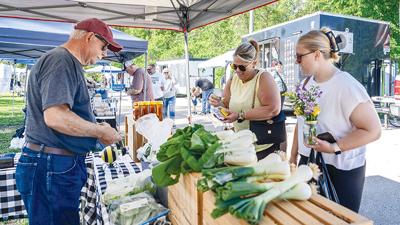

Any time a foodborne illness is in the news, many people have questions about what they can do to ensure their family’s safety. With conflicting information abounding online, it’s hard to know what advice is correct and which is rotten.
Recently, cyclosporiasis, an intestinal illness caused by a microscopic foodborne parasite, has had an outbreak in the United States which has reached Jefferson County. While generally not life-threatening, it can cause prolonged and severe illness, lasting from several days to more than a month.
According to the University of Missouri Extension Office, people typically become infected with cyclosporiasis after consuming water or fresh produce, such as cilantro, parsley, lettuce, spinach, green onions, salad mixes, snow peas, raspberries, blueberries and blackberries, contaminated with human feces containing the parasite. Contamination usually occurs in the field through fecal-contaminated irrigation water, poor worker hygiene, inadequate sanitation practices and the use of contaminated or improperly treated manure.
Symptoms usually begin about a week after exposure and include watery diarrhea, fatigue, loss of appetite, cramping, weight loss, nausea, body aches and fever. Most people with healthy immune systems recover without specific treatment.
MU Extension staff recommends you can help prevent cyclosporiasis by: washing your hands thoroughly with soap and clean water before eating, preparing food or handling fresh produce; washing all fresh fruits and vegetables thoroughly under running water before eating or cooking; prevent cross-contamination by keeping fresh produce separate from raw foods; and using clean utensils, cutting boards and food-contact surfaces.
What you need to do
While the United States has had a recent outbreak, cases of cyclosporiasis occur every year. Many people wonder what to do during a food outbreak, such as cyclospora, listeria, salmonella or E. coli.
Brianne Zwiener, Jefferson County Health Department’s public information officer, says some simple steps can reduce your chances of ingesting contaminated food.
“The good news is that most outbreaks come with specific guidance, and a few simple steps can help keep your family safe. First, get your information from trusted sources. The Centers for Disease Control and Prevention (CDC), Food and Drug Administration (FDA) and FoodSafety.gov provide current outbreak and recall information, including which products are affected, brand names, lot numbers and where they were sold.”
Zwiener said free outbreak alerts and recall notifications are available by signing up through recalls.gov, the FDA or USDA food safety email services.
Zwiener said many people wonder if they need to throw everything out of their refrigerator when there’s an outbreak.
“If you have a recalled food at home, do not eat it. Check the recall details carefully,” she said. “If the product matches the recall notice, follow the instructions provided. In most cases, consumers should either throw the product away or return it to the store for a refund.”
Zwiener said other produce in the refrigerator does not typically need to be thrown away. If the recalled food touched other foods or surfaces, clean those areas, she said. The FDA recommends washing refrigerator shelves, drawers, cutting boards, countertops and utensils with hot, soapy water, then sanitizing them with a solution of 1 tablespoon of bleach per gallon of water.
Zwiener said people should always remember the four basics of food safety: clean, separate, cook and chill.
“Wash fruits and vegetables under running water before eating, keep produce separate from raw meat, cook foods to safe temperatures and refrigerate perishable foods promptly,” she said.
If foods are labeled as “prewashed” or “ready-to-eat,” that additional washing is not recommended and may actually increase the risk of cross-contamination in your kitchen, Zwiener said.
Food recalls can be unsettling, but they are also a sign that our public health and food safety systems are working, she said. Consumers simply need to stay informed and take food safety seriously.
“Paying attention to recall notices and taking quick action can go a long way toward protecting yourself and your family,” she said.
What to do when favorite foods are under a recall?
Annie Heggemann, clinical dietician at Mercy Hospital Jefferson, said food safety is always of the utmost importance, especially for pregnant people, children and the elderly.
“We do really want to make sure that we’re cooking our food properly to kill those bacteria,” she said.
Heggemann said people should not shy away from other vegetables out of caution when there are recommendations to stay away from certain vegetables, such as iceberg lettuce.
“We need to make sure we are getting enough fruits and vegetables in,” she said. “Because we are having an outbreak, it just means we need to be practicing food safety a little bit more. It doesn’t mean we need to be avoiding whole food groups because our fruits and vegetables have all types of micronutrients and fiber in them to help us.
“So maybe stay away from some lettuces, but still try to get in your vegetable intake somewhere else,” she said. “We can be cooking our leafy greens. Adding spinach into sauces is a good example of a way to get a vegetable in safely.”
Heggemann said it’s recommended that the average adult gets three cups of vegetables per day in their diet, but most Americans are getting about one.
“The gap is very wide there,” she said. “There’s a lot of demonization around certain foods, but any way you could get in those vegetables, whether it is canned or frozen, is really an improvement. Any vegetable you want to eat is a great vegetable. Americans really don’t eat enough vegetables. Any type you want to eat, whether that is leafy greens, green beans, zucchini, onions, mushrooms, anything like that, is a great way to get vegetables in. We promote vegetable intake.”
Heggemann said canned and frozen fruits and vegetables can be a good option because they are cheaper and because they are prepared so far ahead in advance that they are not typically affected by current food outbreaks.
“Typically, those are frozen much farther in advance than the current outbreak, so typically those are safe. Again, to make sure everything is completely safe, I would still recommend cooking it,” Heggemann said.
Using dried herbs is a great substitute for those that are often affected by outbreaks, such as cilantro and parsley, she said.
“They have really tiny leaves that are really hard to clean properly, so the dried option is always great. Plus, it’s cheaper, and it lasts longer.”