


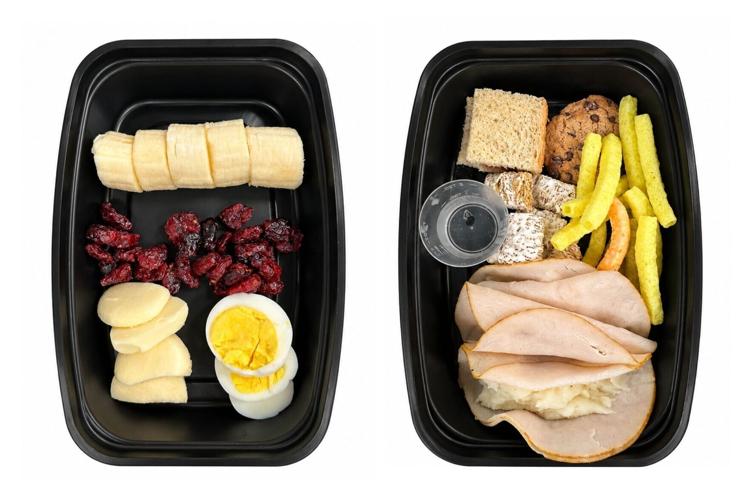








Researchers at Virginia Tech's Fralin Biomedical Research Institute at VTC found that two meals with the same carbohydrates, fats, proteins, water, caloric, salt, and weight but that differed in their level of processing produced different metabolic responses. (Zach Hutelin / Virginia Tech via SWNS)
By Stephen Beech
Processed food influences brain activity as well as metabolism, reveals new research.
Scientists were surprised to find that minimally and highly processed meals — nutritionally matched on calories, carbs, fats, proteins, water, salt and weight — produced "distinct" metabolic responses.
The ultraprocessed meals prompted the body to release more insulin and expend more energy while burning less carbohydrate for fuel.
They also evoked different responses in the part of the brain involved in motivation and reward, according to the findings published in the journal Nature Metabolism.
The American research team says the results suggest that food processing may affect how the body and brain respond to food in ways that go beyond carbohydrates, fat and protein.
And they could help scientists understand why ultraprocessed foods have been associated with overconsumption and long-term health effects.
Ultraprocessed foods, or UPFs, are ready-to-eat-or-heat items made with ingredients extracted from foods or synthesized in labs, with little or no whole foods in their composition.
They usually have longer shelf lives and can be highly appealing and convenient.

Alexandra DiFeliceantonio is a neuroscientist who works to understand the basic mechanisms of food choice — why we eat what we eat. (Virginia Tech via SWNS)
But they are high in added sugar, fat and salt, and low in protein and fiber.
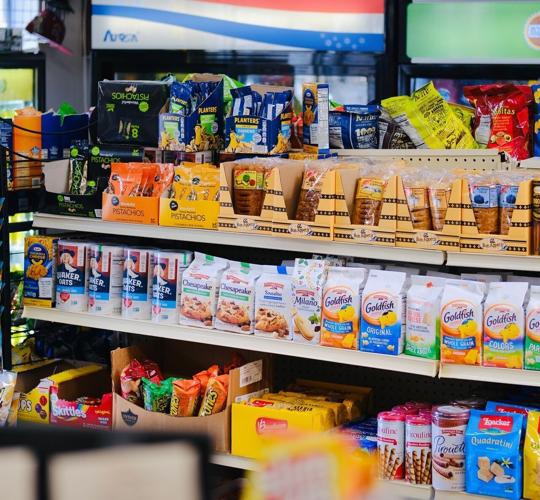
Common examples include bacon and sausages, breakfast cereals, ham, burgers, ice cream, chips, mass-produced bread, canned baked beans, cookies, fizzy drinks, fruit-flavored yogurts, instant soups, and some alcoholic drinks.
Previous studies have found that the combination of sugar, fat, salt and carbs in UPFs affect the brain's reward system, making it hard to stop eating.
And diets worldwide are shifting to include more UPFs.
Alex DiFeliceantonio said: "People who consume large amounts of ultraprocessed foods have higher rates of poor health outcomes — obesity, cardiac events, Type 2 diabetes, and even some metrics of mental health."
While UPF have been linked to disease, the mechanisms connecting processing with their health outcomes and overconsumption are less understood.
DiFeliceantonio, whose lab at the Fralin Biomedical Research Institute in Virginia led the study, said: "We know that the majority of ultraprocessed foods are high in fat, they're high in sugar, they're low in fiber, and they're low in protein.

(Photo by Gnosis Producciones via Pexels)
"But if we artificially hold all of those things constant, is there something about the processing that leads to a different outcome?"
The team recruited 57 healthy adults between 18 and 45. Of those, 32 completed both the brain functional magnetic resonance imaging and the metabolic sessions.
Each participant ate both types of meals in separate sessions, with three or more days between sessions, allowing researchers to compare how the same person responded to each meal.
To examine metabolic effects, participants arrived at the testing site after fasting overnight.
They climbed onto a twin-size bed in a metabolic chamber — a sealed, airtight room used to measure human energy expenditure and metabolism.
An hour later, participants were given 10 minutes to eat either a minimally or highly processed meal of 300 nutritionally matched calories.
The highly processed meal included a bite of peanut butter and jelly sandwich, deli turkey, veggie chips, a cookie, cereal, instant mashed potatoes, and a little bit of water.
The minimally processed meal included a sliced banana, dried cranberries, cheese and egg.

Zach Hutelin, a researcher conducting experiments at the metabolic kitchen at the Fralin Biomedical Research Institute and the study’s first author, said the two meals are matched within 1 percent of carbs, fat, proteins, calories, water, and salt. (Virginia Tech via SWNS)
Study first author Zach Hutelin said: "The two meals are matched within 1% of carbs, fat, proteins, calories, water, and salt.
"If these meals had a nutritional label, they would be practically identical."
Blood samples were taken again immediately after the meal, then six more times over the next three hours.
The research team measured post-meal metabolism, including insulin response, energy expenditure and carbohydrate oxidation.
Hutelin said: "We were shocked when every single metabolic metric differed.
"What we noticed with the ultraprocessed food is that insulin response was much higher and blood sugar stays a little bit higher for a little bit longer."
Chronically elevated blood sugar increases the risk of conditions including diabetes.
DiFeliceantonio wanted to see if the metabolic response to the meals connected to the brain's response to food cues.
On a separate day, participants viewed pictures of nutritionally matched highly and minimally processed foods while undergoing functional MRI.
The scan measures brain activity by tracking changes in blood flow across different regions of the brain.

(Photo by Sulav Jung Hamal via Pexels)
The foods served during the metabolic tests were among those shown in the pictures.
While viewing each food, participants reported how much they would be willing to pay for it.
That let researchers compare how participants' subjective value of the foods corresponded with their brain activity.
One notable result involved the ventral striatum and nucleus accumbens, part of the brain involved in learning, motivation and reward.
Differences in how participants burned carbohydrates for energy after each type of meal were linked to differences in how their brains responded to pictures of food.
Participants did not say they were willing to pay more for the ultraprocessed or minimally processed foods.
But the results suggested that metabolic differences produced by food processing are related to differences in how the brain responds to food cues.
Commenting on the findings, Brazilian epidemiologist Carlos Monteiro said: "A key debate in the literature is whether UPF associations with poor health outcomes are driven by nutrient composition rather than processing.
"This is a novel and important contribution, as the brain ultimately regulates eating behavior."
DiFeliceantonio wants to study different populations, longer time periods, bigger meals and more pairings of minimally and highly processed foods.
She added: "We want to examine specific factors, such as commercial additives or specific processing steps, that might lead to different metabolic responses."