



The possibility of a data center coming to Festus has been the hot topic over the past few months, ever since the city’s officials began taking actions to prepare for the possibility of a data center being developed in the area.
The Festus City Council passed data center regulations in October, and in November, the council agreed to annex and then rezone land where the potential data center may be built.
During that time, officials told residents that the city had received no specific plans for a data center. However, documents released following Sunshine Law requests seemed to tell another story.
Those records showed that city officials and executives with CRG, a data center developer pushing to build a data center in Festus, had exchanged numerous emails over several months, all before the public learned about the proposed data center project.
The emails also showed that city leadership held closed-door meetings with CRG, but with only one or a small number of council members at a time to avoid having a quorum, which would have required the city to let the public know about those meetings. Among those emails was a discussion that Missouri Gov. Mike Kehoe was willing to make phone calls to City Council members to nudge any who might have been reluctant to approve a pivotal vote in the process.
So, when city officials said there was no plan for a data center when they first started getting asked about it, I guess it depends on your definition of a “plan.”
Were city officials taking meetings with CRG to discuss the possibility of a data center and what it would entail? Yes. Were city officials conducting research to find out if city infrastructure could accommodate a data center? Yes. Did they have a set of building plans, electrical plans, site layouts or environmental reports for an exact data center in front of them? No.
While they may not have had blueprints to look over, it certainly seems there was preparation going on for the eventuality of CRG building a data center in Festus.
I do think part of any city official’s role is to vet businesses that may come to the area. I’m sure city officials frequently research potential businesses, never to see them come to town.
I don’t think it’s necessarily a bad thing to keep those early discussions with developers or business owners close to the vest, especially when it’s early in the process and nothing is set in stone. Why get people excited for the plans to fall through, as they often do?
However, I think Festus took a misstep by not sharing the fact that it was talking to a specific data center developer once the public started asking questions. It would have been easy to show transparency and say, “Yes, it’s something we are discussing, but we are still in the research phase to see if the data center CRG has proposed is something that would benefit our city and if it’s something residents want.”
A data center is no small potatoes and has the potential for long-term impacts to the environment, utilities and nearby residences. Many people have concerns about data centers causing too much noise or using too much water. Supporters say new data centers aren’t noisy and use closed-loop systems that reuse water.
Hypothetically, let’s say I believe supporters about both those concerns. There is still one concern I don’t believe has been adequately addressed – the enormous amount of electricity data centers use, sometimes more than entire cities.
Ameren has been saying it can handle the amount of power a data center in the area would need, but I’m not sure I believe them.
Just this past summer we had a brutal heat wave with many days with temperatures above 100 degrees. During those hot afternoons, the power at my house flickered every few minutes with the electrical grid struggling to keep up with the power demand from everyone’s air conditioning.
Now, Ameren wants me to believe they can handle a data center on top of a heat wave without my service being affected and without costs skyrocketing. I certainly don’t want to find out that Ameren can’t handle it after all during the next extreme heat wave. If the power fails during a heat wave, people can die.
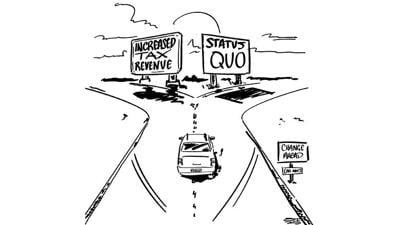
But even if we knew a data center would cause absolutely no harm, the city still needs to show residents how a data center will benefit them. City officials have said the city could be rolling in tax revenue if a data center comes, which, I have doubts about since data center developers often receive tax abatements and exemptions.
However, I could be convinced if given adequate information.
If data centers are so great and are going to be such a boon to our community, then show us the towns where they exist and the residents who love them. Show us that those residents’ utility bills haven’t skyrocketed.
Also, show us all the community centers, public libraries and parks that are being built with the tax dollars that are flooding in.
Another claim data center opponents have made is some version of “city officials are getting their pockets lined.” To that, I say, bull hockey. I believe most people who work for Festus and who serve on the City Council do so because they love the city. Many of these people have held those positions for years, quietly representing the residents with little fanfare, trying to make what they believe are the best decisions for residents.
I think they simply have a different opinion right now about what the best plan for Festus is. They’re sold on the idea of tens of millions of tax dollars coming in, and sure, if that comes to fruition, it could have a profoundly positive impact.
But is tax revenue the most important factor in these decisions? Even if it turns out a data center is a financial boon for Festus, it still might not be what residents want.
Who should decide the future of Festus, or any town considering a data center? Should it be left up to a small group of representatives, or should everyone have a voice?
Either way, residents deserve a transparent process going forward.