


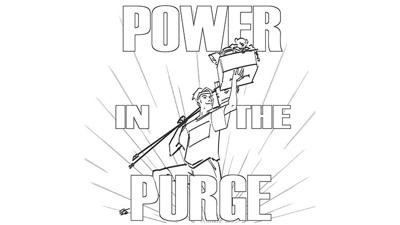

There is power in the purge.
No, I’m not talking about the message of a purge found in sci-fi films that are packed with violence, suspense and jump scares. These dystopian stories shed light on the inherent darkness that can exist in humanity. The purge represents a system where the wealthy maintain their comfort by sacrificing the poor in a sort of ritual sacrifice that sanctifies violence and unifies the nation through blood offerings.
The purge that’s on my mind these days centers around ridding myself of things that really provide limited to no value in my life.
Decluttering is front of mind for me these days as I watch my sister prepare to move from her home of more than 30 years to a new, smaller home. For months, in anticipation of the move that’s coming, she has religiously been making lists, creating piles of unwanted things and then giving them away to friends, family or donation centers.
As she’s done that, it’s reminded me of our shared history of purging. Several years ago, she and I teamed up to clean out and clear out our parents’ home after the death of our father. We knew the purge was coming; my sister, father and I had actually talked about it when it was a far-off problem we would face. During those conversations, my father would survey the piles of things stacked throughout his house, garages and attics. With a wicked sense of humor, he would deadpan, “I always hoped to get to this stuff, and get rid of it. But now, I guess this will be your inheritance!”
While I know it weighed on his heart, I also knew he trusted my sister and I could band together and tackle what life had just prevented him from being able to complete. And we did; she and I spent a summer methodically going through a lifetime of things that our mom and dad had accumulated. We decided what we wished to keep, what we wished to donate or sell, and what we would throw away.
Now a few years later, I’m reminded of that shared experience as well as the relief we felt from decluttering and purging. As my sister’s move becomes more of a reality, I see the stress and anxiety she has been carrying the past months melt away, and I see a more positive persona that’s focused more on the future and less on the past.
It’s a transformation we all could and should strive to achieve.
Several studies show a correlation between disorganization, clutter and mental health conditions, including depression, anxiety and stress. Put simply, messy environments can cause frustration, helplessness and feelings of being overwhelmed.
The act of purging and decluttering can reduce that stress and anxiety by creating a more organized environment, improving your focus and productivity by minimizing distractions, increasing space and functionality in your home or office space and by encouraging us to identify what we truly need.
Too often, the biggest obstacle to achieving this goal is getting started and avoiding feelings of being overwhelmed. The best defense can be a simple plan of action.
■ Start small; set manageable goals. Tackle one task or one pile or one room at a time, Psychology Today advises.
■ Ask for help; family members or friends may be able to help discern what should stay and what should go, and then make it happen.
■ Find a new way to honor memories: Giving away sentimental items can feel like giving up a piece of our identity or our past. Take a picture of that item that carries a sentimental value and you can still have a connection to it.
■ Decide what you are going to do with unwanted items. Your goal could simply be to get the items or events out of your house and into the hands of someone who really needs them. Donations to homeless shelters or donations centers can help you achieve those goals.
■ Tread carefully: For those of us surrounded by too much clutter, it can be a source of embarrassment or leave us overwhelmed to the point of paralysis. There may be fears of judgment from family, friends or society regarding one’s living conditions. That can lead to a sense of shame tied to a perception of a lack of control over our possessions and even our lives.
To counter those feelings, friends and family can listen without judgment to understand the person’s feelings and motivations. That can lead to open conversations about the person’s belongings and the reasons for keeping them. And then that can lead to a situation where you may be able to help sort items to be kept, donated or discarded.
Celebrate the small victories and encourage them to stay on the path to a more ordered life that is more focused on the experience of the future, rather than the burdens of the past.
While material possessions can provide a temporary satisfaction, they can lose value over time. But experiences often lead to lasting memories and personal growth. Those are things of true value.
When I think of my connection to my father, it’s those memories and experiences we shared that I treasure, not the items I inherited from his estate.
As we walk the short life path we are all on, let’s be discerning and know where the real treasure lies for us and those we leave behind. When you’re gone, your family should be able to spend their bereavement time grieving you and remembering the good times, not cleaning up your unwanted junk. Sometimes the best thing you can leave for your kids is nothing.
Nothing to purge, nothing to clean and nothing adding unnecessary stress.