

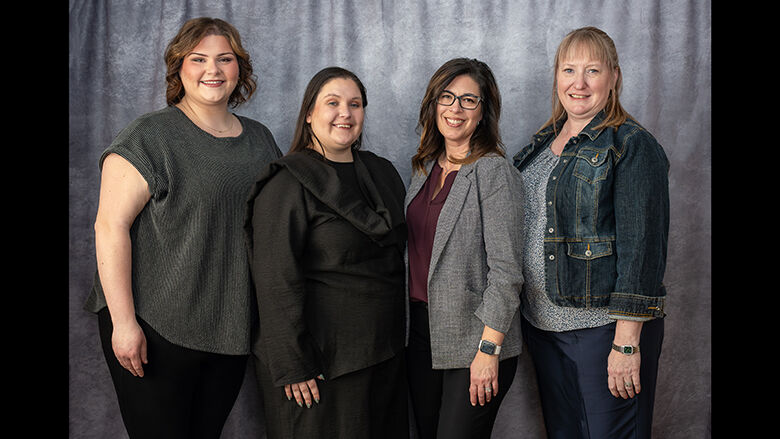
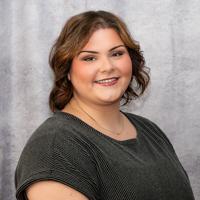
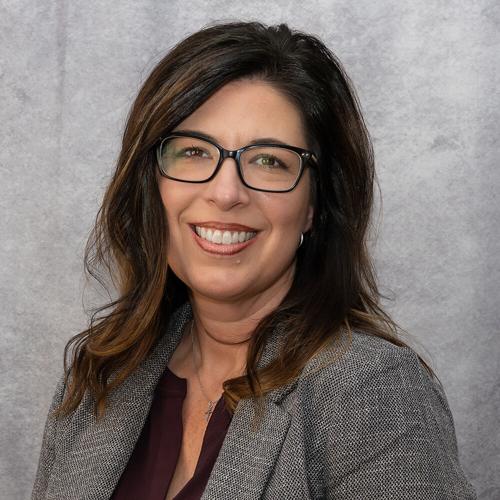
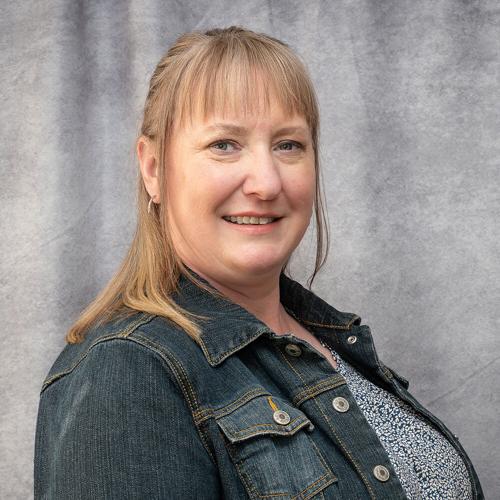
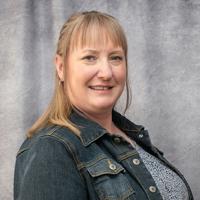
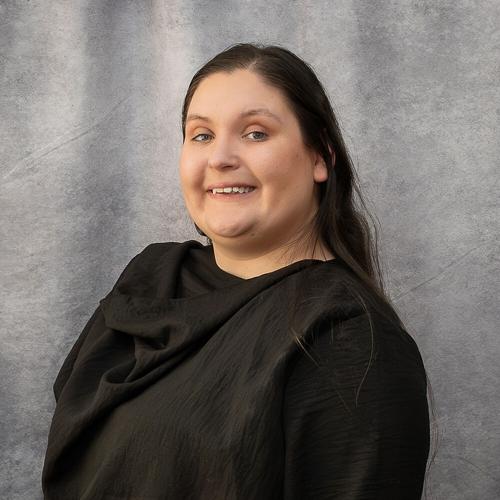
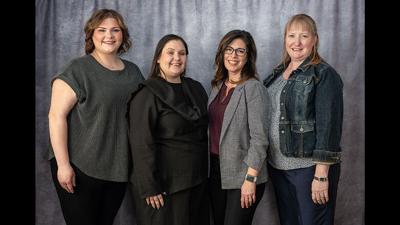
Four Jefferson County women will receive the second round of Leader Publications’ Women of Impact awards during the annual Celebrating Women event set for Friday, March 6. The honorees this year will be Alexis Counts of Imperial, Jannah Oppermann-Budt of Festus, Karin Kostich of Arnold and Taylor Miller of Hillsboro.
This year’s event will be held 6-10 p.m. at the Marquee on Main, 516 Bailey Road, in Crystal City. Tickets are $40 per person and include a dinner catered by Kettelhut’s Smokehouse, an open bar, dessert and games.
“Tickets are basically sold out,” said Katelyn Mary Skaggs, the Leader’s advertising manager. “If you would like to attend, please call the office to be put on a waitlist and we’ll try to get you in.”
She said while the event is about celebrating women, the event is open for women and men alike.
This year’s theme is “Boots and Bling,” and attendees are invited to dress in a way that combines jewelry with western wear.
“Think of rhinestones meet cowgirl,” Skaggs said. “You may dress up in jeans and jewels, you may put on a fancy dress and some boots, whatever makes you feel like a fabulous cowgirl.”
Women making an impact
This is the second year for the Leader’s Women of Impact awards.
The awards recognize local women who are dedicated to positively impacting their communities, often without being noticed. The awards provide an opportunity to celebrate hardworking women who may not typically receive public recognition, but whose behind-the-scenes contributions make a lasting difference, Skaggs said.
Inaugural winners have a history of volunteering for causes related to homelessness, food insecurity, mental health, addiction and more.
This fall, readers were asked to nominate women who have made their communities thrive. A committee made up of last year’s winners – Kim Byerly of Imperial, Jackie Greer of Hillsboro, Janet Monsen of Pevely and Debbie Staufenbiel of Arnold – reviewed nominations for 35 women and picked four to honor this year.
Some of the women were nominated several times. Nominations detailed the women’s occupations, community service work, how they have impacted the community and why they deserve to be nominated. Nominations for those not chosen will be kept on file for consideration for up to three years. The four winners of this year’s event will make up the selection committee for next year’s winners.
“Last year’s winners did an excellent job,” Skaggs said. “We love the concept of winners picking the next year’s winners. We snagged the idea from another newspaper that did this for another contest. It’s the ultimate way women in our community are supporting each other.”
Skaggs said she is very excited to celebrate all women in the community at the event, specifically the four who will receive awards.
“I encourage you to join us for our third year of Celebrating Women,” she said. “It is a warm and welcoming event where the majority of guests are women, and you will have a good time.
Event sponsors
Similar to previous years, the Twin City Area Optimist Club is the title sponsor for the event.
Other sponsors include Dinner Sponsor: McCain’s Towing; Bar Sponsor: Hopson Lumber Co.; Dessert Sponsor: Nothing Bundt Cakes; Music Sponsor: Ashley’s DJ & Karaoke; Inspiration Sponsor: Pippin Towing and Recovery; Award Sponsor: Axiom Design and Engraving; Lounge Sponsor: Genuine Appliance & Furniture; Games Sponsor: Shelley Ungerank ith Rooted Real Estate & Aution Co.; Photo Sponsor: Dance Art Dance Studio; Impact Sponsors: ForeverMoore Collective, Realtor Dee Pesek, Town & Country Bank and Party Paws Petting Zoo; and Champion Sponsors: Phyllis Neff with Mary Kay, Renee Reuter, Comfort Cabinetry and HSB Advisors.
A raffle for charity
All proceeds from the event’s 50/50 raffle will benefit the event’s charity partner, Monarch Jewelry, a local organization which creates and sells jewelry and accessories to raise awareness and funds for victims of sex trafficking.
“They collect old jewelry and craft new jewelry, and sell it to raise awareness funds to fight sex trafficking and child sexual exploitation,” Skaggs said. “Monarch Jewelry is based out of south St. Louis County, but many of the women who help run the organization are from here in Jefferson County, and they do a ton of good work. Sex trafficking, unfortunately, targets women the most, and the Leader always makes sure we pick a charity that will have a helpful impact for women.”
Skaggs said Monarch Jewelry will sell jewelry at the event. Donations of new and old jewelry also will be accepted at the event or at the Leader office.
The organization takes donations of new, old and broken jewelry to help in its mission. All jewelry, from costume to fine jewelry, is welcome, including earrings, necklaces, bracelets, brooches, chains, silver-plated flatware, crystals from chandeliers, jewelry supplies, beads, broken gold and silver.
For more information about Monarch Jewelry, visit monarchjewelry.org.
Kostich receives most nominations for work with unhoused
One meal can change a life.
Karin Kostich, 49, of Arnold, knows the difference a meal can make through her work as the founder and executive director of the James II Project.
Kostich received an impressive 18 nominations for the Women of Impact awards for that work.
The James II Project offers free lunches to the unhoused and those in need from 11:30 a.m. to 12:30 p.m. on Tuesdays and Thursdays at the Jefferson County Salvation Army and from 11:30 a.m. to 12:30 p.m. every Monday at the First United Methodist Church of Festus-Crystal City, 113 Grand Ave., in Festus.

Karin Kostich
Kostich said she has always felt that God was calling her to meet people where they are and provide a meal to those who are unhoused or underprivileged. She said she was serving as the director of the food pantry at her church when she felt that there should be a place for people to have a meal with others and be able to have their stories heard, to be treated with dignity and encouragement and to be known by name.
“Sometimes they don’t hear their name for a long time when they’re unhoused,” Kostich said.
In February 2023, Kostich felt compelled to reach out to the Salvation Army in Arnold.
“I’d never been to the Salvation Army in Arnold. I didn’t even know it was here. And I reached out, and I met with the director, and we started talking.”
Kostich said the director offered to give her a tour of the building and she found they had a kitchen in the building which had not been used for three years. She said she was excited to see the kitchen was already stocked with dishes, glassware and silverware, and thought it would be a great place to start providing meals.
“He said, ‘When do you want to start?’ So that’s kind of how it all began,” Kostich said.
Kostich said the first meal James II Project offered had just three attendees and has since grown to 40-60 attendees at each meal at Arnold and 30-40 at Festus.
The James II Project has since been able to add on additional services, such as laundry and showers, as well as putting diners in touch with needed services.
“While people are at our meals, they’re able to connect with organizations that can help them out of the situation that they’re in,” Kostich said. “We have Compass case workers, Chestnut Health workers, Catholic Charities and St. Vincent de Paul heavily involved in our meals. When we’re at the Salvation Army, we can get people set up with an appointment to speak with a case worker there. We also have the resource guide from Jefferson County Health Department to reach out to other organizations that may not be able to send a representative to our meals.”
Kostich said the group has also been able to help people with getting new birth certificates, Social Security cards and IDs. Without those items, they are unable to obtain employment, cash a check, open a bank account or stay at a hotel.
“It’s a huge barrier,” Kostich said.
Kostich said the group has seen 15 people be able to get into housing since they started their meals.
George Herrera, James II Project board member, said he nominated Kostich for her hard work and the care she shows for others.
“Karin treats every person she encounters with grace, respect and genuine care. Her work restores dignity, builds community and offers hope where it is desperately needed,” Herrera said. “Karin also invests deeply in individual relationships. She listens attentively to the needs of those who come for support and takes the initiative to connect them with appropriate resources. Her quiet advocacy and consistent presence have built trust with some of the most vulnerable members of our community.”
Herrera said many of Kostich’s efforts happen behind the scenes where it’s not always noticed, such as managing volunteer teams, coordinating with community partners, securing food and supply donations, planning meals, overseeing food preparation and cleaning up.
“Her dedication often means she is the first person to arrive and the last to leave, ensuring that every guest experiences a safe, welcoming, and well-organized environment,” Herrera said.
Fran Nicholson, a James II volunteer, said she nominated Kostich for the service she provides with respect, friendliness and acceptance.
“During lunch, Karin mingles and dines with our neighbors, always looking for a way to improve the basic needs of their lives,” Nicholson said. “Our neighbors enjoy attending these events where they can sit at a nicely ‘dressed’ table with real dishes, glassware and silverware. They enjoy visiting with other neighbors and with the volunteers who serve them.”
Kostich said the James II Project is so important because she has had several people come in for just one meal and with the help they were able to receive were able to turn their lives around. Kostich said one man came for a meal and was able to be referred to Adult Teen Challenge and he is now doing well.
“That was the first time we ever met him. He came in. We supported him. We got him through the few days he had to wait to go there, and now he’s thriving, and he’s going to make an impact when he gets out of the program. So one meal can change a life, and every single person deserves dignity,” she said.
Kostich said the James II Project always needs volunteers. Those interested should call 314-675-0375.
Counts helps survivors of domestic violence
Not every survivor of domestic violence has a support system they can lean on.
Alexis (Lowery) Counts' mission is to change that.
The 25-year-old Imperial woman was selected as a Women of Impact award winner for her work as the president of Mary Daniels Foundation, which serves the Jefferson and Franklin County survivors of domestic violence. The foundation provides resources and financial assistance to survivors working with survivor advocates. The Mary Daniels Foundation is named for Count’s mother, Mary Daniels, who was murdered by her estranged husband in 2010.

Alexis (Lowery) Counts
Counts was nominated by her friend Kristy Neuman, who was also Mary’s best friend.
“Alexis leads our organization to be able to assist the many survivors in our county with many of their basic needs in what is most often very difficult situations for the survivors and their children,” Numen said. “It gives many survivors the hope that they need.”
Counts does her work for the Mary Daniels Foundation on a volunteer basis. Professionally, she is a Domestic Violence Intervention Partnership Advocate at the Crime Victim Center in St. Louis.
“I work directly within a domestic violence detective unit, and I work with the victims of St. Louis County, providing crisis intervention information about the justice system and any resource or referrals that they might need, whether that be housing assistance counseling, and just try to get what they need immediately, to make sure that they’re safe,” Counts said.
“Alexis pours her heart into serving survivors of domestic violence,” Neuman said.
Counts said the Mary Daniels Foundation launched an application available to survivor advocates and allied professionals in Jefferson and Franklin counties, which allows them to apply on behalf of survivors for whatever basic needs they may have. Counts said needs can include rent or mortgage payments, legal fees related to orders of protection and other costs due to victimization.
“It’s pretty specific in relation to how someone was victimized and what they need to start over,” Counts said.
Counts said in 2025, the Mary Daniels Foundation was able to provide almost $50,000 directly to survivors, helping about 26 victims.
Counts said the foundation is able to provide these funds through a combination of fundraising and grants. Last year, the Jefferson Foundation gave the Mary Daniel’s foundation a $25,000 grant to provide basic needs services to survivors of domestic violence.
Counts said the foundation also has two yearly fundraisers, the next of which will be a trivia night taking place on April 18 at the Festus Elks. Counts said early bird tickets can be purchased now until the end of February for $25 per person. After the beginning of March, tickets will be $30 per person.
Tickets can be purchased on the Foundation’s Facebook page, Mary Daniels Foundation.
Counts said she felt very honored to be chosen as a Woman of Impact because she is not someone who typically seeks recognition.
“We really do this because we have a passion for it and we care about it, and we are not people of the spotlight. We’re very happy to be the people that are in the background, making things work and making it happen.”
Counts said she hopes that her selection for the award brings light to services that those in need might not know exist.
“So many survivors and victims don’t know that help is out there, and so even though we’re not first response to them, just knowing that there’s agencies in the community to help is appreciated,” Counts said.
Counts said letting survivors know that help is available is important to her because while she had a great support system after her mother’s death, she knows not everyone has friends and family they can lean on.
“I have all these people in my life that were so supportive and so helpful, but not everyone has that,” Counts said. “The best way to honor my mom was to do something for other people.”
Those who experience domestic violence can call the National Domestic Violence Hotline at 1-800-799-7233 for help. The line is open around the clock. Calls are confidential.
Oppermann-Budt truly cares for the elderly
For Jannah Oppermann-Budt, the elderly clients in her care are family who deserve the highest level of love, care and respect.
Oppermann-Budt, who owns Senior Care Solutions, was nominated for a Women of Impact award for her innovative elder care approach.

Jannah Oppermann-Budt
“Jannah runs Senior Care Solutions, an alternative to cookie cutter nursing homes. Your family members are treated like family with love, care and respect. She has a different vision of what senior care should look like, and she is fulfilling that vision for each person who is under her home’s care,” said volunteer Suzanne Brueggeman, who nominated Oppermann-Budt for the award. Oppermann-Budt, 46, of Festus received her clinical doctorate degree as an occupational therapist in 2003 and has worked in geriatric medicine for the last 23 years in long-term care facilities, outpatient care clinics and continuous care retirement communities.
“I originally started in the traditional long-term care setting, and that’s what grew my passion to open up a small home and deliver the care that these elders really deserved and required. My vision for last 20 years is to introduce a different concept to senior living,” said Oppermann-Budt.
“We opened up our first small home design model, which is called the Collins House, here in Festus two years ago. It’s a small home design concept to senior living and serves as an alternative to traditional long-term placement in big box facilities.”
The Collins house is a one-story home with a full walkout lower level, with each level being about 3,500 square feet.
The upper level of the house has space for eight residents to live full time and has common areas including a kitchen, breakfast bar, dining area, hearth room, and informal and formal living areas. Oppermann-Budt said the small home design is intended to look, feel and even smell like a real home for residents.
The lower level of the Collins House is used for adult day respite services. Oppermann-Budt said the people in the day program usually live with their loved ones, but their caregiver needs support because they are full-time caregivers, and long-term care placement in a traditional big box facility is not desirable for them.
“They come in for respite services during the day, where they are social and engage in activities and games and go on outings. They have a full day agenda. So we care for them, love on them and then their loved ones pick them up and take them home at night,” said Oppermann-Budt. “We train our staff above and beyond state regulations so that the care that they’re getting is a skilled level of care, despite it being a day program.”
Oppermann-Budt said the low staffing ratio allows Collins House to offer individualized and specialized services which helps improve the quality of life for those in their care.
“We have had people coming into the house, either long-term or through the day program, showing signs of depression, isolation, loneliness, failure to thrive, and because of the home-like environment, the quality of care and the individual care plans that we implement on each individual person, they’ve been able to regain that quality of life,” said Oppermann-Budt.
Oppermann-Budt said Collins House is the only assisted living home in the state that is licensed for only eight residents and retrofit a real home licensed by the Department of Health and Senior Services.
Oppermann-Budt said she would love to be able to open more small facilities to give more people access to an alternative to big box facilities, but she said current legislation creates a significant roadblock.
“It’s very restrictive, and that’s why we’re literally the first people in the state of Missouri to do something like this.”
Oppermann-Budt said the small facilities must meet the same fire and safety standards as big box facilities.
“We’re doing it at a much smaller scale, at a home level, so the overhead expenses of doing a retrofit to meet the regulations that are in place for big box facilities are very costly. When you’re only housing eight individuals, it’s hard to recoup those funds,” Oppermann-Budt said.
Oppermann-Budt said she hopes to work with legislators in the future to educate them on small home design.
“Hopefully, one day, we will have a set of regulations that allows us to do what we do because it’s been proven the difference in the quality of care that is delivered in this type of setting versus a big box facility,” said Oppermann-Budt.
Brueggeman said in her nomination that Oppermann-Budt not only shows compassion in care to her residents in life, but also in death.
“She is with every elder who transitions through bodily death. She has an amazing staff that treats the elders as family,” said Brueggeman. “She loves each elderly that comes into the home as her family. Quite often, it is end of life care. Knowing they are elderly and this is likely the last place they will be, yet, she chooses love knowing the end result is someone passing. I can’t imagine how hard that is.”
Miller provides transportation for those in need
Taylor Miller knows going the extra mile to give free rides can have a big impact to those in need.
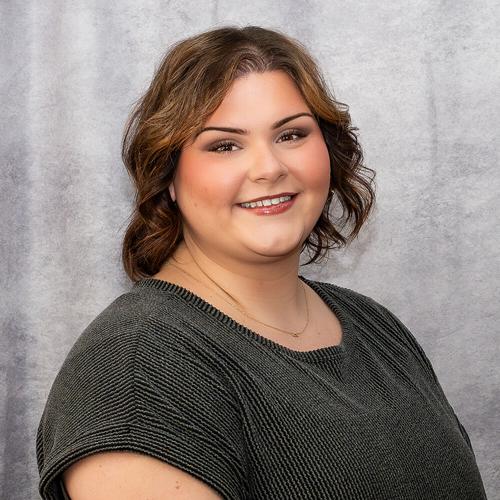
The 29-year-old Hillsboro woman received six nominations for the Women of Impact awards in connection with her work as the transportation coordinator for EZMO Transportation Program for Jefferson Franklin County Action Corporation (JFCAC).
The EZMO program provides free rides to healthcare appointments, specialty services, grocery store visits, community resource visits, and educational and employment opportunities and more.

Taylor Miller
Miller started the EZMO program three years ago after seeing firsthand the lack of public transportation options in Jefferson and Franklin Counties for individuals who don’t have access to personal vehicles while working in the housing department of the JFCAC.
“I was as a family self-sufficiency specialist through our HUD program. My job was to help people who had less than $10,000 in yearly income try to obtain substantial income over the course of five years in the HUD program, because the goal was to help them get to a point of self-sufficiency where they would no longer need that government aid to sustain housing,” Miller said.
She said the same barrier to success came up with almost every single client: they did not have transportation of their own.
“In Jefferson County, we don’t have a public transit system,” Miller said.
Miller said the transportation programs available were very pigeonholed to specific groups of people, such as those who are disabled or elderly. Those who lacked transportation due to low income were often left out in the cold.
“There just wasn’t an inclusive way for people to get transportation as a whole,” Miller said.
Miller said she advocated for a solution to this problem, a volunteer transit network, and was eventually given a starting fund to get the program off the ground. Miller was the program’s first driver. She said in EZMO’s first year, volunteers drove almost 650,000 miles just in Jefferson County. Year two was over a million miles. She said at the end of their last fiscal year, the program had over 600 unduplicated clients use the service.
Miller said this is possible through financial contributors and the volunteers who drive for the EZMO program.
“In the first year of the program, I went from having no drivers to 20 drivers. Then we went from 20 drivers to 50 drivers in year two. So it just shows that the community reflected the need that I saw in our everyday clientele,” Miller said. “Without those volunteers who are willing to give their time and the gas in their vehicle, then we couldn’t have a program like this.”
Miller said the number one type of ride for the EZMO program is for employment, helping individuals get to and from work. She said the program allows people to start saving money while working to eventually be able to purchase their own vehicle. Miller said she has even seen clients who used to use the free ride service become volunteers once they have their own vehicle.
Tina Leutzinger, who helped Miller to start the EZMO program, said she nominated Miller for her passion for helping low-income individuals.
“She started the program and was the first volunteer to help give rides before getting other volunteers to also provide rides. She was all over Jefferson and Franklin counties trying to get the word out for other volunteers to also provide rides,” Leutzinger said. “The program has been going for over a year now and she has provided countless low-income clients rides for free to doctor’s appointments, to go grocery shopping, to take service dogs to the vet and many other necessary appointments. Volunteers and clients love her for always being so nice and going the extra mile for them.”
Tasha Skouby, a coworker of Miller’s, said she nominated her for the significant impact she has made on the lives of many Jefferson County residents.
“Taylor has helped remove transportation barriers for low-income Jefferson County residents. Coordinating the fleet of volunteer drivers to help address the critical transportation access needed for Jefferson County to grow, she is an example of what servant leadership embodies,” Skouby said.
Shane Blankenship, a coworker, said he nominated Miller for continuing to strive for accomplishment in the face of challenges.
“She has kept this program afloat, finding ways to continue to diversify the individuals she can impact by providing this service,” said Blankenship. “She manages to keep on going despite the challenges of things such as not having the staff many people would believe is required.”
Miller said additional volunteer drivers are always needed.
For more information about getting a free EZMO ride, or to find out more about volunteering, call 877-743-3966 or visit www.jfcac.org/ezmo.