


A Russian court on Thursday handed life sentences to four gunmen from Tajikistan, and 11 others it said were their accomplices, for the 2024 Crocus concert hall attack that left 150 people dead.
The March 2024 shooting spree was claimed by Islamic State (IS) and was the deadliest jihadist attack in Russia in more than two decades.
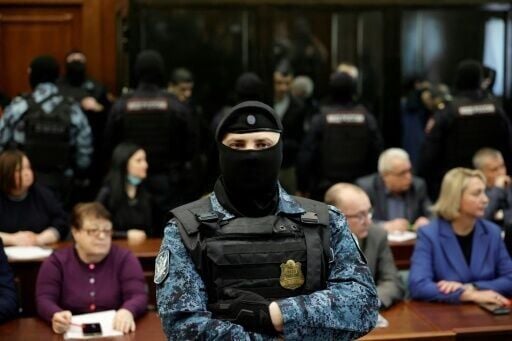
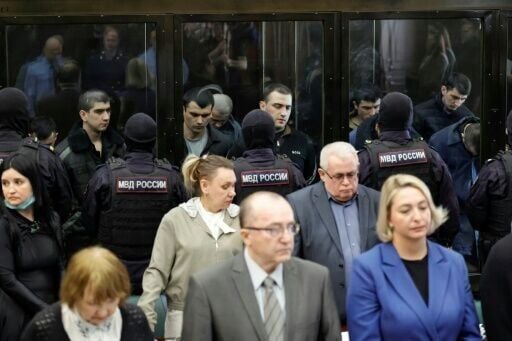
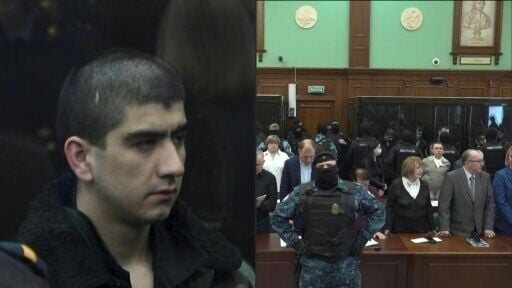
Relatives of some of the victims stood in the grand Moscow military court as the verdict was read out.
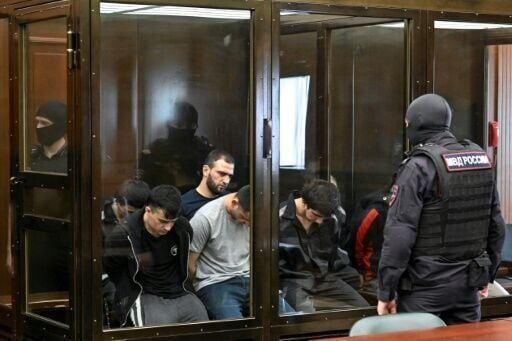
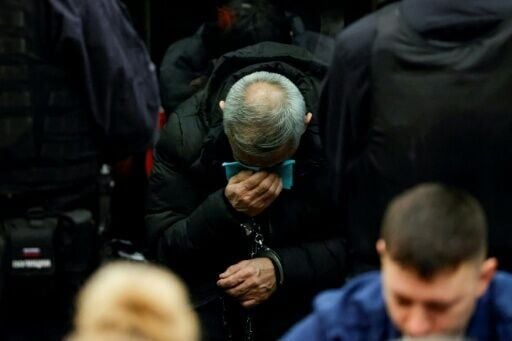
Shamsidin Fariduni, Dalerdzhon Mirzoyev, Makhammadsobir Fayzov and Saidakrami Rachabolizoda -- all Tajik citizens who went on a shooting spree in the building before setting it on fire -- looked down as the judge sentenced them to life.
Eleven other men -- some Russian citizens -- were also jailed for life for acting as accomplices and of having terrorist links.
Four more men -- including a father and his sons -- were handed sentences of between 19 and 22 years over their links with the attackers.
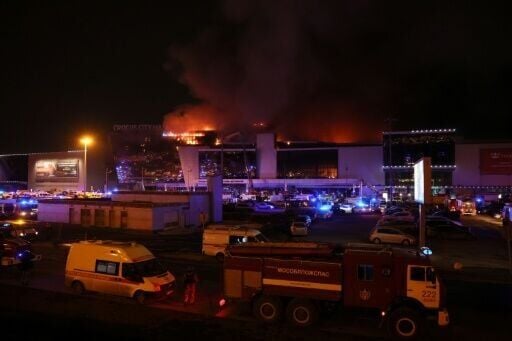
The gunmen entered the concert hall shortly before a show by Soviet-era rock band Picnic. They went on a shooting spree before setting fire to the building, trapping many victims. The attack wounded more than 600 people. Six children were among those killed.
Uliana Filippochkina, whose twin brother Grigory was killed in the attack, flew from Siberia's Novosibirsk for the verdict.
She said she was "satisfied" with the ruling and that she had looked the men who killed her twin in the eyes during their final statements in the trial.
"They didn't explain anything, they tried to escape responsibility, appealing to the fact that they had wives and children... That they were under the influence of drugs," she said.
- 'No remorse' -
"There was no sympathy or remorse whatsoever," she added.
Her brother went to the concert shortly before his 35th birthday. The family were only able to identify what was left of his body weeks later, burying his remains in Novosibirsk.
The verdict came ahead of the second anniversary of the killings.
"For us all it's like yesterday," Ivan Pomorin, who was filming the Crocus Hall concert at the time, told AFP.
Lawyers said some of the victims are still being treated for their wounds, while others have severe PTSD, unable to sleep, use public transport or be in crowded places.
The four gunmen -- aged 20 to 31 at the time -- worked in various professions, among them was a taxi driver, factory employee and construction worker.
They stood in the glass defendant's cage, surrounded by security guards.
According to media reports, Mirzoyev's brother was killed fighting in Syria, possibly leading to his radicalisation.
Hours after the attack, Russian police brought them to court with signs of torture -- including one barely conscious in a wheelchair.
- 'Redeem guilt with blood' -
The attack came two years into Moscow's war in Ukraine, with Russia -- bogged down by the offensive -- dismissing prior US warnings of an imminent attack.
The Kremlin had suggested a Ukrainian connection at the time of the attack, but never provided evidence.
Russia's Investigative Committee said after the verdict it was "reliably established" that the attack was "planned and committed in the interests of" Kyiv.
It accused the men of also plotting attacks in Dagestan.
TASS state news agency reported this month, citing a lawyer, that two of them -- Dzhabrail Aushyev and Khusein Medov -- had asked to be sent to fight in Ukraine instead of a life sentence.
Throughout its offensive, Russia has recruited prisoners for its military campaign, offering a buy-out from their sentences should they survive.
According to the lawyer quoted by TASS, Medov said he wanted to "redeem his guilt with blood."
- Anti-migrant turn -
Russia -- already undergoing a conservative social turn during the war -- upped anti-migrant laws and rhetoric after the attack.
This has led to tensions with Moscow's allies in Central Asia, some of whom have confronted Russia and called on it to respect the rights of their citizens.
Russia's economy has for years been heavily reliant on millions of Central Asian migrants.
But their flow to Russia dipped after Moscow launched its Ukraine campaign and some Central Asians also held back from going to Russia after the post-Crocus migrant crackdowns.
bur/db